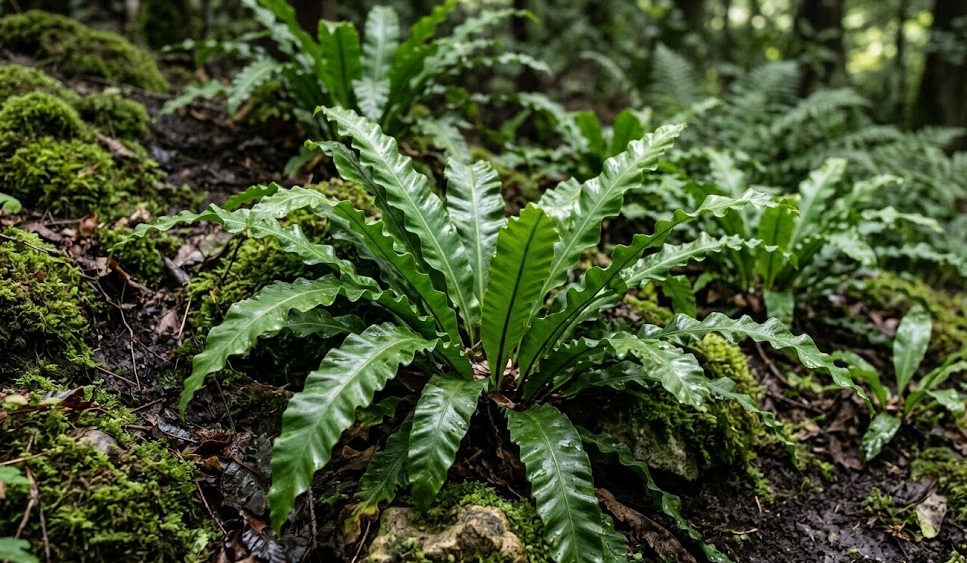

Protecting your hart’s tongue fern from diseases and pests is an essential part of maintaining a pristine and healthy garden collection. While these ferns are generally quite hardy and resistant to many common problems, they can still fall victim to specific issues if their environment is not ideal. You must be proactive in your monitoring and knowledgeable about the various threats that can compromise the integrity of the leathery fronds and delicate root systems. Understanding the signs of trouble and knowing how to respond quickly will help you preserve the beauty of your plants for the long term.
Managing common fungal issues
Fungal diseases are perhaps the most frequent health problem encountered by fern growers, often thriving in the same damp conditions the plants love. You should be particularly concerned about crown rot, which can occur if water is allowed to sit in the center of the plant for extended periods. This condition often manifests as a softening of the tissue at the base of the fronds, which eventually turn brown and pull away easily. Ensuring good air circulation and watering only the soil surface are the best ways to prevent this devastating issue from taking hold.
Leaf spot is another fungal concern that can mar the appearance of the glossy foliage with unsightly brown or black blotches. You will often see these spots appearing during periods of high humidity and poor ventilation, where spores can easily settle and germinate on the leaf surface. If you notice infected leaves, you should remove them immediately and dispose of them far away from your healthy plants to prevent the spread. Improving the airflow around your ferns and avoiding overhead watering will significantly reduce the risk of recurring leaf spot outbreaks.
Botrytis, or gray mold, can also affect ferns, especially in cool and very damp environments like unheated greenhouses in the autumn. You should look for a fuzzy, gray coating on the surface of the fronds or developing crosiers, which can cause the tissue to rapidly decay. Keeping your growing area clean and removing any fallen debris will help eliminate the places where these fungal spores like to hide and multiply. If the infection is severe, you may need to use a specialized fungicide designed for use on sensitive ornamental plants like ferns.
The key to managing all fungal issues is to focus on environmental control rather than relying solely on chemical treatments. You should strive to create a balance where the air is humid but moving, and the soil is moist but never stagnant or saturated. Regularly inspecting your plants for the first signs of discoloration or texture changes allows you to act before the fungus can spread to the entire collection. Healthy, well-sited ferns are naturally much more resistant to fungal attacks than those that are already stressed by poor growing conditions.
More articles on this topic
Identifying and controlling pests
Slugs and snails are the most common pests that you will encounter, as they are drawn to the cool, damp habitat where hart’s tongue ferns thrive. You should check your plants at night or early in the morning, which is when these nocturnal creatures are most active and likely to be feeding. They can cause significant damage in a very short time, leaving large, ragged holes in the beautiful fronds or even consuming young crosiers entirely. Using physical barriers like copper tape or environmentally friendly grit can help deter these unwanted visitors from reaching your plants.
Scale insects can sometimes be found on the undersides of the leaves, appearing as small, immobile bumps that may be brown, white, or translucent. You might notice a sticky substance called honeydew on the leaves or the floor beneath the plant, which is a byproduct of the insects feeding on the plant’s sap. These pests can weaken the fern over time and may even lead to the growth of sooty mold on the leaf surfaces. You can often remove small infestations by hand using a damp cloth or a cotton swab dipped in a very mild soap solution.
Vine weevil larvae are a particularly dangerous pest because they attack the root system and the rhizome hidden beneath the soil surface. You should be suspicious if a previously healthy fern suddenly wilts or turns yellow despite having adequate water and light. Because the damage happens underground, it is often quite advanced by the time it is noticed on the foliage above. Using biological controls like parasitic nematodes is an effective and environmentally responsible way to manage vine weevil populations in both garden beds and containers.
Aphids may occasionally appear on the soft, new growth of your ferns during the spring, causing the developing fronds to become distorted or stunted. You should look for small, green or black insects clustered around the tips of the uncurling crosiers and act quickly to prevent their numbers from exploding. A gentle spray of water can often knock them off the plant, or you can use a soap-based insecticide for more stubborn infestations. Regular monitoring of new growth ensures that these pests are caught and managed before they can cause lasting damage to the season’s foliage.
More articles on this topic
Preventing environmental disorders
Not all health problems in ferns are caused by external organisms; many are actually the result of environmental stress or physiological disorders. You should be aware that browning leaf tips are often a sign of low humidity or inconsistent watering rather than a disease or pest infestation. This “scorching” occurs when the plant cannot move water to the edges of the fronds quickly enough to replace what is lost to the air. Increasing the local humidity through misting or using a humidity tray is the most effective way to resolve this common aesthetic issue.
Edema is a condition that occurs when the plant’s roots take up more water than the leaves can transpire, leading to small, water-soaked blisters on the foliage. You will often see this during periods of cool, cloudy weather when the soil remains very wet but the air is humid and still. To correct this, you should reduce your watering frequency and improve the air circulation around the plant to help it balance its internal water levels. While the blisters themselves may remain, new growth will be healthy once the environmental conditions are brought back into alignment.
Nutrient toxicities can also cause symptoms that mimic diseases, such as unusual spotting or a general yellowing of the entire plant. You should be careful not to over-fertilize, as the buildup of salts in the soil can burn the sensitive roots and interfere with water uptake. If you suspect a nutrient issue, flushing the soil with plenty of clean water can help remove the excess minerals and allow the plant to reset. Always follow the manufacturer’s instructions carefully and err on the side of caution when providing supplemental nutrition to your ferns.
Sunscald is a physical injury that happens when the fern is exposed to direct sunlight for too long, especially during the hottest part of the day. You should look for bleached or papery patches on the leaves that are facing the light source, which indicates that the chlorophyll has been damaged by the intense UV rays. This is a permanent injury to the affected tissue, so the best course of action is to move the plant to a more shaded location immediately. Providing consistent, dappled light will prevent this problem and keep the foliage looking its best throughout the year.
Maintaining hygiene and sanitation
Good garden hygiene is your first line of defense against the introduction and spread of both diseases and pests among your ferns. You should always use clean, sterilized tools when pruning or dividing your plants to avoid transferring pathogens from one specimen to another. Wiping your shears with rubbing alcohol between plants is a simple but highly effective habit that can prevent many common horticultural headaches. This practice is particularly important if you are working with plants that show any signs of ill health.
Removing fallen leaves and other organic debris from around the base of your ferns is an essential task for preventing pest hiding spots and fungal outbreaks. You should make it a part of your regular maintenance routine to clear away any material that could trap moisture and encourage decay. This also allows you to more easily inspect the crown and soil surface for early signs of vine weevil activity or crown rot. A clean garden is naturally a healthier environment where your plants can thrive without unnecessary competition or stress.
When you bring a new plant home from a nursery or another gardener, it is a good idea to keep it isolated from your main collection for a few weeks. You should use this “quarantine” period to closely monitor the new arrival for any signs of pests or diseases that might have been hitching a ride. This simple precaution can save you a great deal of time and effort by preventing the introduction of a new problem into your established garden. Once you are sure the new fern is healthy, you can safely integrate it into its permanent location.
Managing the health of your soil is just as important as looking after the foliage when it comes to preventing long-term issues. You should avoid reusing potting soil from plants that have died, as it may contain dormant spores or pest larvae that could infect your new ferns. Adding fresh, high-quality organic matter each year helps maintain a diverse community of beneficial soil organisms that naturally suppress many common pathogens. A living, healthy soil provides the best possible foundation for a resilient and disease-free hart’s tongue fern.
Developing a monitoring strategy
Being a successful fern grower requires you to become a keen observer who can spot the smallest changes in the appearance and behavior of your plants. You should make it a habit to walk through your garden or check your indoor collection every day, paying close attention to any new developments. Early detection is almost always the key to successful management, as most problems are much easier to solve when they are caught in their initial stages. This daily connection with your plants is also one of the most rewarding aspects of the gardening hobby.
Keeping a garden journal can be an incredibly helpful tool for tracking the health of your ferns over multiple seasons and identifying recurring patterns. You should note down when you first see certain pests appearing or when environmental issues like leaf scorch tend to happen in your specific location. This information allows you to be proactive in the future, taking preventative measures before the problem has a chance to arise again. Over time, your journal will become a personalized guide to the unique needs and challenges of your own garden.
If you encounter a problem that you cannot identify, do not be afraid to seek help from more experienced gardeners or local horticultural experts. You can take clear photographs or even a small sample of the affected tissue to a nearby nursery or extension office for professional advice. Many online communities and forums are also excellent resources where you can share information and learn from the experiences of others. Tapping into this collective knowledge will help you become a more confident and effective caretaker for your hart’s tongue ferns.
Ultimately, the goal of your monitoring strategy is to foster a deeper understanding of the relationship between your plants and their environment. You should view every challenge as an opportunity to learn something new about the fascinating world of ferns and how they interact with the world around them. With patience, observation, and a proactive approach, you can successfully navigate any disease or pest issues that come your way. Your reward will be a thriving collection of beautiful, healthy ferns that bring joy and tranquility to your garden for many years to come.