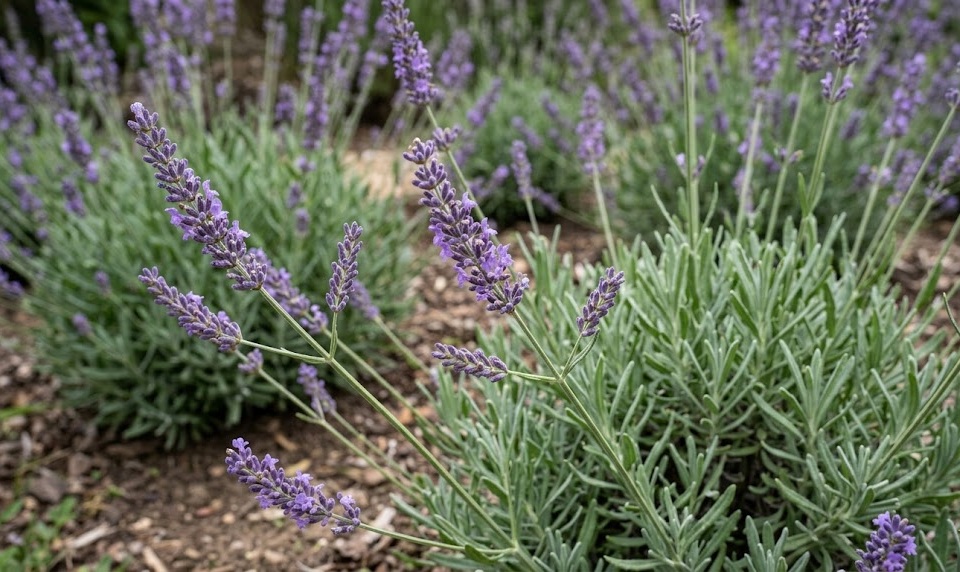

The cultivation of english lavender requires a deep understanding of its Mediterranean origins to ensure the plant thrives in various garden settings. Achieving a lush and fragrant display involves more than just basic planting; it necessitates a holistic approach to environmental management and plant health. Gardeners must focus on creating a balance between moisture, light, and soil structure to mimic the rocky hillsides where these plants naturally evolve. By paying close attention to the specific needs of the hybrid, one can enjoy a perennial that remains productive and aesthetically pleasing for many years.
Maintaining the structural integrity of the plant is a fundamental aspect of ongoing care throughout the growing season. Regular inspections for dead wood or signs of fungal growth help in preventing larger issues before they compromise the entire shrub. Growers should also be mindful of the surrounding vegetation to ensure that the lavender is not being crowded out by more aggressive species. Providing adequate space allows the plant to expand its root system and foliage without unnecessary competition for resources.
Soil health remains a cornerstone of successful lavender maintenance, particularly when dealing with heavier clay varieties. It is often necessary to amend the soil periodically to maintain the high porosity that these plants require for root respiration. Testing the acidity levels once a year can provide valuable insights into whether the lavender is receiving the correct chemical balance from its environment. Adding small amounts of lime can help stabilize the pH if the soil becomes too acidic over time due to organic decomposition.
Observing the seasonal transitions is crucial for adjusting maintenance routines as the weather shifts from the heat of summer to the cool of autumn. During the peak blooming period, the plant allocates significant energy to flower production, which may require slight shifts in how we monitor its hydration. Once the flowers fade, the focus should shift toward preparing the plant for its dormant phase by reducing inputs. Understanding these life cycles allows a gardener to work with the plant’s natural rhythm rather than against it.
Establishing the ideal drainage environment
Proper drainage is perhaps the most critical factor in the long-term survival of english lavender in any agricultural or home garden context. When the roots sit in stagnant water for even a short period, they become susceptible to pathogens that can quickly lead to systemic failure. Utilizing raised beds or mounds can provide a significant advantage in areas where the natural water table is high or the soil is naturally dense. Adding coarse grit or pea gravel to the planting hole further enhances the ability of water to move away from the sensitive root collar.
More articles on this topic
The physical structure of the growing medium should be loose enough to allow for rapid gas exchange and moisture movement. Compacted soil prevents oxygen from reaching the roots, which is just as damaging as overwatering the plant during the summer months. Incorporating volcanic rock or expanded clay pebbles can help maintain this structure over several seasons without breaking down too quickly. Professionals often recommend a mixture that feels gritty to the touch and does not form a solid ball when squeezed in the hand.
In regions with high rainfall, the management of surface water becomes a primary concern for those growing lavender on a larger scale. Implementing drainage tiles or sloping the landscape can direct excess precipitation away from the lavender rows to prevent localized flooding. It is also helpful to avoid using heavy organic mulches like wood chips, which tend to hold moisture against the stems and promote rot. Instead, light-colored stones or sand can reflect light back into the plant while keeping the base dry and clean.
Even with the best soil preparation, external factors like heavy foot traffic or machinery can lead to unwanted soil compaction around the plants. It is important to define clear pathways to ensure that the ground immediately adjacent to the root zone remains uncompressed and aerated. Aerating the soil manually with a garden fork can sometimes alleviate minor compaction, provided the tool does not damage the delicate feeder roots. Maintaining a “no-dig” zone around the established lavender helps preserve the complex network of roots and beneficial microbes.
Optimizing air circulation for foliage health
Airflow is an often overlooked component of lavender care that directly impacts the health of the foliage and the quality of the essential oils. In humid climates, stagnant air trapped within the dense canopy can create a microclimate that is perfect for the development of powdery mildew. Strategic spacing during the initial planting phase ensures that each plant has enough room for breezes to pass through its branches. Pruning the interior of the shrub can also help by removing thin or crossing branches that block the movement of fresh air.
More articles on this topic
When lavender is planted too closely to walls or solid fences, the lack of wind movement can lead to heat stress and moisture retention. Positioning the plants in open, sunny locations allows for natural evaporation of dew and rainwater from the leaf surfaces. This rapid drying is essential for preventing the germination of fungal spores that typically require a damp environment to colonize the plant. Gardeners should strive for a “breezy” garden layout where air can circulate freely from all directions.
In commercial lavender farming, the orientation of rows relative to the prevailing winds can significantly influence the overall health of the crop. Rows that run parallel to the wind direction facilitate better air penetration through the entire field, reducing the risk of widespread disease outbreaks. Weeding between the rows is also important, as tall weeds can obstruct airflow and compete for the same moving air that the lavender needs. Keeping the base of the plants clear of debris and lower foliage also contributes to a healthier, more ventilated environment.
For those growing lavender in containers, the placement of the pots is just as important as the soil mix used inside them. Moving pots away from stagnant corners and placing them on “pot feet” can improve air movement both around and beneath the container. This technique also helps the pot drain more effectively, further reducing the chances of humidity-related issues affecting the lower branches. In greenhouses, fans are often used to mimic natural wind, ensuring that the air remains in constant motion to protect the lavender.
Nutritional management and soil ph balance
English lavender is adapted to nutrient-poor soils and generally does not require heavy applications of nitrogen-based fertilizers. In fact, providing too much nutrition can result in excessive foliage growth at the expense of flower production and fragrance intensity. A light application of well-composted organic matter in the early spring is usually sufficient to support the plant throughout the year. The goal is to provide a slow release of minerals that supports steady, hardy growth rather than a rapid, weak surge of greenery.
Monitoring the pH of the soil is a professional practice that ensures the minerals already present in the ground are actually available to the plant. Lavender prefers a slightly alkaline to neutral environment, typically within the range of 6.5 to 7.5 on the pH scale. If the soil becomes too acidic, the plant may show signs of yellowing or stunted growth despite having adequate water and light. Regular testing allows for precise adjustments, such as adding crushed eggshells or dolomitic lime to raise the pH level as needed.
Micronutrients like magnesium and sulfur play a supporting role in the synthesis of the aromatic compounds that define the lavender experience. While these are usually present in most garden soils, a deficiency can lead to a loss of vigor and a muted scent in the flowers. Using a seaweed-based liquid feed once or twice during the early summer can provide these trace elements without over-loading the soil with macronutrients. It is best to apply any liquid supplements directly to the soil rather than the foliage to avoid burning the leaves.
The relationship between soil biology and lavender health is a complex one that thrives on minimal intervention. Beneficial mycorrhizal fungi often form a symbiotic relationship with the lavender roots, helping the plant to absorb water and phosphorus more efficiently. Avoiding the use of harsh chemical fungicides helps preserve these natural allies, leading to a more resilient and self-sufficient plant over time. A healthy soil ecosystem acts as a buffer against environmental stress, allowing the lavender to remain productive even during periods of drought.
Seasonal monitoring and stress response
As the seasons progress, the physical appearance of the english lavender serves as a reliable indicator of its overall well-being. During periods of extreme heat, the leaves may take on a slightly greyish or silvery hue as the plant produces more protective waxes. This is a natural defense mechanism designed to reflect sunlight and reduce the amount of moisture lost through transpiration. Observing these subtle changes allows the gardener to distinguish between normal environmental adaptation and actual signs of distress.
In the height of summer, it is important to check the plants during the coolest part of the day to get an accurate reading of their hydration. If the stems appear wilted in the morning, it is a clear sign that the soil moisture has dropped below a critical level for the plant. However, if the plant only wilts in the mid-afternoon sun and recovers by evening, it is likely just managing the heat and does not need immediate watering. This distinction is vital for avoiding the common mistake of overwatering in response to temporary heat-induced wilting.
The transition into autumn marks a period where the lavender begins to slow its metabolic processes in preparation for the colder months. During this time, any new growth should be discouraged, as soft green tissue is highly susceptible to frost damage. Reducing any remaining supplemental watering helps signal to the plant that it is time to harden off its stems and enter a dormant state. A well-timed observation of the first few frosts will reveal how well the lavender has prepared itself for the winter challenges ahead.
Spring brings a new set of observations as the plant wakes up from its winter slumber and begins to push out new green shoots. This is the ideal time to check for any winter die-back or damage caused by heavy snow loads on the branches. Removing any dead or broken wood immediately prevents pests from using these areas as entry points once the weather warms up. A healthy response to the increasing day length and rising temperatures is a sign that the previous year’s care was successful.
Longevity and the renewal of old shrubs
With proper care, english lavender can remain a productive part of the landscape for ten to fifteen years, though its appearance may change over time. As the plant ages, it naturally develops a woody base that can become quite thick and brittle if not managed through regular pruning. To maintain the aesthetic appeal and flower production, gardeners must balance the preservation of old wood with the encouragement of new growth. Understanding the limits of the plant’s regenerative capacity is key to deciding when to prune and when to replace.
When a lavender shrub becomes excessively leggy or split in the center, it often indicates that the maintenance routine has been too light in previous years. While it is difficult to rejuvenate a completely woody plant, a gradual approach over two or three seasons can sometimes restore some of its former glory. This involves selectively thinning out some of the older stems to allow light to reach the interior of the plant where dormant buds may still reside. However, one must be careful never to cut back into the bare wood where no green leaves are visible, as these areas rarely sprout again.
The eventual replacement of old lavender plants should be viewed as an opportunity to refresh the soil and introduce new genetics into the garden. If a particular specimen has performed exceptionally well, taking cuttings before the parent plant is removed ensures that its desirable traits are preserved. Rotating the planting site slightly can also help prevent the buildup of soil-borne pathogens that might target the same species over a long period. This proactive approach to garden cycles keeps the lavender display looking vibrant and youthful.
Creating a multi-generational lavender planting can provide a constant supply of flowers and a varied aesthetic across the garden. By planting new lavender every few years, the gardener ensures that there are always young, vigorous plants coming into their peak as the older ones begin to decline. This staggered approach also provides a more diverse habitat for pollinators who rely on the nectar throughout the late spring and summer. Ultimately, the longevity of a lavender garden depends on the gardener’s ability to plan for the future while caring for the present.
Integrated management for professional results
A professional approach to lavender care integrates all aspects of the environment, from the soil microbes to the local weather patterns. It requires a patient hand and a keen eye for the small details that differentiate a surviving plant from a thriving one. By avoiding the temptation to over-manage through excessive watering or feeding, the gardener allows the lavender to express its true Mediterranean character. This results in plants that are not only more beautiful but also more resistant to the vagaries of the climate.
Record-keeping is an invaluable tool for any serious gardener or lavender producer looking to refine their care techniques. Documenting the dates of the first blooms, the amount of rainfall, and the timing of pruning helps identify patterns that contribute to success. Over several years, these records become a customized manual for the specific microclimate of the garden, allowing for more precise interventions. It also helps in troubleshooting issues by providing a clear history of the plant’s environment and previous treatments.
The social and ecological impact of a well-maintained lavender garden extends far beyond the fence line of the property. Lavender is a magnet for bees, butterflies, and other beneficial insects that play a vital role in the health of the local ecosystem. By providing a chemical-free and nutrient-rich source of food, the lavender grower contributes to the biodiversity of their entire neighborhood. This ecological service is a rewarding byproduct of the dedicated care required to grow these beautiful plants.
Ultimately, the care of english lavender is a journey of partnership between the grower and the natural world. It challenges the individual to slow down and observe the subtle shifts in the landscape, fostering a deeper connection to the cycles of life. Whether grown for its fragrance, its oil, or its simple beauty, the rewards of a healthy lavender plant are well worth the effort. With the right foundation and consistent attention, this versatile hybrid will continue to be a cornerstone of the garden for years to come.

The key to successful English lavender is often found in the soil structure before you even plant. In my work with various Lavandula angustifolia cultivars, I’ve seen that they can tolerate a wide range of temperatures, but they will never thrive in heavy, poorly-aerated soil. Adding a bit of horticultural grit or sharp sand to the planting hole is a simple way to improve drainage and mimic their native Mediterranean environment. It’s also important to avoid any heavy mulching that can hold moisture against the stems. A thin layer of light-colored gravel is a much better option as it also reflects light back up into the plant.
I’ve also found that the gravel mulch has the added benefit of suppressing weeds without the risks associated with organic mulches. In our professional landscape projects, we almost always use a light-colored stone around lavender and other Mediterranean-style plants. It keeps the crown dry and provides that extra bit of solar energy through reflection, which the plants seem to love. It’s a small detail that really makes a difference in the health and longevity of the lavender. Thank you for pointing that out, Sophie!
Don’t underestimate the importance of air circulation, especially in more humid regions. Lavender that is crowded by other large perennials is much more likely to develop fungal issues like leaf spot or root rot. In my experience, it’s better to give them a bit of extra space and let the air move freely through the foliage. I also try to avoid planting them in low-lying areas where cold, damp air tends to settle in the autumn. A sunny, slightly elevated spot is always the best choice for these fragrant shrubs.
Regarding the pH of the soil, English lavender actually prefers a slightly alkaline environment. If your soil is naturally acidic, adding a bit of lime in the early spring can help improve the plant’s nutrient uptake and overall vigor. I’ve seen many lavender plants struggle in acidic soils, even when all the other conditions like light and drainage were met. A quick soil test is always a good idea before you invest in a large planting of lavender. It’s a simple step that can save you a lot of frustration and money in the long run.