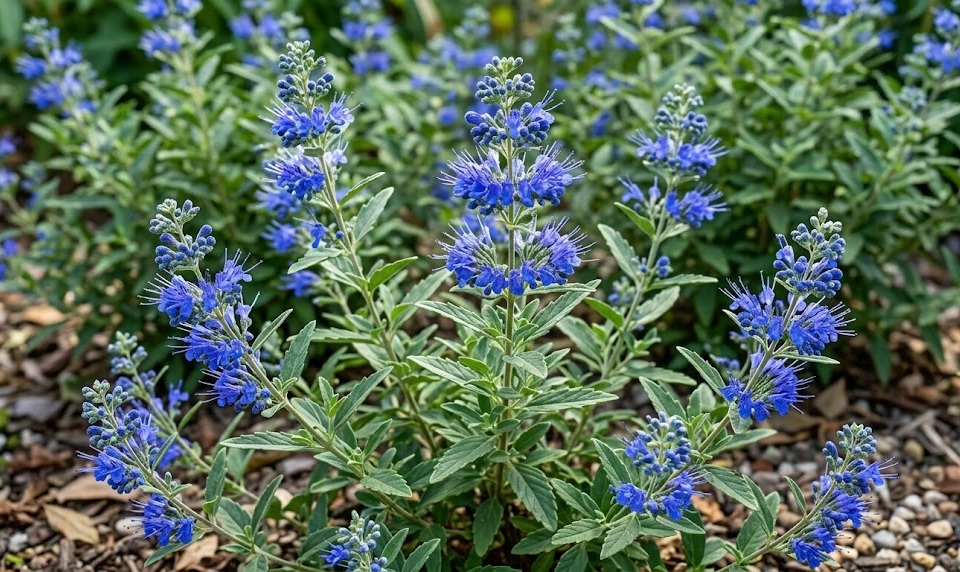

Managing the bluebeard requires a delicate balance between providing enough resources for its late-season bloom and ensuring the soil remains well-drained. This deciduous shrub is highly valued for its aromatic foliage and striking blue flowers that emerge when most other garden plants begin to fade. Success starts with understanding that this plant thrives on a degree of neglect once it has become established in the landscape. Experienced gardeners often find that the less they fuss over the plant, the more rewarding its performance becomes during the heat of August.
Understanding the growth habits of the shrub
The bluebeard typically reaches a height and width of about one meter, creating a rounded and compact silhouette in the garden. Its growth rate is relatively fast, meaning it can fill a designated space within just one or two growing seasons. You will notice that the stems are somewhat woody at the base but remain herbaceous and soft toward the tips. This unique structure influences how the plant responds to various weather patterns and physical maintenance routines throughout the year.
The leaves are a significant ornamental feature, often appearing in shades of grayish-green or even silver depending on the specific cultivar chosen. When crushed, the foliage releases a pleasant, spicy aroma that many compare to eucalyptus or mint. This fragrance is not just for human enjoyment; it also acts as a natural deterrent against many common garden herbivores. Observing the leaf texture and color can tell you a lot about the current hydration levels and overall health of the specimen.
Flowering usually begins in late summer and continues well into the autumn, providing a critical nectar source for pollinators. The blossoms are arranged in tight clusters along the upper portions of the new growth produced during the current season. You should expect to see a flurry of activity from bees and butterflies as soon as the first buds open. Maintaining the plant’s health ensures that these floral displays are dense and vibrant enough to stand out against the changing autumn landscape.
Growth consistency is often tied to the consistency of the surrounding environment and the absence of extreme competition from weeds. In a professional garden setting, keeping the base of the plant clear of invasive species allows the root system to expand without unnecessary stress. While the plant is hardy, it does appreciate a stable environment where it can focus its energy on flower production rather than survival. Regular monitoring of the stems will reveal any issues with overcrowding or lack of air circulation early on.
More articles on this topic
Soil quality and preparation for long-term health
Selecting the right soil composition is the most critical factor in ensuring your bluebeard lives a long and productive life. This species is notoriously sensitive to “wet feet,” meaning that heavy clay soils that retain moisture will likely cause the roots to rot. Ideally, you should aim for a sandy or loamy texture that allows water to pass through quickly after a rain event. If your garden has heavy soil, consider amending the area with organic matter or gravel to improve the internal drainage.
The pH level of the soil should ideally be neutral to slightly alkaline, although the plant is quite adaptable to various chemical profiles. You do not need highly fertile soil to achieve great results, as over-fertilization can actually lead to leggy and weak growth. A moderate amount of nutrients will support the plant without forcing it into a growth spurt that it cannot sustain structurally. Professional landscapers often suggest a baseline soil test before planting to understand the specific mineral needs of the site.
Microbial activity in the soil also plays a role in how well the shrub absorbs the available minerals and moisture. Incorporating a small amount of finished compost during the initial stages can help establish a healthy underground ecosystem. This organic component improves soil structure over time, making it easier for the delicate fibrous roots to penetrate deeper into the earth. Once the plant is established, the natural breakdown of its own fallen leaves can contribute to this cycle.
Drainage can also be improved by planting the shrub on a slight mound or a raised bed if the natural terrain is flat and prone to puddling. This elevation ensures that the crown of the plant remains above the saturation zone during heavy spring or autumn rains. You should observe how water moves across the site during a storm to identify any potential danger zones. Professional growers always prioritize site drainage over nutrient density when working with this particular genus.
More articles on this topic
Seasonal maintenance routines for optimal performance
Spring is the time for renewal and is when you should focus on structural pruning and cleaning the area around the base. As the soil warms up, you will see new shoots emerging from the lower portions of the stems or even from the crown. This is the perfect moment to remove any winter-killed wood that appears brittle or shows no signs of life. Keeping the area free of debris helps prevent fungal spores from overwintering and attacking the new, tender foliage.
During the height of summer, the primary goal is to monitor the plant for signs of extreme drought stress while avoiding overwatering. While the bluebeard is drought-tolerant, young plants or those in exceptionally sandy soil may need a supplemental drink during prolonged dry spells. You will see the leaves start to droop slightly if the plant is genuinely struggling for moisture. Applying a thin layer of mulch can help regulate soil temperature and keep the root zone cool during the hottest weeks of July.
As autumn approaches, the focus shifts to enjoying the bloom and preparing the plant for the upcoming dormant period. This is the peak season for visual interest, and very little manual intervention is required beyond occasional deadheading if desired. You should avoid any heavy fertilizing at this stage, as new growth stimulated now will not have time to harden off before the first frost. The plant naturally begins to slow its metabolic processes as the daylight hours shorten and temperatures drop.
Winter maintenance is mostly passive, involving the protection of the root system rather than the upper canopy. Since the plant often dies back to the ground in colder climates, the skeletal remains of the stems can be left to provide winter interest or bird habitat. Some gardeners prefer to leave the old stems until spring to provide an extra layer of insulation for the crown. In areas with heavy snowfall, the weight of the snow can sometimes break the brittle stems, so checking for damage after storms is advisable.
Encouraging a prolific and vibrant bloom
The secret to a spectacular floral display lies in the timing of your pruning and the amount of sunlight the plant receives. Because flowers only form on new wood, failing to cut the plant back in the spring will result in sparse blooming on an oversized, woody frame. By cutting the shrub back hard, you stimulate the production of numerous vigorous shoots that will all bear flower clusters. Professional horticulturists recommend leaving only a few inches of the previous year’s growth to maximize the floral potential.
Sunlight is the primary fuel for the bluebeard’s intense blue pigment and the abundance of its flower spikes. If the plant is situated in too much shade, the blossoms will be pale and the clusters will be much smaller. You should aim for a location that receives at least six to eight hours of direct light every day. This high light intensity also ensures that the stems remain sturdy enough to hold the weight of the flowers without flopping over.
Nutrient balance also affects the quality of the bloom, specifically the ratio of nitrogen to potassium and phosphorus. Too much nitrogen will produce lush green leaves at the expense of flowers, leading to a disappointing visual result. You should use a fertilizer that is slightly higher in phosphorus if you feel the plant needs a boost in its blooming capacity. However, in most garden soils, the natural mineral content is sufficient to produce an acceptable display without chemical intervention.
The health of the root system directly impacts the plant’s ability to sustain its flowers during the heat of late August. A deep and wide-reaching root network allows the plant to draw up enough water to keep the blossoms turgid and fresh. You can encourage this deep rooting by watering deeply but infrequently during the plant’s first two years in the garden. Once established, the bluebeard becomes a self-sufficient powerhouse that requires very little help to put on its annual show.
Managing space and preventing overcrowding
In a mixed border, the bluebeard needs enough space to allow for its natural rounded shape and to ensure adequate air circulation. If planted too close to other large shrubs, the lack of airflow can create a humid microclimate that encourages leaf diseases. You should aim for a spacing of about one to one and a half meters between the centers of each plant. This gap allows you to easily access the shrub for pruning and maintenance without stepping on other garden inhabitants.
Overcrowding also leads to competition for water and nutrients, which can stunt the growth of the bluebeard over time. When roots are forced to fight for space, the plant may become more susceptible to pests and environmental stressors. You should regularly monitor the perimeter of the shrub and trim back any neighboring plants that are encroaching on its territory. Keeping a clear zone of mulch around the base helps define the plant’s space and reduces root competition from weeds.
If you find that your bluebeard has grown too large for its assigned spot, it is better to prune it more aggressively than to move it. This species does not always transplant well once it has reached maturity due to its extensive root system. Hard pruning in the spring can keep the plant at a manageable size for many years without sacrificing its health. Professional gardeners often use the plant as a filler or a low hedge, where its size can be strictly controlled.
The architectural value of the bluebeard is best realized when it has the room to sway slightly in the breeze. Its stems are flexible, and watching them move adds a dynamic element to the garden that is lost if the plant is packed tightly. Proper spacing ensures that every angle of the shrub receives light, preventing the “bald spots” that occur when one side is shaded by a neighbor. Thinking about the mature size during the initial planting phase will save a lot of work in the future.
Handling environmental stressors and weather extremes
While the bluebeard is a resilient plant, it can be stressed by unseasonable weather patterns such as late spring frosts or extreme summer heatwaves. If a hard frost occurs after the new shoots have emerged in the spring, the tender tips may turn black and die. You should not panic, as the plant is usually capable of pushing out new growth from dormant buds lower down the stem. Simply wait for the weather to stabilize and then trim away the damaged portions to encourage fresh growth.
Extreme heat is usually handled well by the bluebeard, provided it has had time to establish its root system. However, in very high temperatures combined with dry winds, the plant may experience some leaf scorch or wilting. You can mitigate this by ensuring the plant is well-hydrated before a heatwave begins. Avoid watering the foliage during the middle of the day, as this can lead to temporary aesthetic damage or fungal issues.
Heavy rainfall over a short period is perhaps the greatest environmental threat to this dry-loving shrub. If the soil becomes waterlogged for more than a day or two, the roots may begin to suffocate and die. You can help by ensuring the surface of the soil is not compacted, allowing oxygen to reach the roots even after a heavy downpour. If you notice persistent puddling, it may be necessary to dig small drainage channels or relocate the plant to a higher spot.
Wind resistance is another strength of the bluebeard, making it suitable for open, exposed sites where other plants might struggle. The flexible stems give way to the wind rather than snapping, although very young plants may benefit from a bit of protection. If you live in a particularly windy area, planting the shrub near a fence or a larger windbreak can help prevent physical damage. Overall, the plant’s ability to bounce back from environmental challenges is one of its most appreciated characteristics.
Maintaining long-term vitality and plant longevity
To keep a bluebeard looking its best for a decade or more, you must commit to an annual cycle of renewal. Without regular pruning, the shrub will eventually become a tangled mass of woody, unproductive branches with very few flowers. By removing the old wood each year, you essentially keep the plant in a perpetual state of youth. This rejuvenation process ensures that the foliage remains dense and the flower production stays high throughout the plant’s lifespan.
Monitoring the soil health over the years is also important, as the nutrients can become depleted even for a plant with low requirements. A light top-dressing of compost every few years is usually all that is needed to maintain a healthy balance. You should avoid piling the compost or mulch directly against the woody stems to prevent bark rot. Keeping the soil structure open and porous is just as important in year ten as it was in year one.
Sometimes, an older plant may start to lose its vigor despite your best efforts at pruning and feeding. If the center of the shrub becomes thin or the flowers are significantly smaller, it might be time to consider replacing the specimen. Bluebeards are relatively short-lived compared to large woody trees, often reaching their peak between five and eight years of age. Having a plan for succession planting ensures that you always have a vibrant bluebeard presence in your landscape.
Finally, observing the interactions between the plant and the local ecosystem can provide clues about its long-term health. If you notice a decline in the number of pollinators visiting the plant, it could be a sign that the nectar quality has diminished due to stress. A healthy, thriving bluebeard should be a hub of activity every late summer and autumn. By paying attention to these small details, you can adjust your care routine and enjoy the beauty of this shrub for many seasons to come.
Caryopteris is one of those plants that truly rewards a “less is more” approach once it’s established. The mention of drainage in the article is the most critical point for anyone attempting to grow this in heavier soils. In my experience, most bluebeards that don’t survive the winter actually succumbed to rot during a wet autumn rather than the cold itself. I always plant mine on a slight mound if the soil isn’t naturally sandy or loamy. This ensures that water moves away from the crown during the dormant season.
I had never thought about planting them on a mound, but that makes so much sense given their Mediterranean-like needs. I lost two specimens last year during a particularly rainy November, and I suspect you are right about the root rot. Would adding a layer of gravel around the base also help with the drainage and keeping the crown dry? I really love the late-season blue color, so I’m determined to make it work this time. Thank you for the very helpful suggestion!
Regarding the aromatic foliage, I find that Caryopteris is an excellent choice for gardens with heavy deer or rabbit pressure. The scent, which I find quite pleasant and herbal, seems to be a major deterrent for most mammalian pests. It’s a great way to add structure and color to the late summer border without constantly worrying about protection. I’ve even used the stems in dried floral arrangements with some success. The foliage holds its color and scent remarkably well if harvested just before the flowers fully open.
One thing to watch out for is the nutritional requirements, which the article correctly identifies as being minimal. I’ve seen many people treat bluebeard like a traditional shrub and give it a heavy dose of nitrogen in the spring. This inevitably leads to weak, floppy growth and very few flowers. It really does thrive on a bit of neglect and lean soil conditions. If you feel you must fertilize, a light application of compost in the early spring is more than enough.