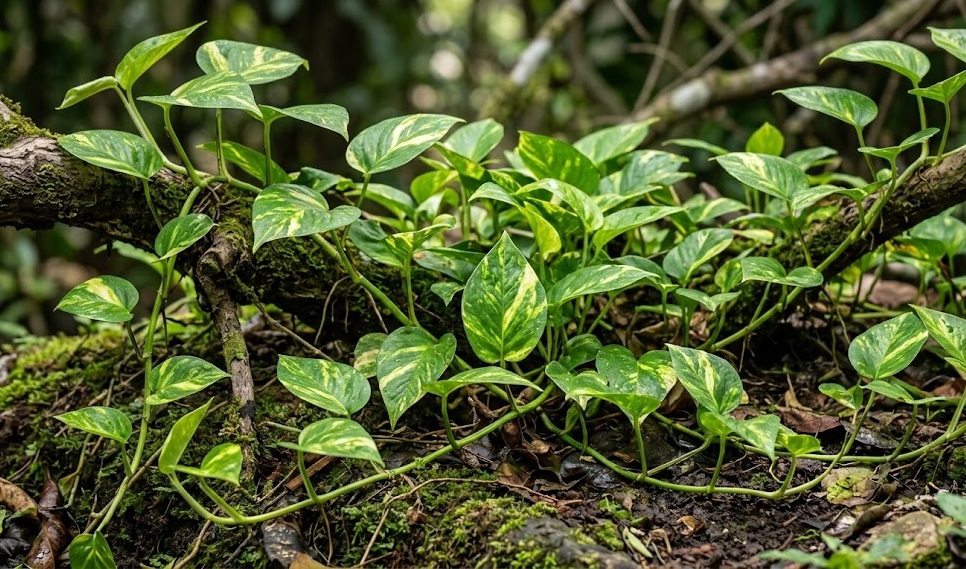

Maintaining a healthy golden pothos requires a proactive approach to identifying and managing the various biological threats that can affect indoor plants. While this species is known for its durability, it is not entirely immune to the invisible world of fungal spores and opportunistic insects. You should make it a regular habit to inspect both the tops and bottoms of the leaves during your weekly watering routine. Catching a problem in its earliest stages is always more effective than trying to save a plant that has been heavily compromised by a pest or disease.
Fungal infections are among the most common issues, often arising from environmental conditions that are too wet or lack proper air circulation. Root rot is a particularly insidious problem because it happens out of sight beneath the surface of the soil, often before you see symptoms on the foliage. If you notice a sudden wilting of the plant that does not improve after watering, it is a strong signal that the root system may be struggling. Taking swift action to dry out the soil or treat the roots can mean the difference between losing the plant and a successful recovery.
Bacterial leaf spot is another condition that can occasionally mar the beauty of your golden pothos, appearing as dark, water-soaked lesions with yellow halos. This disease is often spread through splashing water or by using contaminated tools when pruning your vines. To prevent the spread of bacteria, you should always sterilize your scissors with alcohol between cuts and avoid getting the foliage excessively wet when you water. Removing infected leaves immediately and improving the airflow around the plant will help stop the progression of the bacteria.
The overall health of your plant is its best defense against the onset of any disease or pest infestation. A well-fed and properly lit pothos has a much stronger immune response and can often outgrow minor issues before they become serious. You should view any pest or disease as a symptom that something in the plant’s environment might be slightly out of balance. By correcting the underlying cause while treating the immediate problem, you ensure a much more stable and long-lasting recovery for your favorite indoor vine.
Managing common fungal and bacterial issues
Root rot is primarily caused by a group of soil-borne fungi that thrive in anaerobic conditions created by overwatering and poor drainage. When the roots are deprived of oxygen, they begin to decay, providing a perfect entry point for these pathogens to invade the rest of the plant. If you suspect rot, you should carefully remove the plant from its pot and rinse the soil away to inspect the health of the roots. Any sections that are black, mushy, or have a foul odor must be trimmed away with sterile tools to prevent further contamination.
More articles on this topic
After cleaning the root system, repotting the plant into fresh, dry soil and a clean container is the most effective way to reset its environment. You might consider adding a bit more perlite or coarse sand to the new mix to ensure better drainage and aeration for the recovering roots. It is also helpful to use a copper-based fungicide or a diluted hydrogen peroxide solution as a drench to kill any remaining fungal spores. Patience is key during this recovery phase, as it may take several weeks for the plant to start producing new growth again.
Powdery mildew is a fungal disease that appears as a white, flour-like substance on the surface of the leaves and stems. While it is rarely fatal, it can significantly reduce the plant’s ability to photosynthesize and can make the foliage look dull and unattractive. This issue is often caused by a combination of high humidity and poor air circulation, which allows the spores to settle and grow on the leaves. You can treat powdery mildew with a simple spray made of water and baking soda or a commercial neem oil solution applied every few days.
Prevention is always the most professional strategy when it comes to managing the invisible threats of fungi and bacteria in your indoor garden. You should ensure that your plants are not crowded too closely together, which allows air to move freely between the vines and prevents moisture from being trapped. Using a small fan in your plant room can also help keep the air moving and create an environment that is less hospitable to fungal growth. These simple environmental adjustments go a long way in keeping your golden pothos looking its professional best throughout the year.
Dealing with sap-sucking insects and mites
Spider mites are among the most frequent pests you might encounter, often appearing as tiny moving dots on the underside of the leaves. These microscopic arachnids thrive in warm, dry conditions and can quickly drain the vitality from your plant by piercing the leaf cells. You will often notice a fine, silken webbing between the stems or a stippled, yellowish appearance on the foliage as the infestation grows. Increasing the humidity and giving the plant a thorough wash under a gentle stream of water is an excellent first step in controlling their population.
More articles on this topic
Mealybugs are another common adversary, easily identified by the white, cottony masses they create in the crevices of the stems and leaf nodes. These insects produce a sticky substance called “honeydew” as they feed, which can attract other pests and even lead to the growth of sooty mold. You can treat small numbers of mealybugs by dabbing them individually with a cotton swab dipped in rubbing alcohol, which dissolves their protective wax coating. For larger infestations, applying a systemic insecticide or a consistent regimen of insecticidal soap is usually necessary to break their life cycle.
Scale insects are particularly tricky because they often look like small, inanimate bumps on the stems rather than living creatures. They attach themselves firmly to the plant and build a hard, protective shell that makes them resistant to many topical sprays. You can manually scrape them off with a soft brush or your fingernail, making sure to check the entire length of the trailing vines. Following up with an oil-based spray can help smother any crawlers that are still looking for a place to settle and feed on the plant’s juices.
Regularly cleaning the leaves with a damp cloth is not only good for aesthetics but also serves as a frontline defense against these common pests. By removing the dust and potential eggs before they hatch, you significantly reduce the chances of a major outbreak occurring. If you do find pests, it is a good idea to isolate the affected plant from the rest of your collection to prevent the insects from spreading. Staying vigilant and acting quickly will keep your indoor jungle healthy and pest-free for the long term.
Advanced pest management and prevention
Thrips are tiny, slender insects that can be difficult to see with the naked eye but leave behind very distinct damage on the foliage. They feed by rasping the surface of the leaves, causing them to turn silver or gray with small black spots of excrement. Thrips can be particularly persistent because they spend part of their life cycle in the soil and can also fly between different plants in your home. Using blue or yellow sticky traps can help you monitor their presence and catch the adults before they can lay more eggs in the plant tissue.
Fungus gnats are more of a nuisance to the grower than a direct threat to a mature golden pothos, but their presence indicates that the soil is staying too wet. The adult gnats are often seen flying around the base of the plant, while their larvae live in the top layer of the soil and feed on organic matter. You can control them by allowing the soil to dry out more thoroughly between waterings and by using “mosquito bits” or a layer of sand on the surface. Reducing the moisture level in the soil is the most effective way to eliminate their breeding ground and keep your home gnat-free.
Integrated Pest Management (IPM) is a professional approach that combines biological, cultural, and chemical controls to manage pests in a sustainable way. This might include introducing beneficial insects, such as ladybugs or predatory mites, which naturally feed on the pests that plague your indoor plants. While this is more common in large-scale greenhouses, it can be adapted for home use to reduce the reliance on harsh chemical pesticides. Understanding the life cycles of both the pests and their natural enemies allows you to manage your indoor ecosystem with greater precision.
Regardless of the pest you are facing, it is important to be consistent with your treatment plan for several weeks after the last signs of insects disappear. Most pests have egg stages that are resistant to treatments, meaning that a second or third generation can appear just when you think you have won the battle. Following through with the full course of treatment ensures that you have completely eradicated the problem and prevents a quick re-infestation. Your persistence will be rewarded with a healthy, thriving plant that continues to bring beauty to your living space.
Environmental stability as a health shield
The physical environment where your golden pothos lives acts as its primary shield against the stresses that lead to disease and pest vulnerability. Sudden changes in temperature or light can weaken the plant’s natural defenses, making it much more susceptible to opportunistic pathogens. You should aim to provide a stable sanctuary for your vines, avoiding placement near exterior doors or drafty windows during the winter months. A plant that is comfortable in its surroundings will always be more resilient and require less intervention from you.
Watering practices are perhaps the most influential factor you can control to prevent the onset of fungal and bacterial issues. By allowing the soil to dry appropriately and ensuring the pot has excellent drainage, you create an environment where harmful fungi struggle to survive. It is also worth considering the time of day you water; doing so in the morning allows the foliage to dry quickly before evening, reducing the risk of leaf spot. These small shifts in your routine can have a profound impact on the overall health and safety of your plant collection.
Quality control when bringing new plants into your home is another essential professional habit that prevents many headaches down the road. You should always quarantine a new purchase for at least two weeks, keeping it in a separate room away from your established plants. This gives you time to observe any hidden pests or diseases that might have been present in the nursery or garden center. Taking this extra precaution protects the time and effort you have invested in your existing indoor garden and ensures a smooth transition for the new arrival.
Ultimately, being a successful plant owner is about developing a relationship of observation and care with your greenery. You will learn to recognize the subtle changes in leaf color or stem strength that indicate something is wrong long before it becomes a crisis. By applying these expert techniques for managing diseases and pests, you can enjoy the lush beauty of your golden pothos with confidence. Your dedication to a healthy environment will ensure that your home remains a vibrant and thriving oasis of green life.