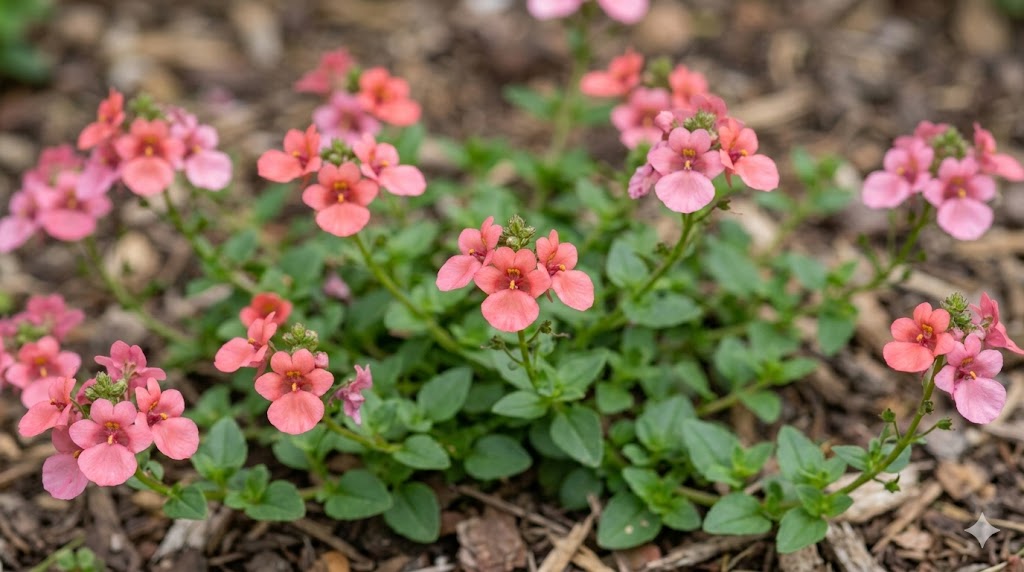

Establishing a vibrant and healthy foundation for these delicate flowers begins with a precise planting strategy and an understanding of how to multiply your stock effectively. Whether you are starting with nursery-bought specimens or attempting to grow your own from scratch, the initial steps you take will dictate the success of the entire growing season. These plants respond exceptionally well to proper handling and a nurturing environment during their early stages of development. This article provides professional insights into the technical aspects of getting your garden started with this versatile species.
Selecting the perfect site
The first step in a successful planting project is identifying a location that meets the biological requirements of the plant while fitting into your landscape design. Sunlight is the most critical factor, as these plants generally require at least six hours of direct exposure to produce their signature carpet of flowers. However, in regions with particularly intense summer heat, a spot that receives morning sun and late afternoon shade is often the most beneficial. This balance prevents the soil from drying out too quickly and protects the delicate petals from scorching.
Soil quality at the chosen site must be assessed to ensure it provides the necessary drainage and nutrient profile. These plants despise “wet feet,” so avoid low-lying areas of the garden where water tends to collect after a heavy rainfall. If your soil is naturally heavy in clay, you should consider planting in raised beds or incorporating significant amounts of organic matter to improve the structure. The goal is to create a medium that is rich enough to support growth but porous enough to allow excess water to escape freely.
Wind exposure is another environmental factor that can influence the health and appearance of your display. While a gentle breeze is helpful for maintaining airflow and reducing disease risk, strong or persistent winds can dry out the foliage and snap the brittle stems. Choosing a site that is somewhat sheltered by a wall, fence, or larger shrubs can provide the necessary protection without compromising light levels. This consideration is especially important for trailing varieties that are more exposed to the elements.
Lastly, think about the accessibility of the site for regular maintenance tasks such as watering and deadheading. Placing your plants in a location that is easy to reach ensures that you will be more likely to provide the consistent care they require to thrive. Whether it is a patio container near the back door or a prominent border in the front yard, the site should allow you to enjoy the beauty of the plants while making their upkeep a simple part of your routine. Proper site selection is the first and most important decision you will make in the planting process.
More articles on this topic
Planting techniques and spacing
Once you have selected the ideal location and prepared the soil, the actual process of planting requires careful handling to avoid damaging the sensitive root systems. Start by digging a hole that is slightly wider than the current root ball but no deeper than the container the plant is currently in. Planting too deeply can lead to stem rot, as the base of the plant is not designed to be submerged in soil. Gently tease the roots if they have become circled around the pot, as this encourages them to grow outward into the new environment.
Spacing is a critical technical detail that often gets overlooked in the excitement of creating an instant floral display. For most common varieties, a distance of about twenty-five to thirty centimeters between each plant is recommended to allow for their natural spread. While they may look a bit sparse initially, they will quickly fill in the gaps as they mature, creating a lush and seamless appearance. Providing this space ensures that each individual has access to enough light and air, reducing the competition for resources.
After placing the plant in the hole, backfill with the amended soil and firm it gently around the base with your hands. Avoid tamping the soil down too hard with your feet, as this can compress the air pockets that are vital for root health. The soil level should be flush with the surrounding ground or just slightly mounded to encourage water to run away from the main stem. A thorough watering immediately after planting is essential to settle the soil and eliminate any large air pockets that could dry out the roots.
Applying a thin layer of organic mulch around the plants can provide several benefits during the establishment phase. Mulch helps to regulate soil temperature, suppress weed growth, and retain moisture, all of which reduce the stress on the new transplant. Be careful to keep the mulch a few centimeters away from the base of the stems to prevent moisture-trapping against the bark. With these techniques, your plants will have the best possible start and will begin to show signs of new growth within just a few weeks.
More articles on this topic
Propagation by stem cuttings
One of the most rewarding ways to expand your collection is through the use of stem cuttings, which allows you to create clones of your favorite varieties. This process is best performed in the late summer or early autumn when the plant is still vigorously growing but the heat of the season has begun to subside. Choose healthy, non-flowering shoots that are about ten centimeters long, as these contain the highest concentration of growth hormones. Using a sharp, sterilized knife or scissors, make a clean cut just below a leaf node to maximize the chances of success.
Preparing the cutting involves removing the lower leaves so that at least half of the stem is bare and ready to be inserted into a rooting medium. If there are any flower buds on the cutting, remove them as well, as you want the plant’s energy to be focused on developing roots rather than flowers. Some gardeners prefer to dip the cut end into a rooting hormone powder to speed up the process, although this is not strictly necessary for this particular species. The key is to work quickly so the cutting does not wilt before it is placed in its new environment.
The rooting medium should be a lightweight and sterile mix, such as a combination of perlite and peat moss or a dedicated seed-starting compost. Insert the cuttings into the mix, ensuring that at least one or two nodes are buried beneath the surface. Firm the medium gently around the stems and provide a light misting of water to settle everything into place. Keeping the cuttings in a warm, bright location out of direct sunlight will provide the ideal conditions for new roots to form over the next two to four weeks.
To maintain high humidity around the cuttings, you can cover the tray with a clear plastic dome or a simple plastic bag supported by stakes. Be sure to provide some ventilation every day to prevent the buildup of mold or fungus. Once you see new leaf growth and feel resistance when gently tugging on the cutting, you know that a functional root system has developed. At this point, the young plants can be gradually acclimated to normal garden conditions before being moved into their own individual pots.
Growing from seed successfully
While propagation from cuttings is faster, growing these plants from seed offers the opportunity to explore a wider range of colors and forms. Seeds should be sown indoors about eight to ten weeks before the last expected frost date in your area to give them a head start on the season. Use a fine-textured seed-starting mix and scatter the tiny seeds over the surface, pressing them down lightly to ensure good contact. Do not cover the seeds with soil, as they require light to trigger the germination process successfully.
Maintaining a consistent temperature of around eighteen to twenty-one degrees Celsius is optimal for germination, which usually occurs within two weeks. A heat mat can be a helpful tool if your indoor environment is on the cooler side, as it provides steady warmth to the bottom of the tray. Keep the surface of the soil consistently moist by using a fine spray bottle, being careful not to wash away the tiny seeds. Once the first green sprouts appear, move the tray to a very bright location, such as a south-facing windowsill or under grow lights.
As the seedlings grow, they will develop their first set of “true” leaves, at which point they can be thinned out to prevent overcrowding. If you have sown them in a common tray, this is the time to gently prick them out and move them into individual cells or small pots. Handle the young plants by their leaves rather than their stems, as the stems are incredibly fragile and easily crushed at this stage. Providing a weak solution of liquid fertilizer every two weeks will help support their rapid growth during this period.
The final step in the seed-starting process is the “hardening off” phase, where the plants are gradually introduced to the outdoor environment. Start by placing them in a sheltered, shady spot for a few hours each day, slowly increasing their exposure to sun and wind over the course of a week. This process toughens up the plant tissues and prevents the shock that can occur if they are moved directly from a controlled indoor space to the garden. By the time the weather is consistently warm, your home-grown plants will be ready to take their place in the landscape.