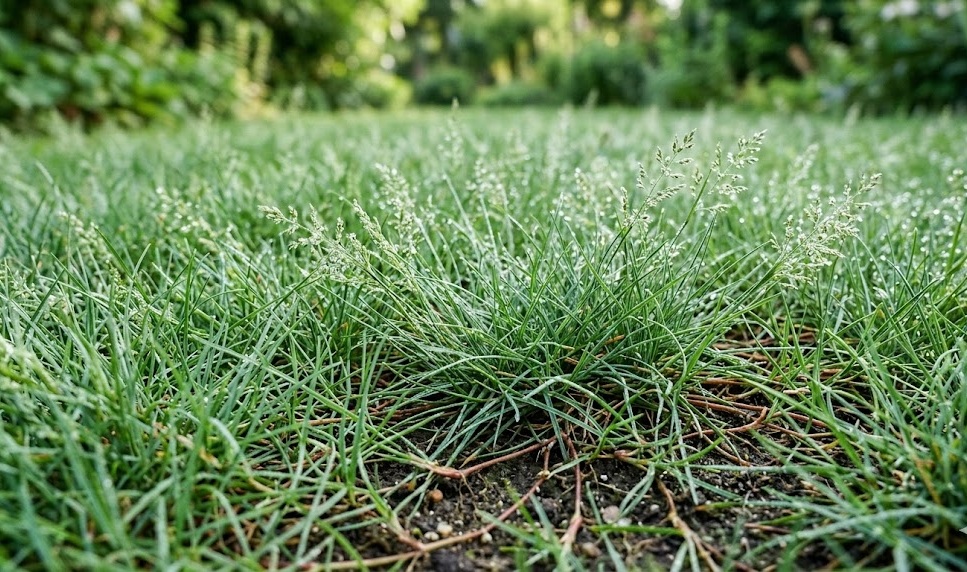

The dense canopy and high-moisture requirements of creeping bentgrass make it a prime target for a wide variety of pathogens and insects. Because this grass is often maintained at very low heights, it lives on the edge of physiological stress, leaving it vulnerable to attack. A professional management strategy must focus on prevention, early detection, and the targeted use of control measures. Protecting the investment in your turf requires constant vigilance and a deep understanding of the life cycles of its most common enemies.
Common fungal pathogens and their management
Dollar spot is perhaps the most frequent disease issue for creeping bentgrass, characterized by small, bleached spots on the turf. This fungus thrives in conditions of high humidity and low nitrogen levels, making it a constant threat during the growing season. You can minimize its impact by maintaining adequate fertility and removing morning dew through brushing or early irrigation. If the pressure becomes too high, targeted fungicide applications may be necessary to prevent widespread scarring.
Brown patch is another significant threat, especially during the hot and humid periods of mid-summer. It appears as large, circular patches of thinning, brownish grass that can expand rapidly if left unchecked. You should avoid applying high levels of nitrogen during the summer, as succulent growth is more susceptible to this pathogen. Improving air circulation by thinning out surrounding trees and shrubs can also help reduce the humidity at the turf surface.
Pythium blight is a devastating disease that can destroy large areas of bentgrass in just a few hours under the right conditions. It thrives in stagnant, waterlogged soils during periods of high temperature and extreme humidity. You must ensure that your drainage systems are functioning perfectly and avoid any watering late in the day that leaves the canopy wet overnight. This is one of the few diseases where a preventative fungicide program is often considered essential during high-risk periods.
Snow molds, including both pink and gray varieties, attack the grass during the dormant winter months under snow cover. These fungi thrive in the cool, moist environment created by melting snow and can cause significant damage before the spring thaw. You should perform a final preventative application in late autumn and avoid leaving long grass or heavy leaf litter on the surface. Promoting a dry surface as the snow melts helps the grass recover more quickly in the spring.
More articles on this topic
Environmental stress and physiological disorders
Heat stress is a major factor that predisposes creeping bentgrass to many other health problems. When temperatures exceed the optimal range, the plant’s metabolic processes slow down, and it begins to consume its stored carbohydrates. You can help mitigate this by using fans to improve airflow and misting the canopy to provide evaporative cooling. Keeping the grass as healthy as possible through the spring ensures it has the reserves needed to survive the summer heat.
Localized dry spots (LDS) occur when the soil becomes hydrophobic, preventing water from penetrating the root zone even with heavy irrigation. This often happens in areas with high sand content or excessive thatch buildup. You should use specialized wetting agents to break the surface tension and allow water to move freely into the soil. Regular aeration and topdressing also help prevent the conditions that lead to the development of these dry areas.
Scalping occurs when the mower cuts too low into the crown of the grass, often due to uneven terrain or soft soil. This physical damage removes the photosynthetic tissue and exposes the sensitive crown to heat and pathogens. You must ensure that your mowing equipment is properly adjusted and that the ground is firm enough to support the weight of the machines. Correcting any depressions in the surface through topdressing is the best long-term solution for preventing scalping.
Algae and moss can become major competitors in areas that are shaded, damp, and have poor air movement. These organisms form a dense mat on the soil surface that blocks oxygen and prevents the grass from spreading. You should address the underlying causes by improving drainage, increasing light levels, and reducing the frequency of irrigation. Physical removal followed by a light topdressing can help the bentgrass reclaim the area once the environment has been improved.
More articles on this topic
Integrated pest management of insects
Cutworms and sod webworms are common caterpillar pests that feed on the leaves and stems of the grass. They are most active at night and can cause significant thinning of the canopy in a very short time. You can monitor their presence by using a soap-flush technique, which forces the larvae to the surface for identification. Biological controls, such as beneficial nematodes or specific bacteria, are often very effective at managing these populations without harsh chemicals.
Grubs, the larvae of various beetles, feed on the roots of the grass, causing it to wilt and die in large patches. Because the damage happens underground, it is often not noticed until the turf can be easily lifted like a piece of carpet. You should monitor the soil for grub activity in late summer and early autumn when the larvae are young and most vulnerable. Maintaining a healthy, deep-rooted turf allows the grass to withstand a moderate level of grub activity without showing visible damage.
Black turfgrass ataenius is a small beetle that can be particularly destructive to high-end bentgrass areas. The larvae feed on the roots, and their small size makes them difficult to detect until the damage is severe. You should keep a close eye on high-stress areas like the edges of greens or south-facing slopes. Proper irrigation and fertilization help the grass recover from minor feeding, but large infestations may require a targeted intervention.
Chinch bugs are tiny insects that suck the sap from the grass blades while injecting a toxin that kills the tissue. Their damage often looks like drought stress, appearing as yellow or brown patches that do not respond to watering. You can check for them by using a metal cylinder pushed into the soil and filled with water, which causes the bugs to float to the top. Keeping the thatch layer under control is one of the best ways to reduce the habitat available for these pests.
Cultural practices for disease prevention
Maintaining the correct soil pH is one of the simplest and most effective ways to reduce disease pressure. Most fungal pathogens have an optimal pH range, and keeping your soil outside of that range can significantly slow their growth. You should base your lime or sulfur applications on regular soil tests to ensure you are not creating an environment that favors disease. A balanced chemical environment supports the plant’s own natural defense mechanisms.
Proper water management is the single most important cultural tool for disease prevention. Fungal spores require moisture to germinate and infect the plant tissue, so keeping the leaf surface dry as much as possible is critical. You should irrigate early in the morning so the sun can dry the grass quickly, and avoid any unnecessary watering during humid weather. Using fans or removing wind barriers can also help keep the canopy dry and less hospitable to fungi.
Mowing practices also play a role in the health and disease resistance of the turf. Using sharp blades ensures clean cuts that heal quickly, while dull blades create jagged wounds that are easy entry points for pathogens. You should also vary your mowing pattern to prevent soil compaction and physical stress on the grass. Removing clippings in areas with high disease pressure can help prevent the spread of spores across the entire lawn.
Thatch management is essential because many pests and diseases spend part of their life cycle in this organic layer. By keeping the thatch at a manageable depth through verticutting and topdressing, you remove the habitat and food source for many enemies. A lean, firm turf with minimal organic buildup is naturally more resistant to both insects and fungi. Consistency in these basic cultural practices is the foundation of a professional integrated pest management program.
Professional application of control measures
When cultural practices are not enough, you may need to use professional-grade fungicides or insecticides to protect the turf. You should always choose products that are specifically labeled for use on creeping bentgrass and follow the application rates exactly. Rotating between different classes of chemicals is vital to prevent the development of resistance in pest populations. A well-planned “preventative” program is often more effective and uses less total chemical than trying to “cure” a major outbreak.
Calibration of your application equipment is a technical task that cannot be overlooked. Even a small error in the amount of product applied can lead to either poor control or phytotoxicity that damages the grass. You should regularly check your nozzles, pressure settings, and ground speed to ensure a uniform and accurate application. Using GPS-guided sprayers can further improve precision and reduce the risk of over-application or missed spots.
Safety and environmental protection must be top priorities whenever you are using chemicals on the landscape. You should always wear the appropriate personal protective equipment and avoid applications when wind or rain could cause the product to move off-site. Keeping detailed records of every application helps you track the effectiveness of different products and comply with local regulations. Being a responsible steward of the environment is part of being a professional turf manager.
The ultimate goal of a pest and disease management program is to support the long-term health and resilience of the bentgrass. You should view every intervention as part of a larger strategy to create a stable and balanced ecosystem. By focusing on the health of the soil and the plant first, you reduce the need for emergency treatments and ensure a more sustainable future for your turf. A truly expert manager understands that a healthy lawn is its own best defense.