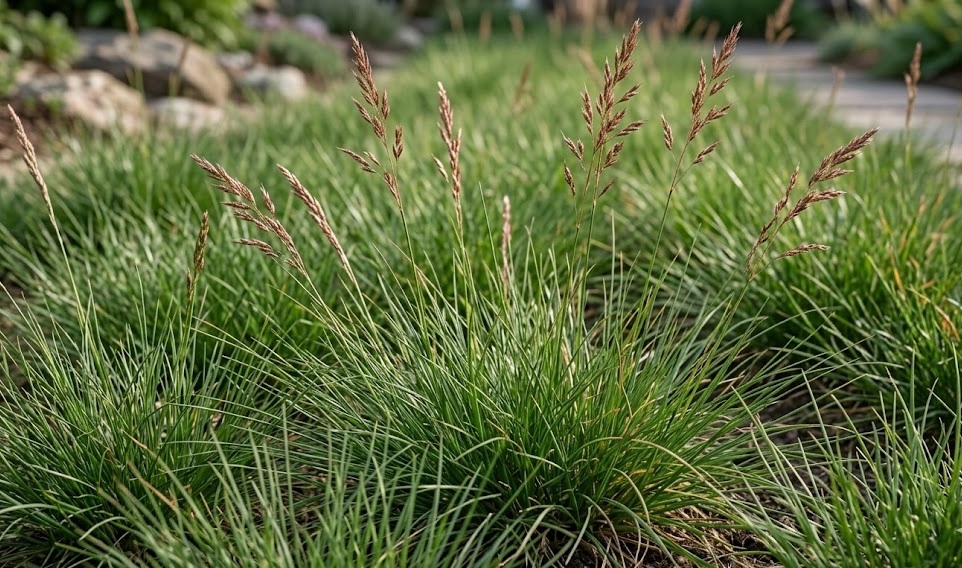

Red fescue is renowned in the world of horticulture for its exceptional ability to thrive in low-light environments. This characteristic makes it the preferred choice for gardeners who struggle with shade from buildings, trees, or fences. However, “shade-tolerant” does not mean the grass can grow in total darkness; it still has specific physiological needs. Understanding the nuances of its light requirements is essential for maintaining a dense and healthy lawn in a variety of settings.
All plants require light for photosynthesis, the process by which they create the energy needed for growth and survival. Red fescue has adapted to use the available light more efficiently than most other turf species, allowing it to maintain its green color with less exposure. You must balance the amount of shade with other environmental factors like moisture and competition for nutrients. A professional gardener knows how to manipulate the light environment to get the best results from this resilient grass.
The quality of light is just as important as the quantity when it comes to the health of your fescue. Filtered light through a tree canopy is very different from the deep shade found on the north side of a tall structure. You should observe how the sun moves across your property at different times of the year to understand the challenges your lawn faces. This knowledge allows you to tailor your maintenance practices to the specific lighting conditions of each area.
While it excels in the shade, red fescue can also perform well in full sun if it is provided with adequate moisture. This versatility is one of its greatest strengths, allowing for a uniform look across a landscape with varying light levels. You must be prepared to adjust your care routine as you move from the sunny parts of your garden to the shaded ones. Mastery of these transitions is a sign of a high level of professional expertise in turf management.
The unique shade tolerance of the species
The biological secret to red fescue’s shade tolerance lies in its fine, thin leaf blades which provide a large surface area for light absorption. These delicate needles are designed to capture every possible photon while minimizing the plant’s overall energy requirements. This evolutionary advantage allows it to stay green and active in light levels that would cause other grasses to wither and die. You should appreciate this design as a masterpiece of natural engineering for the understory environment.
More articles on this topic
In shaded areas, the grass will naturally grow a bit taller and thinner as it reaches toward the available light source. You can support this growth by raising your mowing height in the shaded sections of your lawn to leave more leaf surface for photosynthesis. Cutting the grass too short in the shade is a common mistake that quickly leads to thinning and eventual loss of the turf. Respecting the plant’s need for more leaf area in low light is a fundamental rule of care.
Shade also changes the microclimate by reducing the rate of evaporation and keeping the soil surface cooler. This can be a benefit during the hot summer months, but it also increases the risk of fungal diseases if moisture is not managed correctly. You should be careful not to overwater the shaded parts of your lawn, as they simply do not need as much supplemental hydration. Monitoring the soil moisture personally is the only way to ensure the perfect balance is maintained.
When we talk about shade tolerance, we are usually referring to a requirement of at least four hours of filtered sunlight or bright indirect light per day. If an area receives less than this, even red fescue may struggle to maintain a dense carpet and may eventually become patchy. In such extreme cases, you might consider alternative groundcovers or landscaping features like mulch or gravel. Knowing the limits of your plants is just as important as knowing their strengths.
Impact of direct sunlight on turf density
While red fescue loves the shade, it can become incredibly dense and lush when grown in areas with more direct sun exposure. In full sun, the plant produces more tillers and spreads more aggressively through its rhizomes, creating a very tight knit. This density is excellent for resisting weeds and providing a soft, carpet-like feel underfoot. You should take advantage of this vigor in the open areas of your garden to create a focal point of high-quality turf.
More articles on this topic
In sunnier locations, the water needs of the grass will be significantly higher than in the shaded parts of the yard. The direct heat increases the rate of transpiration, requiring the roots to pull more moisture from the soil to keep the plant cool. You must adjust your irrigation system to deliver more water to these exposed areas while keeping the shaded spots on a leaner schedule. A professional irrigation plan always accounts for these dramatic differences in light and heat.
Sunlight also influences the nutrient uptake and the overall metabolic rate of the grass. In high-light environments, the fescue can utilize more fertilizer to support its faster growth and higher density. You might find that the sunny parts of your lawn require slightly more frequent feeding to maintain their deep green color. Keeping a close eye on the color and growth rate will tell you when the plants in the sun need a little extra help.
Excessive heat combined with intense direct sunlight can sometimes cause red fescue to go into a temporary state of dormancy. This is a protective measure to prevent the plant from drying out completely during the peak of summer. You can mitigate this by providing deep watering during the coolest part of the day and avoiding any unnecessary stress on the plants. Understanding this seasonal cycle helps you avoid panicking when the grass changes its appearance in response to the sun.
Adapting garden design to light availability
Professional landscaping involves placing the right plant in the right place to ensure long-term success with minimal intervention. You should use red fescue as the primary component in your seed mix for any areas that receive significant shade throughout the day. Combining it with other species like Kentucky bluegrass in sunny areas creates a blend that can adapt to the shifting light of a maturing garden. This “safety in diversity” approach ensures that your lawn remains green even as trees grow and cast longer shadows.
Tree management is a critical part of maintaining the light levels required for a healthy fescue lawn. You should consider “crown lifting” or thinning the branches of large trees to allow more dappled sunlight to reach the ground below. This practice not only benefits the grass but also improves the health of the trees by increasing air circulation within their canopy. It is a win-win strategy for any gardener who values both their trees and their turf.
Buildings and fences also create permanent shadows that must be factored into your lawn care and design decisions. You should be aware of how these shadows change with the seasons, as the winter sun is much lower in the sky than the summer sun. An area that is sunny in July might be in deep shade for most of the day in October. Observing these patterns allows you to predict where the grass might need extra care or a different maintenance approach.
If you are dealing with an area of “deep shade” where no grass seems to thrive, you should be honest about the limitations of nature. Sometimes the best professional advice is to replace the failing turf with shade-loving perennials or decorative hardscaping. Forcing grass to grow where there is simply not enough light is a recipe for frustration and wasted resources. A beautiful garden is one where every element is placed in an environment that allows it to flourish.