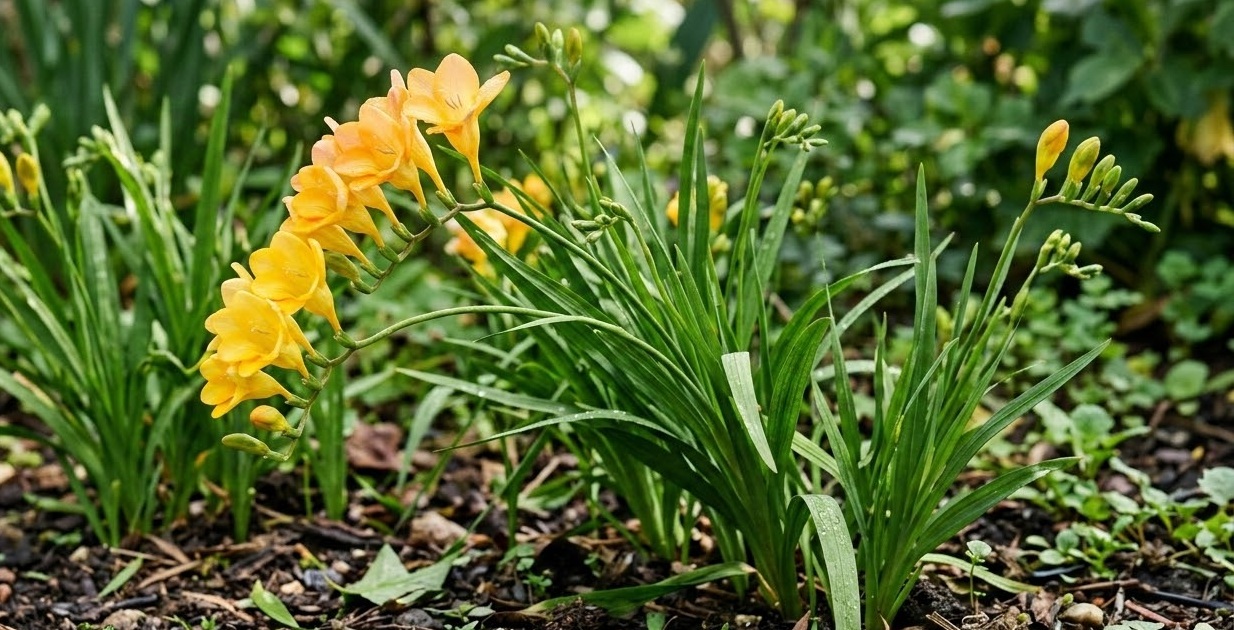

As the warm days of summer begin to fade and the first hints of autumn air arrive, your plants will naturally start to show signs of slowing down. You will notice the vibrant green leaves gradually turning yellow and then brown as the plant redirects its remaining energy back into the underground corm. This transition is a critical time for the long-term health of the bulb, and you must resist the urge to interfere with this natural aging process. Providing a period of relative dryness during this phase signals to the plant that it is time to enter its essential dormant state.
Reducing the frequency of your watering routine is the first step in preparing your collection for its winter rest in the cold ground or storage. You should wait until the soil is almost completely dry before adding any more moisture, which encourages the plant to finish its life cycle for the season. If you continue to water heavily, you might delay dormancy or even cause the bulbs to rot before they have a chance to fully mature and store their energy. This careful management of moisture is particularly important for plants grown in containers where water can easily accumulate at the bottom of the pot.
Stopping all fertilization at the end of the blooming season is another vital task that helps the plant transition smoothly into its winter dormancy without interruption. Late-season feeding can stimulate new green growth that is soft and vulnerable to the coming frosts and cold temperatures of the winter months. You want the plant to focus entirely on strengthening the bulb and developing the internal structures that will produce next year’s spectacular flower display in the garden. By withdrawing nutrients, you allow the plant’s metabolic rate to slow down naturally as the days grow shorter and the light intensity decreases.
Once the foliage has completely withered and turned brittle, you can carefully trim away the dead material to tidy up the appearance of your garden beds or pots. You should use clean, sharp shears to make neat cuts at the soil line, being careful not to disturb the crown of the bulb or any developing offsets. Removing this dead foliage is not just about aesthetics; it also helps eliminate potential hiding places for pests and reduces the risk of fungal diseases overwintering in the garden. Now that the above-ground parts of the plant are gone, you can focus on the final steps of winter protection or harvesting for storage.
Lifting and cleaning corms
In regions where the ground freezes deeply or the winter rains are excessive, lifting the bulbs from the soil is the safest way to ensure their survival until spring. You should use a garden fork or a small trowel to gently loosen the earth around the base of the plant, being careful not to pierce or bruise the delicate corms. Lifting should be done on a dry day if possible, as it is much easier to remove the soil from the bulbs when it is not sticky and wet from recent rain. Once the bulbs are out of the ground, you can clearly see their health and decide which ones are worth keeping for the next season.
More articles on this topic
Cleaning the bulbs is a simple but necessary process that helps prevent the spread of soil-borne diseases and pests during the long winter storage period. You should gently brush away any large clumps of soil by hand or with a soft brush, taking care not to damage the protective papery tunic that surrounds the corm. It is generally best to avoid using water to wash the bulbs, as any trapped moisture can quickly lead to rot or mold growth in the storage containers. If you find any bulbs that are soft, discolored, or show signs of insect damage, you should discard them immediately to protect the rest of your collection.
After cleaning, the bulbs need to undergo a curing process to help toughen their outer skins and ensure they are dry enough for long-term storage in the dark. You should place them in a single layer on a tray or a mesh screen in a shaded, well-ventilated area for several days to allow any remaining moisture to evaporate. Avoiding direct sunlight during this time is important, as the intense heat can cause the internal tissues of the bulb to dry out too quickly and lose their vitality. Once the bulbs feel firm and the outer tunics are dry and crisp, they are ready to be moved to their final winter home.
Sorting your bulbs by size and variety during the cleaning and curing phase will make your spring planting much more organized and successful for your garden. You should take the opportunity to separate any large offsets that have naturally detached from the parent bulb and store them in their own labeled containers for future use. Keeping a detailed record of which varieties performed best in your garden will help you make better decisions about what to plant next year and how to arrange your floral displays. This extra bit of effort during the autumn will pay off with a more efficient and rewarding gardening experience when the weather warms up again.
Ideal storage conditions
The location you choose for storing your bulbs over the winter is perhaps the most important factor in determining how well they will perform in the coming spring. You should find a spot that is cool, dark, and consistently dry to prevent the bulbs from sprouting prematurely or rotting in the damp air of a basement or garage. The ideal temperature for most dormant bulbs is between ten and fifteen degrees Celsius, which is cool enough to maintain dormancy but not cold enough to cause frost damage. Avoiding areas near heaters or drafty windows will help keep the environment stable and conducive to a healthy rest for the plants.
More articles on this topic
Breathability is a key requirement for any storage container you use for your collection of flowering bulbs during the long winter months in the house. You should avoid plastic bags or airtight bins that trap moisture and can quickly lead to an outbreak of mold or fungal rot among your precious specimens. Mesh bags, cardboard boxes, or paper envelopes are much better choices as they allow air to circulate freely around the bulbs and keep them dry. Filling the containers with a bit of dry peat moss, vermiculite, or even wood shavings can help provide a gentle cushion and further regulate the humidity levels.
Checking on your stored bulbs once a month is a vital habit that allows you to catch any potential problems before they spread through the entire container and ruin your crop. You should look for any signs of mold, shriveling, or soft spots that might indicate a bulb is beginning to deteriorate or has become infected with a disease. If you find a bad bulb, remove it immediately and check its neighbors carefully for any signs that the problem has started to move to other nearby specimens. This simple monthly inspection can save you from a major loss and ensure that most of your bulbs are ready for planting when the time is right.
Proper labeling is the final piece of the puzzle for a successful winter storage routine that keeps your garden organized and easy to manage throughout the year. You should clearly mark each container with the name of the variety, the color of the flowers, and the date they were lifted from the ground in the autumn. Using waterproof ink or durable tags will ensure that the information remains legible even if the storage area is slightly damp or dusty over the winter. This organization allows you to plan your garden layout in advance and ensures you know exactly what you are planting when the first warm days of spring arrive.
Transitioning back to growth
As the days begin to lengthen and the soil temperatures start to rise in the late winter or early spring, it is time to think about bringing your bulbs out of dormancy. You should start by inspecting each bulb one last time to ensure it remains firm, healthy, and shows no signs of disease or excessive dehydration from its time in storage. If the bulbs appear very dry, you might consider soaking them in lukewarm water for a hour or two to help rehydrate the internal tissues before they go into the ground. This gentle wake-up call can help speed up the germination process and get your garden off to a fast and healthy start.
The timing of replanting will depend on your local climate and whether you are planting directly into the garden or starting them in pots in a protected greenhouse. You should wait until the danger of hard frost has passed and the soil has warmed up enough to support new root growth without stressing the sensitive bulbs in the beds. If you are starting them in containers, you can begin the process a few weeks earlier to get a head start on the flowering season and enjoy earlier blooms in your home. Providing a bright, sunny location will encourage strong, sturdy growth and prevent the young shoots from becoming leggy and weak as they reach for the light.
When you first place the bulbs back into the soil, you should water them in thoroughly to settle the earth around the roots and ensure there is plenty of moisture to trigger growth. However, you must be careful not to over-water during this early stage, as the bulbs do not yet have a large root system to absorb large amounts of liquid from the ground. Maintaining a lightly moist environment is the best way to encourage the first shoots to emerge and start their journey toward the surface and the warm spring sun. As the foliage develops and the weather warms up, you can gradually increase the frequency and amount of water you provide to match the plant’s needs.
Witnessing the first green tips breaking through the soil surface is one of the most exciting moments for any gardener who has carefully managed their bulbs through the winter. This success is a testament to your hard work and attention to detail during the dormant phase and the storage period in the cold months. With proper care and continued observation, these newly awakened bulbs will soon grow into the vibrant and fragrant flowers that make all the effort of wintering them truly worth it. Now you can look forward to another season of beauty and fragrance in your garden as the cycle begins once again with new energy.