
Successful planting and propagation are the fundamental skills required to expand your collection of ivy and cover large areas effectively. You must start with high-quality parent plants that are free from disease and show signs of vigorous, healthy growth. Timing is essential when you decide to take cuttings or move established plants to new locations in the landscape. Professional techniques ensure a high success rate and minimize the time it takes for the new plants to become established.
Selecting the perfect planting site
Choosing the right location for your ivy involves more than just finding an empty space in the garden beds. You should look for a spot that offers protection from the most intense afternoon sun to prevent leaf burn. The soil in the chosen area must have excellent drainage to avoid the risk of root rot during wet periods. Observing the light patterns in your garden throughout the day will help you identify the most suitable microclimate.
Accessibility for maintenance is a practical consideration that you should not overlook during the planning phase of your project. You will need to be able to reach the plant easily for watering, pruning, and guiding the climbing vines. Avoid planting ivy too close to delicate structures that might be damaged by its strong aerial attachment roots. A well-chosen site allows the plant to grow freely without causing future problems for your home or other garden features.
Ground preparation is the key to ensuring that your new ivy plants have the best possible start in their new home. You should remove any competing weeds and loosen the soil to a depth of at least thirty centimeters. Incorporating some organic matter into the planting hole provides immediate nutrients and improves the local soil structure. This initial investment in soil preparation pays off with much faster growth and better long-term health for the ivy.
The proximity to other plants should be carefully managed to prevent the ivy from overwhelming its neighbors in the garden. You can use the ivy to fill in gaps between larger shrubs or to provide a green backdrop for colorful flowers. However, you must be prepared to maintain clear boundaries to ensure that every plant has enough space to thrive. Strategic planting creates a balanced and harmonious garden design where the ivy complements the other botanical elements.
More articles on this topic
Professional techniques for planting
When you are ready to put your ivy into the ground, the depth of the planting hole is a critical factor. You should dig a hole that is twice as wide as the root ball but no deeper than the original pot. Placing the plant too deep can lead to stem rot, while planting it too shallow may cause the roots to dry out. Ensuring the plant is level with the surrounding soil promotes healthy development and a strong connection to the earth.
Handling the root system with care during the transplanting process prevents unnecessary shock to the young ivy plant. You should gently tease out any roots that have started to circle the inside of the temporary plastic container. This encourages the roots to grow outward into the new soil rather than continuing to grow in a tight, restricted spiral. A healthy and expansive root system is essential for the plant’s ability to absorb water and nutrients effectively.
Backfilling the hole should be done with a mixture of the original soil and a small amount of high-quality garden compost. You should press the soil down firmly with your hands to remove any large air pockets that could dry out the roots. Avoid using your feet to stomp the soil, as this can lead to excessive compaction and hinder root penetration. A firm but breathable soil structure provides the perfect environment for the ivy to establish itself quickly.
Immediate aftercare following the planting session is vital for the survival of your new garden addition during the first few weeks. You must water the plant thoroughly to settle the soil around the roots and provide much-needed hydration. Adding a layer of organic mulch around the base helps retain this moisture and suppresses the growth of any emerging weeds. Consistent monitoring during this establishment phase will ensure that your ivy gets the best start possible.
More articles on this topic
Propagating ivy from stem cuttings
Propagating ivy from cuttings is one of the most reliable and cost-effective ways to create new plants for your garden. You should select healthy, semi-hardwood stems that are about ten to fifteen centimeters in length for the best results. Make a clean cut just below a leaf node, as this is where the highest concentration of rooting hormones is located. Removing the lower leaves prevents them from rotting when the stem is placed in the growing medium.
The choice of rooting medium can significantly influence the speed and success of the propagation process for your cuttings. You can use a mixture of peat moss and perlite or even a simple glass of clean, room-temperature water. If you use soil, make sure it is kept consistently moist but never allowed to become completely saturated with water. Providing a warm and humid environment will encourage the development of new roots within a few short weeks.
Using a rooting hormone powder or liquid can give your ivy cuttings an extra boost during the initial stages of development. You should dip the cut end of the stem into the hormone before placing it into the prepared growing medium. This step is not strictly necessary for ivy, as it roots very easily, but it can improve the overall success rate. Professional gardeners often use this technique to ensure they get the maximum number of new plants from their cuttings.
Once the roots have reached a length of about five centimeters, you can transplant the new ivy into individual small pots. You should use a high-quality potting mix that provides all the nutrients the young plant needs to continue its growth. Keep the newly potted ivy in a bright but sheltered location until it shows signs of strong, independent development. Gradual acclimatization to outdoor conditions is necessary before moving the plants to their final destination in the garden.
Propagation through the layering method
Layering is a natural propagation technique that takes advantage of the ivy’s inherent ability to grow roots from its stems. You can simply pin a healthy, growing vine to the surface of the soil using a small piece of bent wire. It is helpful to make a small nick on the underside of the stem where it touches the ground to stimulate root growth. This method is particularly useful for creating new plants without having to detach them from the parent plant.
The soil at the layering site should be kept moist to encourage the quick development of a new and independent root system. You can cover the pinned section of the stem with a small amount of soil or mulch to protect it from drying out. This process requires patience, as it may take several months for the new roots to become strong enough for the plant to survive on its own. Monitoring the site regularly will help you determine when the new plant is ready for separation.
Separating the new plant from the parent is a simple task that should be done with a pair of sharp, clean garden shears. You should cut the connecting stem once you are confident that the new root system is well-established and functional. It is best to wait for a period of mild weather to perform this task to minimize stress on both the new and the old plant. After the cut is made, the new ivy can be moved to its permanent location or left to grow where it is.
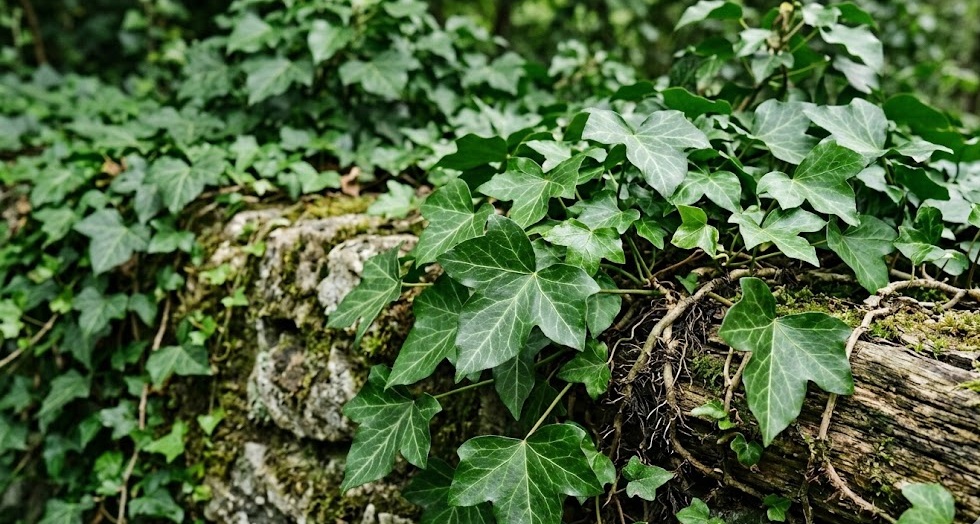
The layering method is an excellent way to fill in bare spots in your ground cover without the need for additional pots or equipment. You can direct the growth of the new plants to exactly where they are needed most in your landscape design. This technique mimics the way ivy spreads in the wild, creating a natural and cohesive look in your garden beds. Professional landscapers often use layering to create a dense and seamless carpet of green foliage over large areas.