
The process of wintering sweet potatoes is a critical phase for any gardener who wants to enjoy the fruits of their labor long after the summer sun has faded. These tropical roots are not designed to survive freezing temperatures, so you must intervene before the first frost settles on the ground. Proper timing and careful handling are the keys to ensuring that the tubers remain firm, sweet, and free of rot during the cold months. When you manage the transition from the garden to the pantry correctly, you can provide your family with nutritious, home-grown food all winter long.
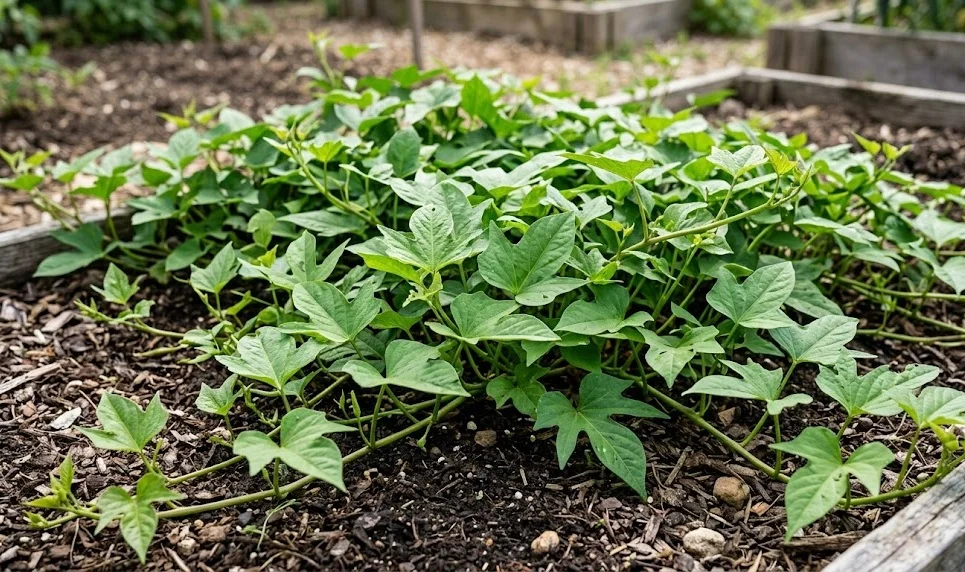
The first step in a successful wintering strategy is knowing exactly when to lift the potatoes from their summer home in the garden. You should watch the weather forecast closely in the autumn and plan to harvest as soon as the vines are touched by the first light frost. While the frost kills the foliage, the tubers are still safe underground as long as the soil temperature hasn’t dropped too low. Delaying the harvest after the vines have died can increase the risk of soil-borne rot moving from the decaying stems down into the potatoes.
When it comes time to dig, you should handle the tubers as if they were fragile eggs, as their skin is incredibly thin and easily damaged right out of the ground. Any nicks or bruises created during the harvest will become entry points for pathogens that cause spoilage during storage. Use a garden fork to gently lift the entire mound, keeping the tool a safe distance from the center where the largest potatoes are likely located. Once they are out of the ground, let them sit on the surface for only an hour or two to dry slightly before moving them to a protected area.
It is a common mistake to wash the soil off the potatoes with a hose immediately after harvesting, but this should be avoided at all costs. The excess moisture can lead to fungal growth, and the force of the water can easily tear the delicate skin. Instead, simply brush off the largest clumps of earth with your hands or a soft brush once the potatoes have dried. Keeping them dry and handled minimally is the best way to prepare them for the curing process that will ultimately ensure their long-term survival.
The importance of the curing process
Curing is perhaps the most misunderstood but essential part of wintering sweet potatoes, as it is the process that allows the skin to toughen and the wounds to heal. For about ten days after the harvest, you need to keep the tubers in a warm and humid environment, ideally around eighty to eighty-five degrees Fahrenheit with high humidity. This specific combination of factors triggers the plant’s natural healing response, sealing any small scratches and preventing moisture loss. Without a proper cure, sweet potatoes will often shrivel or rot within just a few weeks of being put into storage.
More articles on this topic
You can create a simple curing environment at home by placing the potatoes in a small room or a closet with a space heater and a humidifier. Some gardeners find that placing the tubers in perforated plastic bags or crates covered with damp burlap also helps maintain the necessary humidity levels. You should check on them regularly to ensure that the air is circulating and that no mold is starting to form on the surface of the skin. A successful cure is evident when the potatoes feel firm and the skin has lost its initial fragile and translucent appearance.
During the curing phase, the starches within the root also begin to convert into sugars, which is why sweet potatoes often taste better a few weeks after they have been harvested. This chemical transformation is enhanced by the warmth of the curing room, resulting in the rich, deep flavor that we all love. If you were to eat a sweet potato immediately after pulling it from the ground, you might find it surprisingly bland and starchy compared to one that has been properly cured. This “resting period” is as much about flavor development as it is about physical preservation.
Once the ten-day period is over, you should move the potatoes gradually to their long-term storage location to avoid a sudden temperature shock. The transition should be slow and steady, allowing the tubers to acclimate to the cooler environment where they will spend the next few months. A well-cured sweet potato is a resilient and delicious vegetable that can easily last until the following spring if kept under the right conditions. Investing the time in this extra step is what separates a successful gardener from one who ends up with a box of spoiled roots.
Optimal long-term storage conditions
The ideal environment for storing sweet potatoes over the winter is a cool, dark, and well-ventilated space with a consistent temperature of about fifty-five to sixty degrees Fahrenheit. You should avoid placing them in a modern refrigerator, as temperatures below fifty degrees can cause the core of the potato to become hard and develop an unpleasant “off” flavor. A basement, a root cellar, or even a cool closet in the center of your home are often the best choices for maintaining the necessary conditions. Keeping the potatoes in total darkness prevents them from attempting to sprout prematurely and preserves their internal quality.
More articles on this topic
Airflow is another critical factor in preventing the buildup of carbon dioxide and moisture, both of which can lead to rapid spoilage. You should store the tubers in single layers in wooden crates, mesh bags, or cardboard boxes with holes punched in the sides for ventilation. Avoid stacking them too deep, as the weight of the top potatoes can crush those at the bottom and restrict the movement of air through the container. Regularly shifting the containers or gently checking the potatoes can help ensure that no pockets of stagnant air are forming in your storage area.
High humidity is actually beneficial during storage, as it prevents the potatoes from drying out and becoming woody or shriveled over time. While not as extreme as the humidity required during curing, a level of about seventy-five to eighty percent is perfect for maintaining the crisp texture of the flesh. If your storage area is too dry, you can place a few open jars of water nearby to help add a bit of moisture to the air naturally. It is a delicate balance to maintain, but it is one that pays off with every meal you prepare during the long winter months.
You should also keep your sweet potatoes away from other fruits and vegetables that produce ethylene gas, such as apples or onions, as this can cause them to spoil more quickly. Ethylene is a natural ripening agent that can trigger the potatoes to break dormancy and start growing vines long before you are ready to plant them again. Dedicated storage space for your root crops is always a good idea to prevent these kinds of cross-contamination issues. By controlling every aspect of their environment, you can ensure that your hard-earned harvest stays fresh and delicious for as long as possible.
Monitoring and maintenance during winter
Even after you have settled your sweet potatoes into their winter home, your job as a gardener is not entirely finished until they are all eaten. You should make it a habit to check on your stored crop at least once every two weeks to look for any signs of trouble. If you find a potato that is starting to feel soft or has developed a spot of rot, remove it immediately before the issue can spread to the neighboring tubers. One bad potato can quickly ruin an entire crate if left unchecked, so vigilance is the best way to protect your supply.
As the winter progresses, you might notice that some of the potatoes start to grow small purple “eyes” or buds, which is a sign that they are sensing the approaching spring. While these are still perfectly safe to eat, you should prioritize using the ones that show signs of sprouting first, as their quality will eventually begin to decline. You can simply rub the sprouts off with your thumb if they are small, but if they become large vines, it means the potato is using up its stored energy quite rapidly. This natural cycle is a reminder that the plants are always alive and responding to the world around them.
If your storage area experiences a sudden temperature drop during an extreme cold snap, you may need to provide some temporary insulation for your crates. Moving them away from exterior walls or covering them with heavy blankets can help maintain the stable fifty-five-degree environment that the potatoes need. Conversely, if the weather becomes unusually warm, you might need to find a cooler spot to prevent them from waking up too early. Being responsive to the changes in your local climate will help you manage the challenges of winter storage with confidence.
Finally, remember to enjoy the process of using your home-grown sweet potatoes in your winter cooking and sharing them with friends and family. There is a special kind of satisfaction that comes from bringing a basket of healthy tubers out of the cellar and turning them into a warm, nourishing meal on a cold day. The effort you put into wintering your crop is a testament to your connection with the land and your commitment to a sustainable lifestyle. With each potato you peel and cook, you are celebrating the success of the past season and the promise of the one to come.