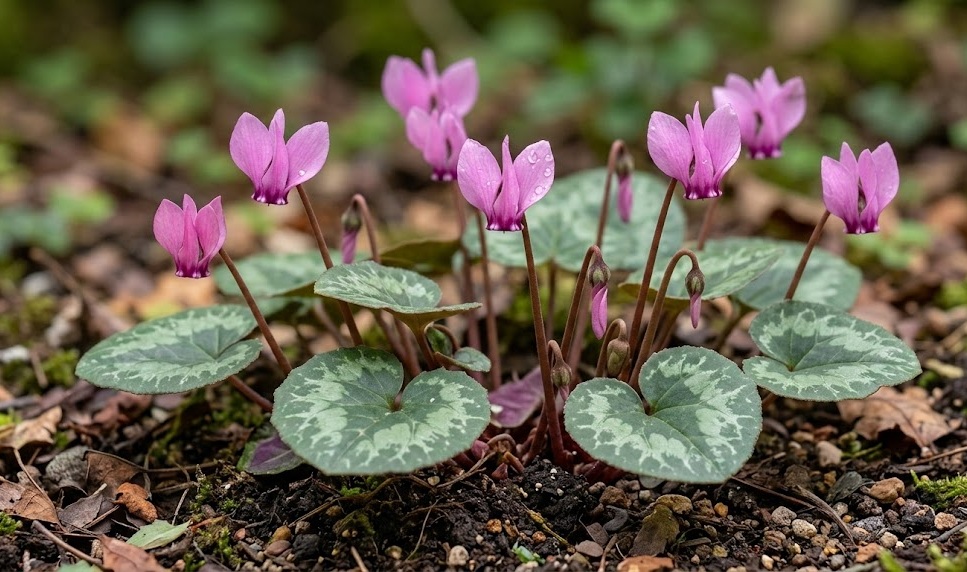

The winter months are a critical period for the European cyclamen, as this is often the time when it demonstrates its true resilience and beauty. Unlike many other species that disappear entirely during the cold, this woodland perennial maintains its striking foliage and may even continue to bloom in milder climates. You must understand that wintering is not just about protection from the cold; it is about managing the plant’s moisture and light needs during the shortest days of the year. By following these professional guidelines, you can ensure that your plants emerge from the winter strong, healthy, and ready for the spring growth spurt.
Preparing for the dormant and cold season
Preparation for winter should begin in the late autumn as the temperatures start to drop consistently and the days become noticeably shorter. You should start by reducing the amount of water you provide, allowing the soil to dry out more thoroughly between each watering session. This transition helps the plant’s metabolism slow down naturally and prepares the tuber for the colder conditions ahead. A plant that is too lush and full of water in its tissues is much more susceptible to frost damage when the temperatures hit freezing.
You should perform a final cleaning of the plant and its surrounding soil, removing any late-season debris that could harbor moisture or pests over the winter. This is also the time to check the stability of your plants, ensuring that they are firmly rooted and that the soil hasn’t washed away from the crown. If you have any plants in containers that are known to be sensitive to frost, you should move them to a more sheltered location before the first hard freeze is predicted. Professional foresight is much more effective than trying to rescue frozen plants in the middle of a winter storm.
In the garden, applying a fresh but light layer of organic mulch can provide an essential buffer against the extremes of winter weather. You should use a material that doesn’t pack down too tightly, such as partially decomposed leaves or a very thin layer of fine bark. This mulch helps to keep the soil temperature more stable, preventing the cycle of freezing and thawing that can push tubers out of the ground. Be careful not to pile the mulch directly against the crown of the plant, as this can encourage rot even in the coldest weather.
Finally, you should evaluate the light levels in your chosen wintering spot, as the low winter sun can sometimes be blocked by buildings or evergreen trees. While the cyclamen loves shade, it still needs a certain amount of light to maintain its foliage during the winter months. You might need to trim back some overhanging branches or move potted plants to a slightly more open area to ensure they get enough light. This careful balancing of protection and exposure is what characterizes professional-level winter care for this species.
More articles on this topic
Providing shelter and insulation in the garden
The European cyclamen is remarkably hardy, often surviving temperatures well below freezing, but it still appreciates a bit of extra help during extreme weather. If your area experiences deep frost without a protective layer of snow, you may need to provide some temporary insulation for your garden plants. You can use a lightweight garden fleece or even a few evergreen branches laid loosely over the planting area during the coldest nights. These materials trap a small amount of heat from the soil and protect the delicate leaves from the drying effects of freezing winds.
You must be careful to remove any temporary covers as soon as the extreme cold passes and the sun comes out. Keeping the plants covered for too long can create a warm, humid environment that encourages the growth of winter molds and fungi. The goal is to provide a buffer against the worst extremes, not to create a permanent greenhouse effect that confuses the plant’s seasonal clock. Professional winter care is about being responsive to the weather and acting only when the conditions truly threaten the plant’s survival.
If you have planted your cyclamen in a particularly exposed spot, you might consider creating a small windbreak using stones or other low-growing plants. Freezing winds can strip moisture from the leaves much faster than the roots can replace it, leading to a type of winter drought stress. By reducing the speed of the wind across the soil surface, you help the plant maintain its hydration and reduce the risk of leaf burn. These small structural additions to your garden can make a significant difference in the appearance of your plants by the time spring arrives.
Monitoring the moisture levels in the garden is still necessary during the winter, especially if you have a period of dry, cold weather without snow. You should check the soil under the mulch occasionally to ensure it hasn’t become bone-dry, as the tubers still need a tiny amount of moisture to stay alive. If the soil is dry and no rain is forecast, a very light watering on a day when the temperature is above freezing can be beneficial. Always avoid watering in the evening, as any surface water will freeze and could damage the plant’s crown.
More articles on this topic
Professional indoor wintering techniques
If you live in an extremely cold climate or prefer to keep your European cyclamen indoors, you must provide a winter environment that is very different from your own living space. You should find the coolest room in your home, such as an unheated sunroom, a cool hallway, or even a bright basement with a window. The goal is to keep the plant in a temperature range between five and twelve degrees Celsius throughout the winter months. This cool environment is essential for maintaining the plant’s natural rhythm and preventing it from becoming weak and “leggy.”
You must be very careful with the humidity levels indoors, as central heating can make the air incredibly dry and stressful for woodland plants. You can use a pebble tray as mentioned previously, or place your cyclamen among a group of other cool-weather plants to create a more humid microclimate. Avoid placing the pots anywhere near radiators, heat vents, or fireplace hearths, as the direct heat will quickly dehydrate the plant and cause the leaves to collapse. A professional indoor gardener treats the plant’s air quality with as much care as they do the soil and water.
Watering your indoor cyclamen during the winter requires a very light hand and a lot of observation. You will find that the plant needs significantly less water than it did in the autumn, as the lower temperatures and light levels mean it is not growing as actively. You should wait until the top few centimeters of soil are dry and the pot feels light before providing a small amount of water from the bottom. Overwatering during an indoor winter is the most common reason for plant failure, so err on the side of caution every time.
Check your indoor plants regularly for any signs of pests that thrive in warm, dry homes, such as spider mites or scale insects. These pests can quickly take hold when the plant is stressed by indoor conditions and there are no natural predators to keep them in check. If you find any issues, treat them immediately with a gentle insecticidal soap or a damp cloth to keep the population from exploding. By maintaining a clean, cool, and appropriately humid indoor space, you can enjoy the beauty of your cyclamen even when the world outside is buried in snow.
Managing the transition to spring
As the days begin to lengthen and the first hints of spring warmth appear, your European cyclamen will start to wake up and enter a period of rapid growth. You should slowly increase the frequency of your watering to match this increase in activity, but continue to avoid over-saturating the soil. This is also the time to provide the first very weak dose of liquid fertilizer to fuel the new leaf development and any potential spring flowers. The transition should be gradual, mirroring the natural changes occurring in the woodland outside your home or garden.
If you have kept your plants indoors or under heavy mulch, you should slowly reintroduce them to more light and fresh air. Start by opening a window on mild days or thinning out the mulch to allow the sun to reach the soil and warm the tubers. This process of “hardening off” is a professional technique that prevents the plant from being shocked by sudden changes in its environment. You want to encourage steady, strong growth that will be resilient enough to handle the variable weather of early spring.
Inspect the plant for any winter damage, such as frost-burned leaf edges or any stems that have become soft or moldy during the cold months. Gently remove these affected parts to tidy up the plant and prevent any dormant fungal spores from becoming active as the temperatures rise. This spring cleaning gives the plant a fresh start and allows you to see the new growth more clearly as it emerges from the crown. A well-tended plant will quickly hide any winter scars with a flush of vibrant, healthy new foliage.
Finally, take a moment to evaluate how your wintering strategy worked and make notes for the following year. Every winter is different, and your plants will react in unique ways to the specific conditions they experience. Perhaps you found that a certain spot in the garden was too wet, or a room in the house was a few degrees too warm. By learning from each season, you refine your professional expertise and ensure that your European cyclamen will continue to grace your home and garden for many years to come.