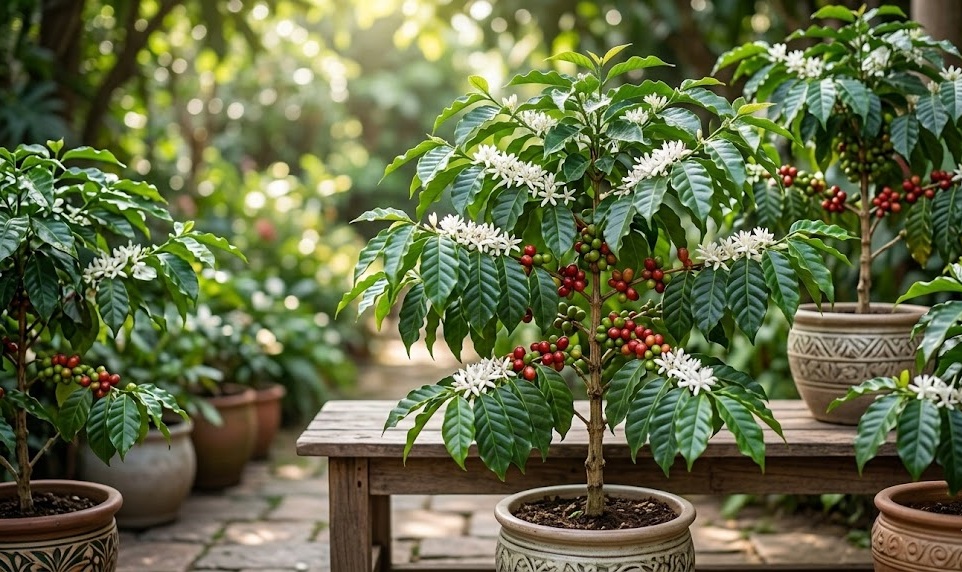

As the season transitions into the colder months, the coffee plant enters a period of physiological change that requires specific adjustments to its care routine. In its native tropical highlands, the plant does not experience a true frost, making it highly sensitive to the low temperatures of northern winters. Successful wintering involves balancing reduced metabolic activity with the challenges of indoor heating and lower light levels. This article provides professional guidance on how to navigate the winter season to ensure your coffee plant emerges healthy and ready for spring.
Preparing for the indoor move
The transition from a summer location to a winter spot should be managed carefully to minimize the shock caused by changing environmental conditions. You should begin this process before the nighttime temperatures consistently drop below twelve degrees Celsius to prevent cold stress. A professional approach involves a gradual acclimation, where the plant is brought inside for longer periods each day over the course of a week. This allows the foliage to adjust to the lower light levels and different air currents found within the home.
Before moving the plant into its winter quarters, it is essential to perform a thorough inspection for any pests that might have been picked up during the summer. Treating the plant with a preventative spray of neem oil or insecticidal soap can ensure that you are not bringing an infestation into your indoor space. You should also take the time to clean the leaves of any dust, pollen, or outdoor debris that could block light during the darker months. A clean plant is a healthy plant that is better equipped to handle the stresses of the coming winter.
Choosing the right winter location is a critical decision that will dictate the plant’s health for the next several months. You should look for a spot that is bright and away from the direct path of heating vents or cold drafts from exterior doors. South-facing windows are often the best choice in the winter as they provide the maximum amount of available light during the short days. However, you must be careful that the leaves do not touch the cold glass, which can lead to localized freezing and tissue damage.
Once the plant is in its final winter position, you should avoid moving it again unless absolutely necessary for its survival. Stability is the plant’s best friend during the winter, as every change in location requires a new period of physiological adjustment. You might notice some minor leaf drop as the plant balances its canopy to match the new light levels, which is a normal response. By preparing carefully and choosing a stable environment, you set the stage for a successful and stress-free wintering period.
More articles on this topic
Temperature regulation in winter
Maintaining a consistent and appropriate temperature is the most challenging part of winter care for a tropical specimen like the coffee plant. While the plant can tolerate temperatures down to about ten degrees Celsius, it will not thrive if it is kept consistently that cold. You should aim for a daytime temperature of around eighteen to twenty degrees, with a slight drop at night to mimic natural rhythms. Providing a small heating mat under the pot can be a professional trick to keep the root zone warm if the room itself is a bit chilly.
Sudden temperature fluctuations are far more dangerous than a steady but cool environment, as they can cause the plant to enter a state of emergency. You must be vigilant about monitoring the temperature near windows, which can drop significantly when the sun goes down. Using a digital thermometer with a min/max memory function allows you to see exactly how cold the plant is getting during the night. If the temperature is too low, the plant’s metabolism will stall, making it more susceptible to overwatering and root issues.
Indoor heating systems present a different kind of temperature challenge by creating pockets of dry, hot air that can dehydrate the foliage. You should never place your coffee plant directly above or in front of a radiator or a forced-air vent. The rapid movement of hot air can cause the leaves to curl and turn brown at the edges in a matter of days. A professional grower uses physical barriers or strategic placement to ensure the plant enjoys a gentle and steady warmth throughout the winter.
If you live in an area with extremely harsh winters, you may need to add additional insulation to the window area to protect your plant. Thick curtains or bubble wrap on the glass can provide a buffer against the biting cold from the outside. You should always ensure that there is a small gap between the plant and the insulation to allow for some air movement. By taking these extra steps to regulate the thermal environment, you ensure that your coffee plant remains in a comfortable and safe state of dormancy.
More articles on this topic
Managing reduced water needs
The most common mistake made during the winter is continuing to water the coffee plant at the same frequency used during the summer growth spurt. Because the light levels are lower and the temperatures are cooler, the plant’s demand for water drops by as much as fifty to seventy percent. You must allow the soil to dry out significantly more between waterings than you would during the active growing season. A professional uses a moisture meter or the weight of the pot to confirm that the substrate is truly dry before adding any moisture.
Overwatering in the winter is particularly dangerous because the damp, cold soil becomes a breeding ground for fungal pathogens and root rot. When the plant is not actively growing, it cannot use up the excess moisture, leading to anaerobic conditions that kill the roots. You should also use water that is at room temperature to avoid shocking the sensitive roots with a sudden burst of cold. Watering in the early morning is best, as it allows any accidental moisture on the leaves to evaporate before the cooler night temperatures arrive.
Humidity management becomes even more important as the indoor air is dried out by central heating systems. While the soil should stay on the drier side, the air around the foliage needs to remain moist to prevent transpiration stress. Using a humidifier or a large tray filled with pebbles and water is an effective way to maintain a localized microclimate for the plant. You should aim for a humidity level of at least forty percent to keep the leaves from becoming brittle and losing their shine.
Fertilization should be completely suspended during the core winter months, typically from November through February in most northern regions. Adding nutrients when the plant is not growing can lead to a toxic buildup of salts that can damage the dormant root system. You should only resume feeding when you see the first clear signs of new growth in the early spring, indicating that the plant’s metabolism has accelerated. This period of nutritional rest is a vital part of the coffee plant’s natural annual cycle.
Spring transition management
As the days begin to lengthen in late February and early March, you will notice your coffee plant starting to wake up from its winter slumber. This transition back to active growth should be managed with the same care as the initial move indoors several months prior. You should gradually increase the watering frequency as the plant’s transpiration rate rises with the increasing light and warmth. This is also the ideal time to perform a light cleaning of the foliage to ensure maximum light absorption for the new growing season.
The first application of fertilizer should be at a very low concentration to gently reintroduce the plant to a higher nutrient load. You should look for fresh, light green leaves emerging at the tips of the branches as a sign that the root system is active and ready for feeding. If the plant has outgrown its container, the early spring is the best time for repotting, just as the growth cycle is beginning. Moving the plant into fresh soil provides a natural boost of minerals and space for the new year’s root expansion.
Wait until the danger of frost has completely passed before considering moving the plant back to an outdoor summer location. Even a single night of near-freezing temperatures can undo all the hard work you put into wintering the plant safely. You should follow the same acclimation process in reverse, gradually exposing the plant to higher light levels and outdoor air over a period of ten to fourteen days. This careful hardening-off process prevents sun scorch and allows the plant to transition smoothly to its summer home.
Wintering a coffee plant is a test of a gardener’s patience and attention to detail, but it is a necessary part of the journey toward a mature specimen. By respecting the plant’s need for a slower pace and adjusting your inputs accordingly, you ensure its long-term health and productivity. Each successful winter season makes the plant more resilient and better prepared for the explosive growth of the coming summer. A professional grower views the winter not as a challenge to be overcome, but as a vital phase in the plant’s life.