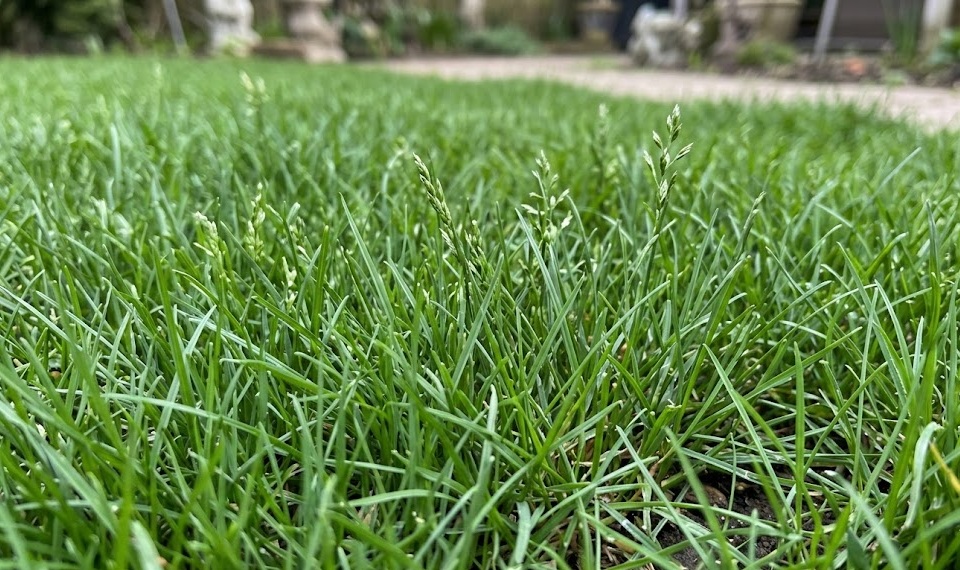

Preparing your lawn for the cold months is a vital process that ensures the grass survives the freezing temperatures and returns quickly in the spring. You must understand that while the top growth stops during the winter, the biological processes within the roots and crown continue at a much slower pace. Kentucky bluegrass is a hardy species, but it still requires specific care to prevent desiccation and physical damage during the dormant period. When you manage the transition into winter properly, you set the stage for a spectacular green-up as soon as the ground begins to thaw.
Preparing the lawn for dormancy
The preparation for winter actually begins in the late summer and early autumn when you adjust your fertilization and mowing routines. You should focus on providing higher levels of potassium to help the grass build strong cell walls that can resist freezing. Avoiding high-nitrogen fertilizers in the late fall prevents a surge of soft, succulent growth that would be easily damaged by the first hard frost. This gradual transition allows the plants to move their energy reserves into the root system for safe keeping until the spring.
As the growth rate of the grass slows down, you should gradually lower your mowing height by a small amount each session. The goal is to enter the winter with the grass at a height of about five to six centimeters, which is slightly shorter than your usual summer height. This prevents the long blades from matting down under the weight of snow, which can lead to suffocation and the development of snow mold. A clean, even cut helps the lawn stay tidy and healthy even when it is not actively growing.
It is absolutely essential to remove all fallen leaves and debris from the surface of the lawn before the first permanent snow arrives. Leaves left on the grass will create a damp, dark environment that blocks sunlight and encourages the growth of harmful fungal pathogens. You can use a leaf blower or a rake to keep the area clear, or you can mulch the leaves into very small pieces with your mower if the layer is thin. A clean surface ensures that the grass can breathe and utilize any available winter sunlight during clear days.
Ensuring that the soil has adequate moisture before the ground freezes is a step that many gardeners forget during the busy autumn season. If the fall has been particularly dry, you should provide one or more deep watering sessions to hydrate the roots and the surrounding soil. Moist soil holds heat better than dry soil and provides a buffer against the extreme temperature fluctuations of a cold winter. This hydration is your best defense against winter desiccation, which occurs when the grass loses more water than it can absorb from the frozen ground.
More articles on this topic
Managing the turf during freezing temperatures
Once the ground is frozen and the grass has entered its dormant state, your main goal is to protect the lawn from physical stress. You should strictly avoid walking on the lawn when it is covered in frost or when the grass blades are frozen solid. Walking on frozen grass breaks the brittle plant tissues and can damage the growing points at the base of the plant, known as the crowns. These damaged areas will often appear as brown, dead footprints that will not recover until late in the spring.
Ice accumulation can also be a concern, especially if it remains on the lawn for an extended period of time without any breaks. While a thin layer of ice is usually not a problem, thick ice that lasts for several weeks can suffocate the grass and cause cellular damage. If you have areas where water tends to pool and freeze into thick sheets, you might need to improve the drainage in those spots during the next growing season. For now, try to avoid adding any additional weight or pressure to these sensitive icy patches in your yard.
Snow is actually a very effective natural insulator that protects the grass from the most extreme air temperatures and drying winds. You should avoid piling extra snow from your driveway or sidewalks onto the lawn, as this can create a dense, heavy layer that takes much longer to melt. The added weight can also compact the soil and create conditions that are highly favorable for the development of gray or pink snow mold. Let the snow fall naturally and distribute it evenly across the landscape to provide a consistent protective blanket for your turf.
Using salt or chemical de-icers on nearby walkways requires great care to ensure they do not wash onto the lawn or seep into the soil. Many of these products are toxic to plants and can cause significant root damage or “salt burn” that will be visible as soon as the grass wakes up. If you must use de-icers, look for products that are labeled as safe for vegetation or use sand to provide traction without the risk of chemical harm. Protecting the edges of your lawn from salt contamination is a vital part of a successful winter management strategy.
More articles on this topic
Protecting against winter desiccation
Winter desiccation, also known as winter kill, is a major threat to Kentucky bluegrass during cold seasons with very little snow cover. This happens when dry, cold winds pull moisture out of the grass blades while the roots are unable to pull any water from the frozen soil. The result is a lawn that appears straw-colored and dead in the spring, even if the temperatures were not exceptionally low. You can minimize this risk by providing that final deep watering in the late autumn as previously mentioned in your care routine.
In areas of your yard that are particularly exposed to prevailing winds, you might consider using temporary windbreaks or burlap covers to provide protection. These barriers slow down the air movement across the surface of the grass, significantly reducing the rate of moisture loss from the foliage. This is especially important for young lawns or areas that were recently overseeded and have not yet established a deep root system. A little bit of extra protection can make a huge difference in the survival rate of your turf during a harsh winter.
Maintaining a healthy thatch layer is another natural way the lawn protects itself from the drying effects of the cold winter air. While excessive thatch is a problem, a thin layer of organic matter acts as an insulating mulch for the crowns and the upper root zone. This layer helps to trap a small amount of moisture and heat near the surface of the soil, providing a more stable environment for the dormant plants. You should always aim for that perfect balance of thatch to ensure year-round health and resilience for your Kentucky bluegrass.
If you experience a mid-winter thaw where the ground softens and the snow disappears, you should take the opportunity to check the moisture levels. If the soil feels extremely dry and the forecast calls for a return to freezing temperatures, a light watering might be beneficial if the water can soak in. However, you must be careful not to create new puddles that will turn into ice sheets when the cold returns. Monitoring the conditions throughout the entire winter allows you to be a proactive guardian for your beautiful green space.
Early spring recovery and assessment
As the days begin to lengthen and the soil temperatures start to rise, your lawn will slowly begin the process of waking up from its winter sleep. You will notice the first hints of green appearing near the base of the plants as they start to produce new growth using their stored energy. This is the time to perform a thorough walk-through of your property to assess how well the grass survived the challenges of the winter months. Look for any areas of mold, physical damage, or desiccation that may require special attention in the coming weeks.
Light raking in the early spring is an excellent way to remove any dead material and lift up grass that has been matted down by snow. This improves airflow to the crowns and allows the warming sunlight to reach the soil surface more effectively, speeding up the green-up process. You should be gentle during this first raking, as the roots are still waking up and the ground may be soft and easily disturbed. This simple act of cleaning helps to prevent disease and encourages a uniform growth pattern across the entire yard.
If you find patches of snow mold, which look like web-like fungal growth on the surface, you should rake those areas specifically to break up the mycelium. Once the air can circulate and the sun can dry out the patches, the fungus will usually stop growing and the grass can begin to recover. In most cases, the damage from snow mold is only on the surface and the plants will grow back from the base within a few weeks. Consistency in your spring cleanup routine ensures that these minor setbacks do not become permanent eyesores in your landscape.
Spring is also the ideal time to plan for any repairs or improvements you want to make based on your observations during the winter. You might decide to overseed areas that were thinned out by desiccation or to improve drainage in spots where ice was a recurring problem. Taking notes on how the different parts of your lawn responded to the cold will help you become a much more effective gardener over time. Your dedication to winter care is the secret ingredient that leads to a lush and vibrant Kentucky bluegrass lawn every single year.