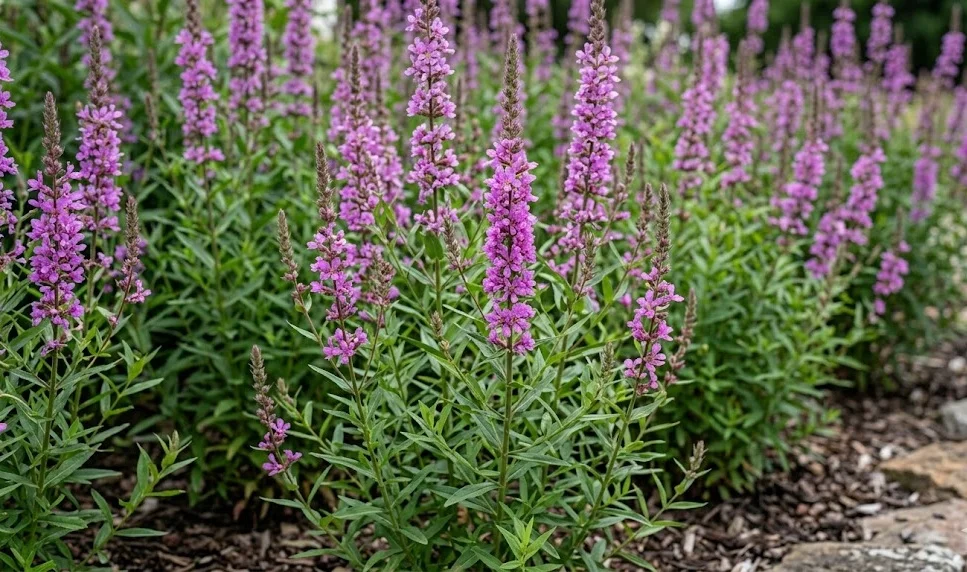

To achieve the lush growth and vibrant flower spikes that define a professional garden, you must master the art of hydration and nutrition. Wand loosestrife has specific needs that, when met, allow it to become a true centerpiece of any moisture-loving landscape. Proper watering and fertilizing are not just about keeping the plant alive, but about providing the fuel it needs to thrive. Understanding the nuances of these tasks is essential for anyone who wants to see their garden reach its full potential.
Consistency is the most important factor when it comes to the irrigation routine for this particular perennial species. Because it naturally inhabits damp meadows and riverbanks, it does not handle extended periods of drought very well. You should aim to keep the soil consistently moist to the touch, especially during the peak growing months of summer. By maintaining a steady level of hydration, you prevent the plant from experiencing the stress that can lead to wilted leaves and poor blooming.
Fertilization is the other half of the success equation, providing the essential minerals that may be lacking in your native soil. A well-timed application of nutrients can significantly boost the size and color of the flower spikes you see in July and August. However, it is important not to overdo it, as excessive fertilizer can lead to weak, floppy growth and other health issues. A professional approach involves testing your soil and providing only what is truly necessary for the plant’s health.
The interaction between water and nutrients is a complex process that happens right beneath the soil’s surface every single day. Water acts as a carrier, bringing the dissolved minerals from the soil into the roots and up throughout the rest of the plant. Without enough water, even the most nutrient-rich soil will not be able to support a healthy and vibrant perennial. Finding the perfect balance between these two elements is the hallmark of a skilled and dedicated gardener.
Understanding hydration needs
The water requirements of wand loosestrife can vary significantly depending on the time of year and the current weather patterns. During the cool, damp days of spring, the plant may need very little extra water beyond what nature provides. However, as the temperatures rise and the sun becomes more intense, your intervention will become much more critical. You should check the moisture levels of the soil at least a few times a week during the hottest parts of the summer.
More articles on this topic
Using your fingers to feel the soil a few inches below the surface is the most reliable way to tell if it is time to water. If the soil feels dry at that depth, it is definitely time to give the area a thorough and deep soak. Shallow watering only wets the surface and encourages the roots to stay near the top where they are more vulnerable to drying out. Deep watering, on the other hand, encourages the roots to grow downward into the cooler and more stable layers of the soil.
The time of day you choose to water can also have a significant impact on how much moisture actually reaches the plant’s roots. Early morning is generally considered the best time, as it allows the water to soak in before the heat of the sun causes too much evaporation. It also gives the foliage time to dry off before evening, which can help to prevent various fungal issues. If morning is not an option, late afternoon is the next best choice, provided the leaves have time to dry.
Monitoring the plant itself for signs of thirst is a skill that you will develop over time as you get to know your garden. If you see the leaves starting to lose their crispness or notice a slight change in their color, the plant is likely experiencing some level of water stress. It is always better to act quickly when you see these signs to prevent any long-term damage to the plant’s health. A proactive approach to watering is one of the best ways to ensure a successful and beautiful growing season.
Managing drainage and soil structure
While this species loves moisture, it is a common misconception that it wants to sit in stagnant or waterlogged soil all the time. Good drainage is still essential because roots need oxygen as much as they need water to function correctly. If your garden has heavy clay soil that tends to hold onto water for too long, you might consider making some amendments. Adding organic matter like compost or well-rotted manure can help to improve the structure and aeration of heavy soils.
More articles on this topic
In areas where water tends to pool after a heavy rain, you may need to take extra steps to ensure your perennials don’t suffer. Creating slightly raised mounds or beds can provide the extra drainage needed to keep the roots healthy and active. You can also incorporate coarse sand or fine gravel into the soil to create more channels for water and air to move through. A professional gardener always thinks about the subterranean environment just as much as what is visible above ground.
Mulching is a fantastic tool for managing soil moisture and structure at the same time throughout the year. A thick layer of organic mulch, such as wood chips or shredded bark, helps to keep the soil surface cool and reduces evaporation. As the mulch slowly breaks down over time, it adds valuable organic matter back into the soil, improving its overall quality. This natural cycle of decomposition and renewal is a key part of maintaining a healthy and sustainable garden ecosystem.
Observing how water moves through your landscape can give you valuable clues about where to place different types of plants. Areas that stay naturally damp are the perfect spots for wand loosestrife and other similar moisture-loving species. If you have a spot that dries out very quickly, you might want to consider a different plant or be prepared to water it much more frequently. Understanding the natural drainage patterns of your yard is a fundamental part of successful and professional landscape planning.
Nutrient balance and fertilization
Most perennials do not require a heavy amount of fertilizer if they are grown in soil that is already rich in organic matter. However, a little extra boost in the early spring can help to get the growing season off to a strong and healthy start. You should look for a balanced, slow-release fertilizer that will provide a steady supply of nutrients over several months. This avoids the sudden spikes in growth that can sometimes be caused by fast-acting liquid fertilizers.
Nitrogen is the primary nutrient responsible for the lush, green foliage that makes the plant look healthy and vibrant. Phosphorus is critical for the development of strong roots and the production of those beautiful flower spikes we all love. Potassium helps with the overall health and resilience of the plant, making it more resistant to diseases and environmental stress. A professional gardener understands how these different elements work together to support the plant’s entire life cycle.
The best time to apply fertilizer is in the early spring just as the first new shoots are beginning to emerge from the ground. You should spread the granules evenly around the base of the plant, making sure not to get too much directly on the tender new growth. Scratch the fertilizer lightly into the surface of the soil and then water the area thoroughly to help the nutrients move down to the roots. This simple routine provides the foundation for a season full of growth and color.
Over-fertilizing is a common mistake that can actually do more harm than good to your garden perennials in the long run. Too much nitrogen can lead to excessive leaf growth at the expense of flowers, and it can also make the stems weak and prone to flopping over. If your plants are already growing vigorously and blooming well, they probably don’t need any extra help from a bag. Learning to recognize when a plant is truly in need of nutrients is a mark of a seasoned and professional gardener.
Choosing the right fertilizer products
There are many different types of fertilizers available on the market, ranging from traditional synthetic granules to organic liquids and compost teas. For a professional garden, organic options are often preferred because they improve the long-term health of the soil as well as the plant. These products release their nutrients more slowly and encourage the growth of beneficial soil microbes and earthworms. Sustainable gardening practices like these lead to a more resilient and self-sufficient landscape over time.
Synthetic fertilizers can be useful if you need to correct a specific nutrient deficiency quickly, but they should be used with caution and precision. Always read the label carefully and follow the recommended application rates to avoid burning the sensitive roots of your plants. If you are unsure about what your soil needs, a professional soil test is the best way to get accurate and helpful information. Knowing exactly what is happening in your soil takes the guesswork out of your fertilization routine.
Compost is perhaps the single best “fertilizer” you can use for your garden, as it provides a wide range of trace minerals and organic matter. You can make your own compost at home using kitchen scraps and yard waste, creating a closed-loop system for your garden. Applying a fresh layer of compost every spring is a simple and effective way to maintain soil fertility and health year after year. It is a cost-effective and environmentally friendly practice that every professional gardener should embrace.
Liquid seaweed or fish emulsion can be used as a supplemental feed during the summer if your plants seem to need a bit of an extra boost. These products are easily absorbed by both the roots and the leaves, providing a quick source of essential micronutrients. They are especially helpful during the flowering season to help the plant maintain its energy levels and produce the best possible display. Using a variety of nutrient sources ensures that your perennials have everything they need to truly flourish.
Signs of over and under-care
Being able to read the physical signs your plants are giving you is one of the most important skills you can develop as a gardener. If you notice the lower leaves of your wand loosestrife turning yellow and dropping off, it might be a sign of either too much or too little water. You will need to check the soil moisture levels to determine which is the most likely cause of the problem. A professional approach involves investigating the root cause of an issue before taking any corrective action.
Plants that are not receiving enough nutrients will often appear stunted and have pale or discolored leaves that lack their usual vibrancy. The flower spikes may also be much smaller and less numerous than they were in previous years when the soil was richer. If you see these signs, it is a good indication that it is time to refresh the soil with some high-quality compost or a balanced organic fertilizer. Regular monitoring allows you to catch these small issues before they become major problems for your garden.
On the other hand, a plant that is receiving too much fertilizer might have leaves that look unusually dark green and may even show signs of “burning” at the tips. The stems may also become very long and weak, causing the plant to flop over under the weight of its own flowers. If you suspect you have over-fertilized, the best thing to do is to flush the soil with plenty of plain water to help wash away the excess minerals. Balance is key to maintaining a healthy and professionally managed landscape.
By paying close attention to these small details, you will become much more successful at keeping your garden in top condition. Every plant is a living organism that reacts to its environment in predictable ways if you know what to look for. Your goal is to create a stable and supportive environment where the wand loosestrife can reach its full genetic potential for beauty and health. Professional gardening is a rewarding blend of scientific knowledge and intuitive observation that grows over many years.