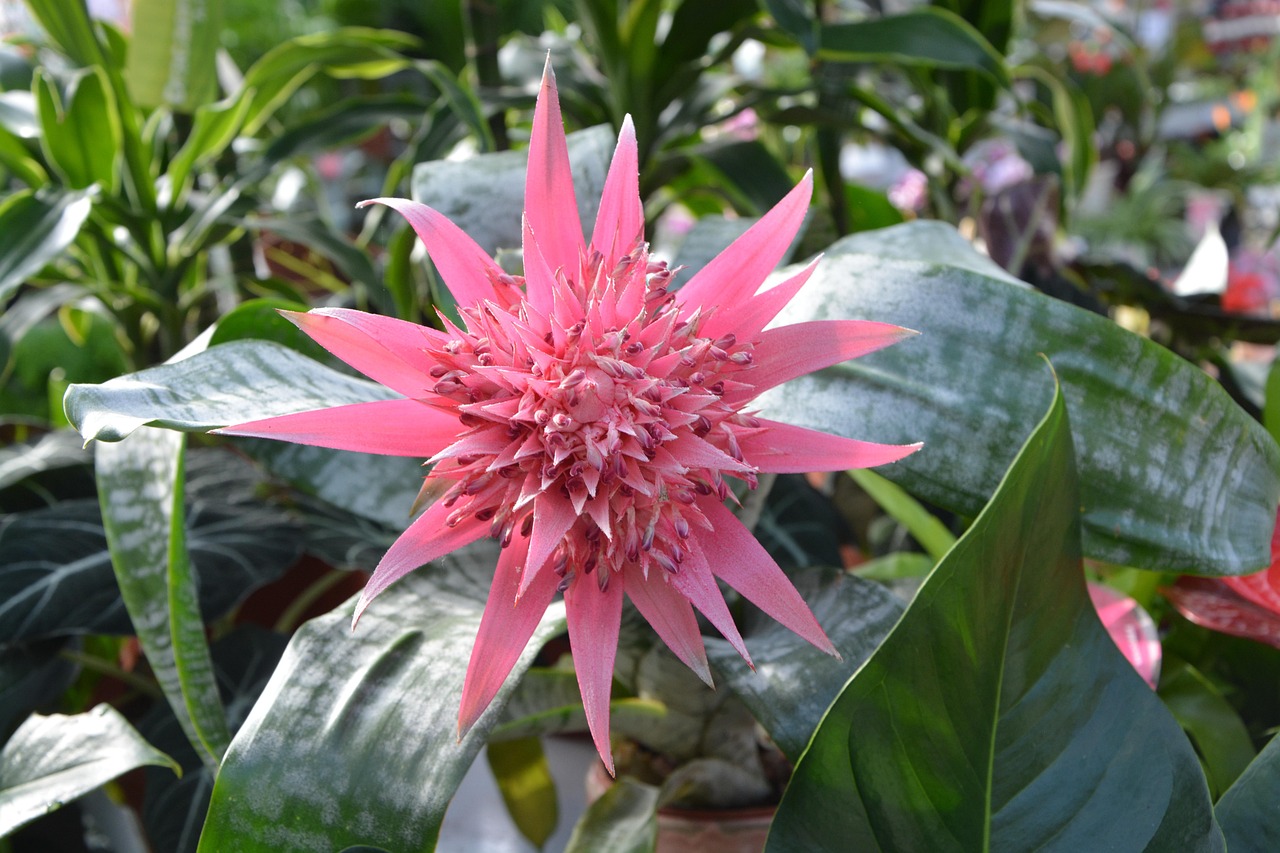

Watering a silver vase plant is a departure from the traditional methods used for most common houseplants. Because of its unique structural design, the plant has evolved to collect and store water in a central urn formed by its overlapping leaves. This reservoir is the primary way the plant stays hydrated in its natural environment, and you must respect this mechanism in your home care routine. Understanding the balance between the central tank and the root system is essential for maintaining a healthy and vibrant specimen.
The most important rule for watering this bromeliad is to always keep the central reservoir, also known as the tank, filled with water. In the wild, this tank captures rainfall and organic debris, providing a constant source of moisture and nutrients. In your home, you should fill the tank until the water is about halfway up the center of the rosette. Be careful not to overfill it so much that water is constantly sitting against the very base of the outer leaves.
Every two to three weeks, you should completely flush out the water in the central urn and replace it with fresh water. This prevents the buildup of bacteria, salt, and decaying organic matter that could lead to crown rot or unpleasant odors. Simply tip the plant over gently to empty the old water, then refill it with a clean source. This simple hygiene practice is one of the most effective ways to prevent health issues in your silver vase plant.
While the central tank is the primary focus, the potting medium should also receive a light watering occasionally. The roots of the silver vase plant do need some moisture, but they are very sensitive to being waterlogged. Water the substrate only when the top inch of the medium feels dry to the touch, and always ensure excess water drains away. Most growers find that watering the soil once every week or two is sufficient in a standard indoor environment.
The importance of water quality
The silver vase plant is particularly sensitive to the chemicals and minerals often found in municipal tap water. Chlorine, fluoride, and dissolved salts can accumulate on the leaves and inside the tank, causing unsightly brown spots or leaf tip burn. If possible, use collected rainwater or distilled water to fill the reservoir and water the potting medium. This mimics the purity of the rainfall the plant would receive in its native tropical habitat.
More articles on this topic
If you must use tap water, let it sit in an open container for at least twenty-four hours before using it on your plant. This allows some of the chlorine to dissipate and brings the water to room temperature, which is much better for the plant. Cold water straight from the tap can shock the tropical roots and may even cause the plant to drop its bloom prematurely. Consistency in water temperature and quality will lead to much healthier foliage and more vibrant colors.
Watch for white, crusty deposits forming around the edges of the central urn or on the leaf surfaces. These are mineral deposits left behind when water evaporates, and they can interfere with the plant’s ability to breathe. You can gently wipe these away with a damp cloth, but be careful not to scrub the silver scales off the leaves. Switching to a purer water source will usually prevent these deposits from recurring in the future.
In areas with very hard water, the mineral buildup can eventually become toxic to the plant’s delicate tissues. If you notice the center of your plant turning black or mushy, it may be a sign of chemical stress or bacterial infection from poor water quality. Always prioritize the cleanliness of the water you put into the heart of your silver vase plant. A little extra effort in sourcing clean water will pay off with a much longer lifespan for your bromeliad.
Fertilizing for growth and color
Feeding your silver vase plant requires a gentle touch and the right type of nutrients for an epiphyte. These plants are not heavy feeders, and over-fertilizing can do more harm than good by causing lanky growth or burning the leaves. A balanced, water-soluble fertilizer formulated for orchids or bromeliads is usually the best option for your routine. Always dilute the fertilizer to half or even a quarter of the strength recommended on the product packaging.
More articles on this topic
The best way to apply fertilizer is by spraying a very dilute solution directly onto the leaves and into the central urn. The plant is designed to absorb nutrients through its foliage, making foliar feeding highly effective for this species. You can also apply a small amount of the diluted solution to the potting medium during your regular watering schedule. Never place dry granular fertilizer directly into the central tank, as this will surely cause severe chemical burns.
Frequency is key, and most experts recommend fertilizing your silver vase plant once a month during the active growing season. This usually spans from the early spring through the end of the summer when light levels are at their highest. During the winter months, you should stop fertilizing altogether as the plant’s metabolism slows down significantly. Giving the plant a rest period allows it to maintain its natural rhythm and prevents the buildup of excess salts.
If you want to encourage your plant to bloom, you can slightly increase the phosphorus content of your fertilizer in the spring. However, remember that the silver vase plant will only bloom when it has reached maturity, regardless of how much fertilizer you provide. A healthy, well-fed plant will have thick, sturdy leaves and a deep, vibrant silver coating. Always monitor the plant’s reaction to any new feeding schedule and adjust accordingly if you see any signs of stress.
Managing moisture in different seasons
Seasonal changes in temperature and light have a direct impact on how quickly your silver vase plant uses water. During the hot summer months, evaporation happens much faster, and the plant’s growth is at its peak. You may need to check the central urn more frequently to ensure it doesn’t dry out completely during a heatwave. Keeping the tank filled is especially important if you keep your plant in a very bright or warm location.
In the winter, the combination of lower light and indoor heating creates a challenging environment for bromeliads. While the plant needs less water for growth, the dry air from heaters can cause the reservoir to evaporate surprisingly fast. Continue to keep the tank filled, but reduce the frequency of watering the potting medium to prevent root rot in the cooler soil. This balance is crucial for keeping the plant stable until the return of the spring growing season.
If you move your plant outdoors for the summer, you must be mindful of natural rainfall and how it affects the central tank. A heavy downpour can flush the tank naturally, but it can also lead to the soil becoming oversaturated if the pot doesn’t drain well. Check the plant after storms to ensure the reservoir hasn’t collected too much organic debris like falling leaves or twigs. Outdoor plants often need more frequent attention to keep their watering systems clean and functional.
Humidity remains a constant requirement regardless of the season, though it is often harder to maintain in the winter. Use all available methods, such as pebble trays and grouping plants, to keep the air around your silver vase plant moist. If the leaves start to curl inward or feel unusually thin, it is a sign that the plant is losing moisture faster than it can take it in. Adjust your watering and humidity strategies immediately to prevent long-term damage to the foliage.
Troubleshooting hydration and nutrition issues
Identifying problems early is the best way to save a silver vase plant that is struggling with its watering or feeding routine. If the center of the plant becomes soft, brown, or starts to smell bad, you are likely dealing with crown rot. This is often caused by leaving old, dirty water in the tank for too long or over-fertilizing the core. Stop watering immediately, flush the tank with clean water, and move the plant to a spot with better air circulation.
Yellowing leaves can be a sign of several different issues, ranging from too much direct sun to a lack of nitrogen. If the yellowing starts at the base and moves upward, it might indicate that the potting medium is staying too wet for too long. Check the drainage holes and ensure you are not letting the pot sit in a saucer of standing water. If the leaves are turning pale all over, a light application of a balanced fertilizer might be necessary to restore their health.
Brown, crispy leaf tips are the most common complaint among indoor bromeliad growers and are usually related to water quality or low humidity. While you can’t reverse the damage to the tips, you can prevent it from spreading by switching to distilled water and increasing moisture levels. Sometimes, high salt levels in the soil can also cause this, so flushing the potting medium with plenty of fresh water can help. Consistent care is the only way to ensure that new leaves grow in healthy and green.
Ultimately, the silver vase plant will tell you what it needs if you pay close attention to its appearance. A happy plant has rigid leaves that stand at a proud angle and a center that is always hydrated and clean. By mastering the unique art of tank watering and foliar feeding, you will be rewarded with a spectacular tropical display. Every plant is an individual, so be prepared to tweak your routine until you find the perfect balance for your specific home environment.