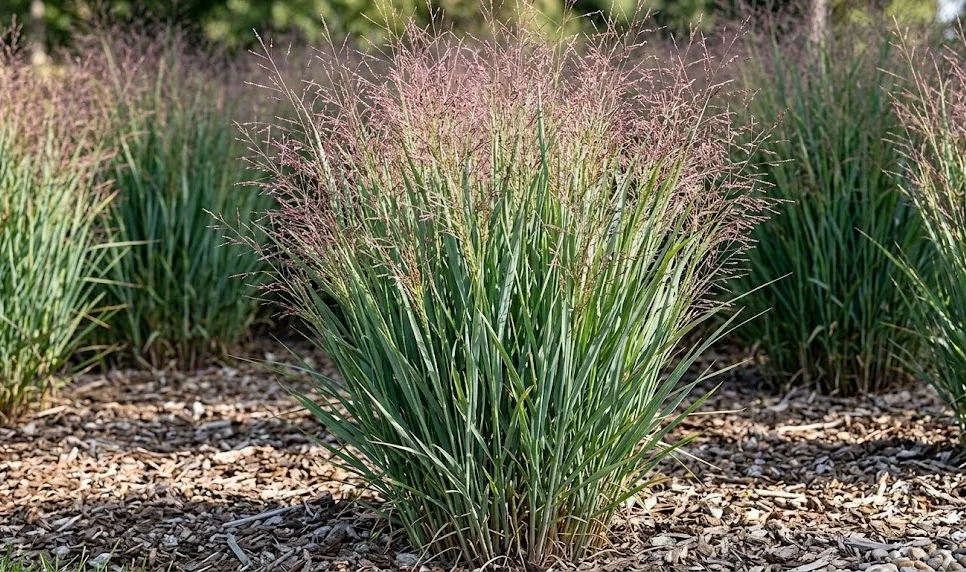

The management of water and nutrients is a fundamental aspect of maintaining the health and structural integrity of switchgrass. While this species is celebrated for its ability to survive in poor conditions, its performance in a landscape setting can be greatly enhanced through informed irrigation and fertilization practices. A professional approach involves balancing the plant’s needs without over-stimulating its growth, which can lead to aesthetic and structural problems. Understanding the relationship between these two factors is key to achieving a long-lived and beautiful ornamental grass display.
Establishing an irrigation strategy
Developing a consistent watering schedule is most critical during the first two years after planting when the grass is establishing its deep root system. Newly planted specimens do not yet have the capacity to search for moisture deep in the soil, making them vulnerable to dry spells. During this phase, it is important to provide deep, thorough waterings that encourage roots to grow downward rather than staying near the surface. Surface watering often leads to shallow roots that make the plant less resilient to future droughts.
As the plant matures, its need for supplemental irrigation decreases significantly due to its naturally high drought tolerance. Established switchgrass can often survive on natural rainfall alone in many temperate climates, provided the soil has reasonable moisture-holding capacity. However, during periods of extreme heat and prolonged lack of rain, even mature plants can benefit from occasional deep watering. This helps maintain the green color of the foliage and prevents the plant from entering an early state of dormancy.
The method of delivery is just as important as the frequency and amount of water provided to the plant. It is best to apply water directly to the base of the clump using a soaker hose or a drip irrigation system. This targeted approach ensures that the moisture reaches the roots where it is needed most while keeping the foliage dry. Overhead watering can sometimes encourage the development of leaf spot or other fungal diseases, especially if done in the late evening.
Environmental factors, such as wind and soil type, will influence how quickly the soil dries out and how much water is needed. Plants in sandy soils will require more frequent irrigation than those in heavy clay, as sand allows water to drain away very quickly. Windy sites can also increase the rate of transpiration from the leaves, leading to faster moisture loss from the plant. Observing the plant’s response to your specific local conditions will help you fine-tune your irrigation strategy over time.
More articles on this topic
Drought tolerance and water management
One of the greatest strengths of switchgrass is its exceptional ability to withstand periods of limited water availability. This resilience is due to its C4 photosynthetic pathway and a root system that can reach several feet into the earth. These biological adaptations allow the plant to continue growing and maintaining its structure even when other garden plants are wilting. This makes it an ideal choice for xeriscaping or for areas where water conservation is a high priority.
During a severe drought, the grass may show signs of stress, such as rolling its leaves or showing a slight change in foliage color. These are protective mechanisms designed to reduce moisture loss and protect the core of the plant from permanent damage. If these signs appear, a single deep watering can often provide enough relief to sustain the plant through the rest of the dry period. It is usually better to provide one large volume of water than several small, frequent doses.
In areas with high rainfall or heavy, poorly drained soils, the challenge may be managing excess water rather than a lack of it. While switchgrass is adaptable, it does not like to sit in saturated soil for extended periods, which can lead to root rot. Improving soil drainage through the addition of organic matter or by planting on slightly raised mounds can mitigate these risks. Choosing the right site initially is the most effective way to manage potential water-related issues in the long run.
The seasonal water requirements of the plant change as it moves through its annual growth cycle. In the spring, moisture is needed to fuel the rapid development of new stems and foliage from the dormant crown. During the peak of summer, water is used primarily for transpiration to keep the plant cool and maintain its physiological processes. By autumn, as the plant prepares for dormancy, its water needs decline significantly, and irrigation can usually be stopped entirely.
More articles on this topic
Nutritional requirements and soil fertility
Switchgrass is naturally adapted to soils with low to moderate fertility and does not require a heavy feeding regimen to look its best. In many garden soils, the existing nutrient levels are more than sufficient to support healthy and vigorous growth without additional help. Over-fertilizing is actually one of the most common mistakes made with this species, often resulting in more harm than good. A professional approach focuses on maintaining soil health rather than simply adding chemical fertilizers.
Nitrogen is the primary nutrient that influences the growth and color of the foliage, but it must be used with caution. Too much nitrogen causes the plant to grow too quickly, resulting in soft, weak stems that are unable to support the weight of the plant. This leads to the characteristic “flopping” that many gardeners find unattractive and difficult to correct once it has started. If the soil is naturally rich in organic matter, additional nitrogen is rarely necessary.
Phosphorus and potassium are also important for root development and overall plant resilience, but they are typically present in adequate amounts in most garden soils. A soil test is the only reliable way to determine if there is a genuine deficiency that needs to be addressed with amendments. If a test confirms a lack of specific minerals, a slow-release, balanced fertilizer can be applied in very small quantities. Organic options, such as compost or well-rotted manure, are generally preferred over synthetic products.
The overall goal of your fertility program should be to encourage a sturdy, self-supporting plant that can withstand the elements. Providing just enough nutrients to sustain healthy growth without pushing the plant beyond its natural limits is the mark of an expert gardener. This approach not only results in a better-looking plant but also reduces the amount of maintenance required throughout the year. Observation is key; if the plant looks healthy and stands tall, it likely has all the nutrients it needs.
Timing and application of fertilizer
If fertilization is determined to be necessary based on a soil test or poor plant performance, timing is absolutely crucial for success. The best time to apply any supplemental nutrients is in the early spring, just as the new growth is beginning to emerge. Applying fertilizer at this stage ensures that the nutrients are available when the plant is most active and can use them most effectively. Avoid fertilizing in late summer or autumn, as this can stimulate new growth that won’t have time to harden off before winter.
When applying granular fertilizer, it should be spread evenly around the base of the plant rather than concentrated in one spot. It is important to avoid getting the granules stuck in the center of the crown or against the stems, as this can cause localized burning. After application, the area should be watered thoroughly to help dissolve the fertilizer and move it down into the root zone. This ensures the nutrients are accessible to the plant and reduces the risk of surface runoff.
For a more natural and gentle approach, a thin layer of compost can be applied to the soil surface around the plants each spring. This practice improves the soil structure over time and provides a slow, steady release of nutrients as the organic matter breaks down. It also supports a healthy population of soil microorganisms, which are essential for nutrient cycling and plant health. This “top-dressing” method is often all that is needed to keep switchgrass thriving for many years.
In agricultural or large-scale restoration projects, fertilization is often skipped entirely to favor the switchgrass over more nutrient-hungry weeds. This competitive advantage is one of the reasons the species is so successful in natural environments and low-maintenance landscapes. For the home gardener, adopting a “less is more” philosophy regarding fertilization will almost always result in a more attractive and stable plant. Consistent monitoring will help you decide if and when any intervention is truly required.
Identifying signs of over-fertilization
Recognizing the symptoms of excessive nutrient application is an important skill for maintaining a professional-looking garden display. The most obvious sign of over-fertilization in switchgrass is a loss of its upright habit and a tendency for the stems to lodge or fall over. While some cultivars are more prone to this than others, excessive nitrogen is almost always the culprit when a normally sturdy plant begins to flop. This soft growth is also more attractive to certain pests and more susceptible to diseases.
Another sign of too much fertilizer can be a change in the color and quality of the foliage. While a deep green color is usually desired, unnaturally dark or overly lush leaves can indicate a nutrient imbalance that may weaken the plant’s overall structure. In some cases, high levels of certain salts from synthetic fertilizers can cause the edges of the leaves to brown or “burn.” This damage is permanent for the current growing season and can reduce the aesthetic value of the grass.
If you suspect your switchgrass has been over-fertilized, the best course of action is to stop all further applications and allow the plant to use up the excess nutrients. Deep watering can help leach some of the excess salts and nitrogen out of the root zone, though this should be done carefully to avoid waterlogging the soil. In the following year, skip fertilization entirely to allow the plant to return to its natural, sturdier growth pattern. Correcting the soil balance is a slow process that requires patience and observation.
Ultimately, the most successful switchgrass displays are those where the plants are grown in a way that mimics their natural environment. By providing moderate amounts of water and minimal nutrients, you encourage the plant to develop its inherent strength and beauty. A professional gardener understands that the goal is not maximum growth, but rather the most balanced and resilient growth possible. This philosophy ensures that your switchgrass remains a highlight of the garden with minimal effort and intervention.