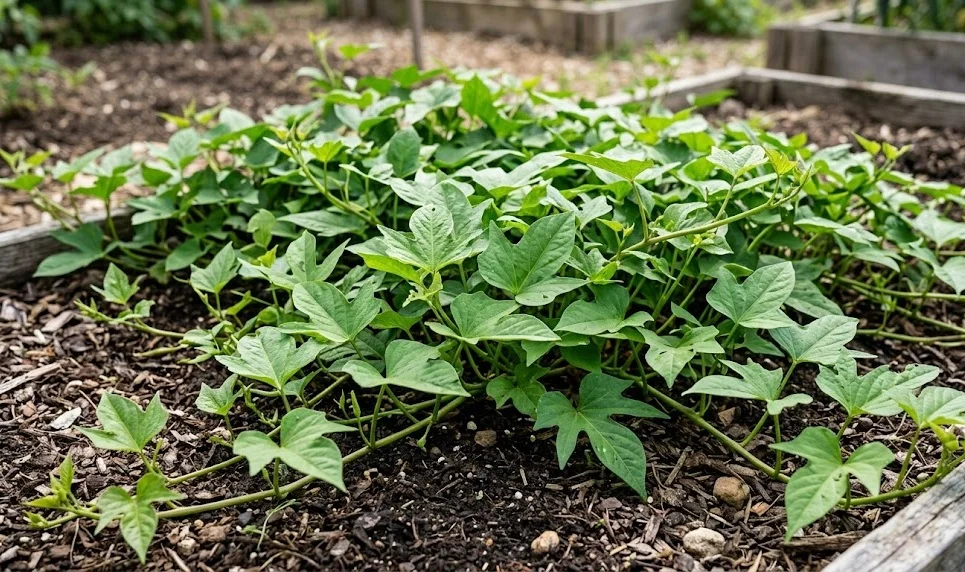

Providing the right amount of hydration and nutrition is the secret to producing sweet potatoes that are both large in size and rich in flavor. These plants are surprisingly drought-tolerant once established, but they still require a consistent supply of water to develop the heavy tubers we all desire. Understanding the specific timing of these inputs is just as important as the quantities you provide throughout the long growing season. When you master the balance of water and fertilizer, you will notice a significant improvement in both the vigor of the vines and the quality of the harvest.
The watering needs of sweet potatoes vary significantly depending on their stage of development and the prevailing weather conditions. In the early weeks after planting, the focus should be on keeping the top few inches of soil moist to help the tender slips establish their roots. As the plants mature and the vines begin to cover the ground, you can transition to deeper, less frequent watering sessions that encourage roots to grow further into the earth. This deep-rooting behavior makes the plants more resilient during the hottest and driest parts of the summer.
During the peak of the growing season, you should aim for about an inch of water per week, either from rainfall or supplemental irrigation. It is always better to water in the early morning so that any moisture on the leaves can dry quickly in the sun, reducing the risk of fungal diseases. Avoid watering in the late evening, as damp foliage overnight is a primary invitation for mold and mildew to take hold. Consistency is your best friend here, as alternating between bone-dry and saturated soil can cause the tubers to crack or develop uneven textures.
As the harvest approaches in the late summer or early autumn, you should begin to scale back your watering efforts significantly. This period of reduced moisture helps the plant to concentrate sugars in the roots and allows the skin of the potatoes to set properly for storage. If the soil remains too wet during the final weeks, the tubers may become waterlogged, which negatively impacts their flavor and shortens their shelf life. Observing the natural progression of the season will tell you exactly when to put the hose away and let nature take its course.
Irrigation methods and efficiency
Choosing the right method to deliver water to your sweet potato patch can save you a tremendous amount of time and resources. Drip irrigation is widely considered the gold standard because it delivers water directly to the soil surface right where the roots need it most. This method minimizes evaporation and keeps the foliage dry, which is a major advantage for maintaining overall plant health. Many gardeners find that setting up a simple drip system with a timer takes the guesswork out of daily maintenance and ensures a steady supply of hydration.
More articles on this topic
If you prefer a more traditional approach, using a soaker hose buried under a layer of mulch is another highly effective way to water your crop. The mulch helps to distribute the water evenly across the bed and prevents the soil from washing away or forming a hard crust. You should check the moisture level by sticking your finger into the soil near the base of the plant to ensure the water is penetrating deeply enough. A slow, steady soak is always more effective than a quick blast from a high-pressure hose, which often just runs off the surface.
For those with smaller garden plots, manual watering with a large can or a soft-spray wand allows for a more personal connection with each plant. This hands-on approach gives you the opportunity to inspect the vines for pests or diseases while you are performing your daily chores. You should focus the stream of water at the base of the stems, avoiding the leaves as much as possible to keep them healthy. While more labor-intensive, manual watering ensures that each section of the bed receives exactly the amount of attention it needs.
Regardless of the method you choose, the goal is always to maintain a stable environment within the soil profile. You can monitor the effectiveness of your irrigation by observing the growth rate of the vines and the color of the leaves throughout the summer. If you see signs of stress, such as wilting or leaf drop, it is a clear indication that your current system needs adjustment. Being flexible and responsive to the needs of your plants will ultimately lead to a more successful and satisfying gardening experience.
Nutrient requirements and soil health
Sweet potatoes are moderate to heavy feeders that require a balanced range of nutrients to produce their characteristic starchy tubers. Nitrogen is essential for the early development of lush green vines, which serve as the energy factory for the entire plant. However, you must be careful not to over-apply nitrogen, as this can result in massive, beautiful foliage but very small and disappointing potatoes. A balanced approach that includes plenty of phosphorus and potassium is necessary to shift the plant’s focus toward root development later in the season.
More articles on this topic
Potassium is perhaps the most important nutrient for root crops, as it plays a key role in sugar transport and the overall quality of the tubers. You should look for fertilizers that have a higher middle and last number on the N-P-K scale to ensure your plants are getting what they need. Adding wood ash or greensand to your soil in the spring is a great way to provide a slow-release source of potassium throughout the summer. These natural amendments also help improve the overall structure and mineral content of your garden soil.
Phosphorus is another critical element that supports strong root growth and helps the plant establish a robust foundation early on. Bone meal or rock phosphate are excellent organic options that can be incorporated into the planting mounds before the slips are set. These nutrients move very slowly through the soil, so placing them directly in the root zone is the most effective way to ensure the plants can access them. A healthy supply of phosphorus ensures that the sweet potatoes have the energy they need to expand and mature over the long growing months.
In addition to these primary macronutrients, sweet potatoes also benefit from a range of micronutrients like magnesium, boron, and calcium. Using a well-composted organic matter is often the best way to provide these minor but essential elements to your garden. Compost acts as a biological sponge, holding onto nutrients and releasing them slowly as the plants grow and the soil microbes do their work. Building healthy, living soil is a long-term investment that pays off in the form of healthier plants and more nutritious food for your table.
Organic vs. inorganic fertilization
Deciding between organic and inorganic fertilizers is a personal choice that often depends on your gardening philosophy and the specific needs of your soil. Organic fertilizers, such as composted manure, kelp meal, and fish emulsion, work by feeding the soil organisms which then feed the plants. This holistic approach builds long-term soil fertility and improves the ground’s ability to hold onto water and air. While they may act more slowly than chemical options, organic inputs provide a more stable and sustainable environment for your sweet potatoes.
Inorganic or synthetic fertilizers are highly concentrated and provide nutrients in a form that is immediately available to the plant’s roots. These can be very useful for correcting a severe deficiency quickly or for giving the plants a boost during a critical growth phase. However, you must be extremely careful with application rates, as the salts in these products can easily damage the delicate roots or the surrounding soil biology. Over-reliance on synthetic fertilizers can lead to a “lazy” soil ecosystem that depends entirely on human intervention to stay productive.
Many professional growers find that a hybrid approach works best, using organic matter as the base and supplementing with targeted synthetic inputs when necessary. For example, you might start the season with a heavy layer of compost and then use a liquid fertilizer once or twice during the summer to support tuber expansion. This strategy combines the soil-building benefits of organic gardening with the precision and speed of modern agricultural products. The key is to monitor your plants closely and let their appearance guide your fertilization decisions.
Whichever path you choose, always follow the instructions on the product label and avoid the temptation to add “just a little bit more” for good measure. Excess fertilizer can leach out of the soil and contaminate local waterways, or it can lead to an accumulation of salts that eventually becomes toxic to your plants. Sustainable gardening is all about finding the right balance that supports the health of the entire ecosystem while still achieving your production goals. By treating your soil with respect and care, you ensure that it will continue to provide for you for many seasons to come.
Identifying nutrient deficiencies and excesses
Being able to read the “language” of your sweet potato leaves will help you diagnose and correct nutrient issues before they become major problems. A nitrogen deficiency usually shows up as a general paling or yellowing of the older leaves at the base of the vine. If you see this, a light application of a nitrogen-rich liquid fertilizer or a compost tea can often bring the green color back within a few days. On the other hand, if the leaves are exceptionally dark green and the vines are growing out of control with no tubers in sight, you have likely overdone the nitrogen.
Phosphorus deficiency is often characterized by a purplish tint on the underside of the leaves or along the stems, particularly during cooler weather. This can be more common in the early spring when the soil is still cold and the roots are unable to absorb the nutrient effectively. As the ground warms up, the problem often resolves itself, but a boost of water-soluble phosphorus can help the plants along. Stunted growth and poor root development are the long-term consequences of leaving a phosphorus deficiency unaddressed throughout the summer.
Potassium issues are frequently seen as yellowing or browning along the edges of the leaves, which then progresses inward toward the center of the foliage. Since sweet potatoes are such heavy users of potassium, this is a common problem in older garden beds that haven’t been adequately amended. Adding a potassium-rich fertilizer or some sulfate of potash can help arrest the symptoms and support the developing tubers. Maintaining adequate levels of this nutrient is essential for achieving the sweet, rich flavor that we associate with high-quality sweet potatoes.
Finally, keep an eye out for signs of micronutrient imbalances, which can sometimes manifest as distorted new growth or strange spotting on the leaves. Magnesium deficiency, for instance, often appears as yellowing between the veins while the veins themselves remain green. A small amount of Epsom salts dissolved in water can provide a quick source of magnesium if you suspect this is the issue. Understanding these visual cues makes you a much more effective gardener and allows you to provide the precise care your sweet potatoes need to truly excel.