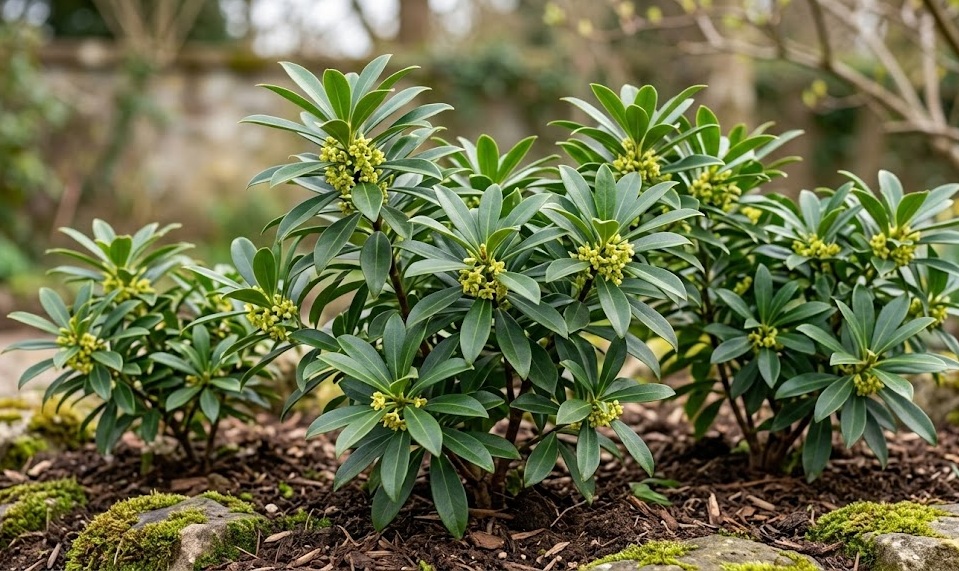

The vitality of an evergreen shrub is often determined by the consistency and quality of the resources it receives from its environment. For spurge-laurel, managing water and nutrients is a delicate task that requires an understanding of its slow metabolism and forest-floor origins. Unlike fast-growing garden plants, this shrub does not demand constant attention, but it does require precision when intervention is necessary. Proper hydration and strategic feeding are the keys to maintaining the deep, glossy green of its foliage and the health of its root system.
Establishing a reliable watering routine is the first step in ensuring the long-term health of the plant. While the shrub is relatively drought-tolerant once it is mature, it prefers a soil that stays consistently moist without becoming waterlogged. You should monitor the weather patterns and adjust your irrigation frequency to compensate for periods of high heat or lack of rainfall. Understanding the signs of water stress will allow you to provide moisture exactly when the plant needs it most.
Fertilization should be approached with a “less is more” philosophy to avoid disrupting the natural growth rate of the shrub. This species is adapted to nutrient-poor environments and can be sensitive to the salt buildup often found in synthetic fertilizers. By using organic amendments and slow-release products, you can provide a steady stream of minerals that support the plant’s structural integrity. A well-nourished plant is better equipped to handle environmental stressors and resist attacks from pests.
The timing of these interventions is just as important as the materials used to perform them. Watering should ideally take place in the early morning to allow the foliage to dry before the sun becomes too intense. Similarly, fertilizers are most effective when applied at the start of the active growing season when the roots are most receptive to taking up nutrients. Following a seasonal calendar for these tasks ensures that the shrub receives the right care at the right time throughout the year.
Establishing a watering routine
Determining the water needs of your shrub starts with a physical check of the soil moisture levels around the root zone. You can use your finger or a moisture meter to see if the top few centimeters of soil have dried out before adding more water. If the soil feels damp, it is best to wait a few more days to avoid over-saturating the earth. This careful approach prevents the development of root rot, which is one of the few serious threats to this hardy species.
More articles on this topic
The method of watering is just as important as the frequency to ensure the moisture reaches the deep roots. It is much better to provide a long, deep soak once a week than to give the plant frequent, shallow sprinkles of water. Deep watering encourages the roots to grow further down into the soil, making the shrub more resilient during periods of dry weather. Using a soaker hose or a drip irrigation system can provide a slow and efficient delivery of water directly to the base of the plant.
Environmental factors like wind and humidity also play a significant role in how quickly the soil loses its moisture. Plants located in breezy areas or near heat-reflecting walls will require more frequent checks than those in sheltered, shaded corners. During the height of summer, you may find that the plant needs supplemental water every few days to maintain its glossy appearance. Paying attention to these microclimates within your garden will help you tailor your watering routine to the specific needs of each specimen.
As the plant matures, its reliance on supplemental watering will decrease as its root system becomes more extensive. Older, established shrubs can often survive on natural rainfall alone, except during extreme or prolonged droughts. However, even a mature plant will benefit from a deep drink during a particularly dry autumn to ensure it enters the winter with full hydration. This long-term perspective on watering allows you to reduce your maintenance efforts as the garden becomes more self-sufficient over time.
Impact of drought and heat stress
While this shrub is known for its resilience, prolonged periods of drought can lead to visible signs of stress and long-term health issues. One of the first indicators of dehydration is a loss of turgor pressure in the leaves, causing them to look dull or slightly droopy. If the water shortage continues, the edges of the leaves may begin to turn brown or develop dry, crispy patches. Recognizing these early warning signs allows you to intervene before the damage becomes permanent or structural.
More articles on this topic
Extreme heat can exacerbate the effects of drought by increasing the rate of transpiration from the leaves. In these conditions, the plant may lose water faster than its roots can take it up, even if the soil is technically moist. Providing temporary shade during the hottest part of the day can help reduce this thermal stress and protect the foliage from burning. Mulching is particularly effective during heatwaves, as it insulates the soil and prevents the root zone from reaching dangerously high temperatures.
Recovery from severe drought stress can be a slow process for a plant with a low metabolic rate like the spurge-laurel. If a shrub has been badly affected, you should avoid pruning or fertilizing it immediately, as these actions can put further strain on the plant. Instead, focus on providing consistent, gentle moisture and allowing the plant to stabilize its internal water balance naturally. It may take a full growing season for the shrub to regain its original vigor and replace any damaged foliage.
Climate change and shifting weather patterns mean that gardeners must be more vigilant about monitoring for drought even in regions where it was previously rare. Incorporating water-retaining organic matter into the soil is a proactive way to build a buffer against future dry spells. Choosing planting locations that are naturally sheltered from the drying effects of the afternoon sun is another strategic decision that pays off during difficult years. Resilience starts with smart planning and a deep understanding of the plant’s physiological limits.
Nutrient selection and soil health
Selecting the right fertilizer for your shrub involves looking for a balance of nitrogen, phosphorus, and potassium that supports steady growth. A balanced, all-purpose organic fertilizer is usually sufficient to meet the basic needs of the plant without causing excessive stimulation. Look for products that include trace elements like magnesium and iron, which are vital for maintaining the dark green color of the evergreen leaves. Using organic sources ensures that the nutrients are released slowly as the soil microbes break them down.
Soil health is the foundation upon which the effectiveness of any fertilizer is built. A soil that is rich in organic matter and beneficial microorganisms will hold onto nutrients much more effectively than a sterile, sandy soil. You can improve the local environment by regularly top-dressing with well-rotted leaf mold or composted bark. This practice not only provides nutrients but also improves the soil structure, allowing for better air and water movement around the roots.
The pH level of the soil significantly influences the availability of minerals to the plant. If the soil is too acidic, the shrub may struggle to take up calcium and magnesium, even if they are present in the ground. Conversely, very alkaline conditions can lock up iron, leading to a condition known as chlorosis. Periodic soil testing is a professional habit that allows you to make informed decisions about whether you need to adjust the pH or add specific nutrients to your garden.
Synthetic fertilizers should be used with caution, as their high salt content can be damaging to the sensitive mycorrhizal fungi that live in association with the roots. These fungi play a crucial role in helping the plant absorb phosphorus and water from the soil. If you do choose to use synthetic products, always apply them at half the recommended strength and water them in thoroughly to prevent root burn. Transitioning toward a more organic-based feeding program is generally better for the long-term health of the entire garden ecosystem.
Timing for fertilizer application
The best time to feed your shrub is in the early spring, just as the new growth buds begin to swell. This timing ensures that the nutrients are available in the soil exactly when the plant’s metabolic activity is at its peak. A single application of a slow-release fertilizer at this time is usually enough to support the shrub for the entire year. Avoid fertilizing in late summer or autumn, as this can encourage a flush of new growth that will not have time to harden before the first frost.
During the flowering period, the plant’s energy is focused on reproduction, and it has a slightly higher demand for phosphorus and potassium. If your soil is particularly poor, a light application of a liquid seaweed extract can provide a quick boost of these minerals without the risk of over-stimulating the stems. This can help ensure a strong display of flowers and healthy fruit development later in the season. Always apply liquid fertilizers to moist soil to prevent the concentrated minerals from shocking the root system.
Winter is a time of dormancy for the shrub, and no fertilizer should be applied during the cold months. The roots are not actively taking up nutrients at this time, so any minerals added to the soil will likely be washed away by winter rains. This leaching can lead to environmental pollution in local waterways and is a waste of resources for the gardener. Respecting the natural cycles of the plant is a fundamental principle of professional horticultural care.
If you have recently transplanted a shrub, you should wait at least one full growing season before applying any strong fertilizers. The young plant needs to focus its energy on establishing a functional root system in its new environment rather than producing top growth. A mulch of organic compost is the best way to support a newly planted specimen, as it provides a very gentle source of nutrition without the risk of burning the recovering roots. Patience during the establishment phase leads to a much stronger and more resilient plant in the future.
Root health management
The health of the root system is often invisible to the gardener but is the most important factor in the overall performance of the shrub. Healthy roots are firm and light-colored, indicating that they are actively absorbing water and minerals from the soil. You can support root health by ensuring that the soil remains well-aerated and free from heavy compaction. Avoid walking frequently over the root zone of the plant, especially when the ground is wet and most susceptible to being squashed.
Poor drainage is the primary cause of root problems, as it leads to anaerobic conditions where harmful pathogens can thrive. If the roots are starved of oxygen, they will begin to die back, and the plant will show signs of decline in its upper foliage. If you suspect drainage issues, you may need to lift the plant and improve the soil with grit or organic matter before replanting it. In extreme cases, creating a raised bed or a slight mound can help keep the roots above the water table during wet seasons.
Fungal associations, specifically mycorrhizae, are vital partners for the spurge-laurel’s root system. These beneficial fungi extend the reach of the roots and help the plant navigate difficult soil conditions more effectively. You can encourage these fungi by avoiding the use of heavy chemical fungicides and maintaining a healthy level of organic matter in the soil. Some gardeners choose to add commercial mycorrhizal inoculants during planting to give their shrubs the best possible start in the garden.
Regularly inspecting the base of the plant for any signs of physical damage or girdling roots is a good maintenance habit. Girdling roots are those that grow in a circular pattern around the main stem, eventually strangling the plant as it grows larger. If you find such roots on a young plant, they should be carefully cut or redirected to prevent long-term structural issues. By maintaining a healthy and expansive root system, you provide the shrub with the solid foundation it needs to thrive for many decades.