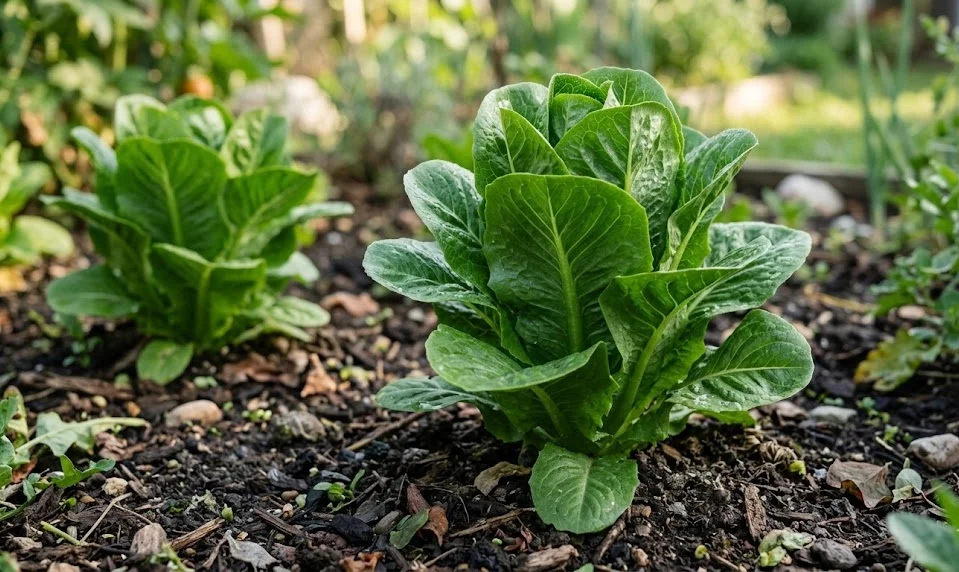

Providing a steady and reliable supply of water is one of the most important factors in growing high-quality romaine lettuce. These plants have a high water content and shallow root systems, making them very sensitive to even short periods of drought. You should aim to keep the soil consistently moist to a depth of at least six inches for the best results. When the moisture levels fluctuate wildly, the lettuce may become stressed and develop a bitter flavor that is unpleasant to eat.
The best time of day to water your garden is in the early morning before the sun becomes too intense. This timing allows the water to soak deep into the ground and reach the roots where it is needed most. It also gives the foliage plenty of time to dry off during the day, which helps to prevent fungal diseases. Avoid watering in the evening if possible, as wet leaves overnight can invite a variety of garden problems.
During periods of hot or windy weather, you may find that your lettuce needs to be watered more frequently than usual. You should check the soil every day by sticking your finger into the earth to see how dry it feels. If it feels dry even an inch below the surface, it is time to give your plants a thorough soaking. Do not wait for the plants to show signs of wilting before you decide to provide them with hydration.
Drip irrigation or soaker hoses are excellent tools for delivering water directly to the base of your romaine plants. These systems minimize water waste from evaporation and keep the leaves dry, which is ideal for maintaining plant health. If you are using a manual hose or a watering can, try to direct the stream of water toward the ground rather than over the top of the foliage. This simple adjustment can go a long way in keeping your lettuce patch healthy and productive.
Deep watering benefits and techniques
Deep watering encourages the roots of your romaine lettuce to grow further down into the soil in search of moisture. This results in a stronger and more resilient plant that can better withstand occasional periods of dry weather. Instead of light daily sprinkles, it is often better to provide a more significant amount of water a few times a week. This method ensures that the moisture reaches the deeper layers of the soil where it can be stored for longer.
More articles on this topic
To achieve a deep soak, you should apply water slowly so that the ground has time to absorb it without any runoff. If you see water pooling or running away from the base of the plant, you are applying it too quickly. You can use a slow-trickle setting on your hose or a dedicated irrigation system to manage the flow effectively. Patience is key when you are trying to hydrate the soil thoroughly and reach every part of the root zone.
The type of soil you have in your garden will influence how you approach the deep watering process. Sandy soils drain very quickly and may need more frequent applications of water to keep the plants happy and healthy. Clay soils, on the other hand, hold onto moisture for much longer but can be difficult to re-wet once they have dried out completely. Understanding your specific soil type will help you tailor your watering schedule to the needs of your romaine.
Using a layer of mulch in conjunction with deep watering is a winning combination for any vegetable gardener. The mulch prevents the surface of the soil from drying out and cracking, which helps to keep the moisture where it belongs. It also reduces the impact of heavy rain, allowing the water to filter slowly through the organic material and into the earth. By protecting the soil surface, you ensure that your deep watering efforts are as effective as possible.
Nutrient requirements for leafy greens
Romaine lettuce is a heavy feeder that requires a good supply of nutrients to produce its large and crisp leaves. Nitrogen is the most important element for leafy vegetables, as it promotes the lush green growth that we all desire. However, it is important to provide a balanced diet that also includes phosphorus and potassium for overall plant health. A well-nourished plant is not only more productive but also better equipped to defend itself against pests and diseases.
More articles on this topic
You should consider applying a balanced fertilizer at the time of planting to give your young lettuce a strong start. This initial boost provides the essential elements needed for early root development and the first stages of leaf production. You can use a granular fertilizer worked into the soil or a liquid version watered in around the base of the seedlings. Always follow the manufacturer’s instructions regarding application rates to avoid over-fertilizing your delicate plants.
As the lettuce grows and begins to form its characteristic upright head, it may benefit from an additional feeding. This process, often called side-dressing, involves applying a small amount of fertilizer near the plants but not directly on them. This secondary application provides a burst of energy that helps the plant finish its growth cycle with vigor and strength. Look for signs of yellowing leaves, which can sometimes indicate that the nitrogen in the soil is running low.
The overall health of your soil will determine how much supplemental fertilizer you need to provide throughout the season. Soil that is rich in organic matter and has a high microbial activity will naturally provide many of the nutrients your plants need. Regularly adding compost to your garden beds is one of the best ways to build long-term fertility and reduce your reliance on chemical products. A healthy soil ecosystem is the key to growing professional-quality vegetables year after year.
Organic fertilization options for gardeners
Many professional and hobbyist gardeners prefer to use organic fertilizers because they are gentle on the environment and improve soil health. Compost is perhaps the most versatile organic option, as it provides a wide range of nutrients and improves soil structure at the same time. You can use your own kitchen and garden scraps to create high-quality compost right in your backyard. Spreading a thick layer of compost over your planting beds is a great way to feed your romaine naturally.
Fish emulsion and seaweed extracts are popular liquid organic fertilizers that can be applied directly to the soil or used as a foliar spray. These products are quickly absorbed by the plants and provide a variety of trace minerals and growth-promoting substances. They are particularly useful for giving young transplants a gentle boost during the critical first few weeks in the garden. Because they are liquid, it is easy to control the concentration and ensure even distribution among your plants.
Manure from herbivores, such as cows, horses, or chickens, is another excellent source of nitrogen for your leafy greens. However, it is crucial that the manure is well-aged or composted before it is applied to your garden beds. Fresh manure can be too strong for delicate lettuce roots and may also contain unwanted pathogens or weed seeds. Using properly treated manure ensures that you are adding beneficial nutrients without any of the potential risks.
Blood meal and bone meal are concentrated organic amendments that can be used to target specific nutrient needs in your garden. Blood meal is very high in nitrogen and is excellent for encouraging rapid leaf growth in romaine lettuce. Bone meal provides a good source of phosphorus, which is essential for strong root systems and overall plant energy. These granular products should be worked into the soil before planting or used sparingly as a top-dressing during the season.
Signs of nutrient and water imbalance
Learning to read the visual cues of your romaine lettuce will help you identify when something is wrong with its diet or hydration. One of the most common signs of water stress is the browning of the leaf edges, which is often referred to as tipburn. This condition occurs when the plant cannot transport enough calcium to the outer edges of the leaves due to inconsistent moisture. Keeping the soil evenly damp is the best way to prevent this unsightly and frustrating problem from occurring.
Yellowing of the older, lower leaves can be a classic symptom of nitrogen deficiency in your vegetable garden. If the plant does not have enough nitrogen to support its new growth, it will move the nutrient from the older leaves to the younger ones. This process causes the bottom leaves to lose their green color and eventually turn brown and fall off. If you notice this pattern, it is a clear sign that your plants would benefit from a light application of nitrogen-rich fertilizer.
Over-watering can be just as damaging as under-watering and often leads to root rot or other soil-borne diseases. If your lettuce looks wilted even though the soil is very wet, the roots may be struggling to breathe in the saturated earth. Yellowing of the entire plant can also be a sign that the soil is too wet and the roots are starting to fail. Improving drainage and adjusting your watering schedule are necessary steps to save a crop that has been given too much water.
Slow or stunted growth can be a sign that the soil is lacking in essential minerals or that the pH level is out of balance. If your plants seem to be sitting still while others around them are thriving, it might be time to investigate the condition of your garden bed. A lack of phosphorus can lead to dark green or purplish leaves and a generally weak appearance. Being observant and proactive will help you correct these imbalances before they significantly impact your total harvest.