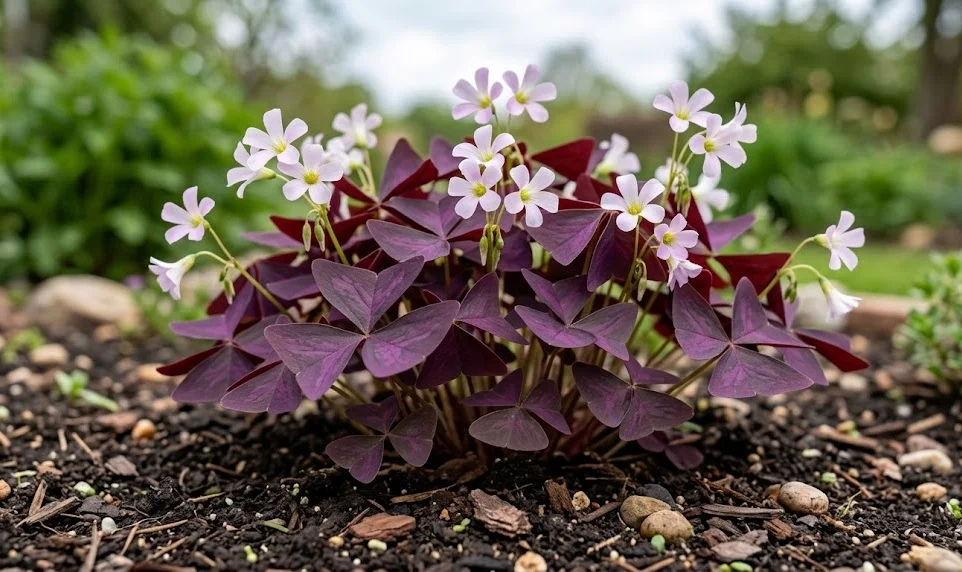

Mastering the hydration and nutritional needs of wood sorrel is essential for maintaining its delicate balance and preventing common physiological stressors. These plants have specific preferences that differ from many common ornamentals, primarily due to their bulbous nature and distinct periods of activity and rest. Providing too much or too little of either water or nutrients can quickly lead to a decline in health and aesthetic value. A professional approach involves observing the plant’s signals and adjusting inputs based on the current stage of its life cycle and environmental conditions.
Fundamentals of hydration
The primary rule for watering wood sorrel is to allow the top few centimeters of soil to dry out between applications. Because the plant stores water and energy in its underground bulbs or tubers, it is relatively drought-tolerant for short periods but highly susceptible to rot if kept constantly wet. When you do water, it should be done thoroughly, ensuring that moisture reaches the entire root zone and exits through the drainage holes. This “soak and dry” method encourages deep root growth and prevents the buildup of harmful salts in the substrate.
Water quality is an often overlooked factor that can impact the health of the foliage over time. Wood sorrel can be sensitive to high levels of chlorine or fluoride often found in municipal tap water, which may cause the leaf tips to turn brown. If possible, use rainwater or filtered water, or let tap water sit out for 24 hours to allow some of the chemicals to dissipate before use. Maintaining a consistent water temperature, ideally at room temperature, also prevents shocking the sensitive root system during the application process.
The method of delivery is just as important as the frequency and quality of the water used. Avoiding getting water on the leaves and flowers helps prevent fungal issues and spotting, especially in humid indoor environments. Aim the watering can directly at the soil surface or use a bottom-watering technique by placing the pot in a shallow tray of water for 20 minutes. Bottom-watering ensures the root ball is evenly hydrated without compacting the surface soil or saturating the crown of the plant where rot often starts.
Observation is the best tool for determining when a plant needs moisture, as fixed schedules often fail to account for changing environmental conditions. If the leaves look slightly dull or begin to droop more than usual during the day, it is often a sign that the plant is thirsty. However, always double-check the soil moisture with your finger before adding more water to ensure you aren’t misinterpreting signs of overwatering. Developing a “feel” for the weight of the pot when it is dry versus when it is wet is another professional technique for monitoring hydration needs.
More articles on this topic
Seasonal adjustments in watering
During the peak growing season, usually in spring and summer, the plant’s demand for water is at its highest due to rapid foliage production and flowering. As temperatures rise and daylight increases, the rate of transpiration speeds up, requiring more frequent checks on the soil moisture levels. It is during this time that the plant is most active and can benefit from a consistent supply of moisture to support its metabolic processes. However, even in heat, the fundamental rule of avoiding waterlogged soil remains the absolute priority for bulb health.
As the plant transitions into its dormant phase, the watering routine must be drastically altered to avoid a catastrophic loss of the bulbs. When you notice the leaves beginning to yellow and die back naturally, you should immediately start reducing the frequency and amount of water provided. Once the foliage has completely withered, the soil should be allowed to remain almost entirely dry for the duration of the rest period. This dry spell is crucial because it mimics the natural environmental cues the plant needs to prepare for its next cycle of growth.
Reviving the plant after dormancy requires a careful and gradual reintroduction of moisture to stimulate new growth. Once you see the very first signs of green sprouts emerging from the soil, start by providing small amounts of water to hydrate the surrounding medium. Avoid the temptation to flood the pot immediately, as the emerging shoots and developing roots are still quite delicate and can easily rot if overwhelmed. As the foliage expands and the plant becomes more established, you can slowly return to your regular “soak and dry” watering routine.
Outdoor plants are subject to the whims of the weather, which can make managing their hydration more complex than for indoor specimens. During periods of heavy rain, ensure that the drainage is functioning perfectly and move container plants to a sheltered spot if necessary. Conversely, in times of extreme drought, supplemental watering will be required to keep the bulbs from desiccating completely in the parched earth. Mulching around the base of the plants can help stabilize soil moisture levels and protect the bulbs from rapid drying out during hot, windy days.
More articles on this topic
Essential nutritional requirements
Wood sorrel does not require heavy fertilization to thrive, but a targeted approach to nutrition can significantly improve the quality of its foliage and flowers. A balanced, water-soluble fertilizer with an equal ratio of nitrogen, phosphorus, and potassium (such as a 10-10-10 or 20-20-20 mix) is generally sufficient for most varieties. Nitrogen supports the development of lush, colorful leaves, while phosphorus is essential for strong root systems and vibrant floral displays. Potassium aids in overall plant resilience and the efficient movement of water and nutrients through the tissues.
The frequency of fertilization should be limited to the periods of active growth when the plant can actually utilize the added nutrients. A common professional recommendation is to apply a diluted fertilizer solution every four to six weeks during the spring and summer months. Using the fertilizer at half or even quarter strength is often better than applying the full dose, as it reduces the risk of nutrient burn. Over-fertilizing can lead to lanky, weak growth and an accumulation of salts in the soil that can damage the sensitive roots.
Organic options, such as compost tea or seaweed extracts, can also be highly effective and provide a broader range of micronutrients. These natural fertilizers tend to be gentler on the plant and help support a healthy microbial population in the soil, which in turn improves nutrient availability. If you are growing wood sorrel in the garden, a thin layer of well-rotted compost applied in the spring can provide all the nutrition the plant needs for the entire season. For container plants, organic liquid feeds are a convenient way to maintain soil fertility without the risk of chemical buildup.
It is vital to stop all fertilization as the plant begins its move toward dormancy in the late summer or autumn. Adding nutrients during the rest phase can confuse the plant’s internal clock and potentially trigger weak, ill-timed growth that drains the bulbs of their energy. The bulbs themselves are storage organs designed to hold onto the nutrients gathered during the active season, so they do not need external help while they sleep. Resuming fertilization should only occur once the plant has fully emerged from dormancy and is showing significant new leaf development in the spring.
Fertilizer application techniques
Before applying any liquid fertilizer, always ensure that the soil is already slightly moist to prevent the concentrated nutrients from coming into direct contact with dry roots. Applying fertilizer to bone-dry soil can cause “root burn,” where the chemical salts dehydrate and damage the delicate root hairs, leading to stunted growth or leaf drop. A simple way to avoid this is to water the plant normally one day and then apply the diluted fertilizer solution the next. This ensures even distribution of the nutrients throughout the potting medium and safer uptake by the plant.
For those who prefer a “set it and forget it” approach, slow-release fertilizer granules can be incorporated into the soil at the time of planting or as a top-dressing in the spring. These granules gradually break down over several months, providing a steady, low-level supply of nutrition that matches the plant’s natural growth rate. This method is particularly useful for outdoor plantings or for gardeners with large collections where individual liquid feeding might be too time-consuming. However, be careful not to over-apply, as the effects of slow-release products are harder to flush out if you exceed the recommended dose.
Foliar feeding, which involves spraying a very weak nutrient solution directly onto the leaves, is another technique used by some professional growers. This can provide a quick boost of micronutrients and is often used to correct specific deficiencies like iron or magnesium. However, because wood sorrel leaves have a delicate texture and are prone to spotting, foliar feeding must be done with extreme care and very low concentrations. Always test a small area first and avoid spraying in direct sunlight to prevent the leaves from being scorched by the magnified light through the water droplets.
Cleaning the soil of excess salts, a process known as leaching, should be performed once or twice during the growing season to maintain root health. This is done by pouring a large amount of plain, lukewarm water through the pot and allowing it to drain away completely, carrying with it any accumulated mineral deposits. You can often see these deposits as a white, crusty buildup on the soil surface or around the rim of the pot. Regular leaching prevents these salts from reaching toxic levels and ensures that the soil remains a healthy environment for the developing bulbs.
Identifying and correcting nutrient issues
A keen eye can often detect nutritional imbalances by observing changes in the appearance and behavior of the wood sorrel foliage. Yellowing of the lower leaves while the new growth remains green can indicate a nitrogen deficiency, signaling that the plant needs a light feeding. Conversely, if the leaves are exceptionally dark green but the plant refuses to flower, it may be receiving too much nitrogen at the expense of phosphorus. Adjusting the type or frequency of fertilizer in response to these visual cues is a hallmark of expert plant management.
Purple or reddish tints on the leaves are normal for some varieties, but in green-leaved types, it can sometimes be a sign of phosphorus deficiency or cold stress. If the plant is in a warm spot and still showing unusual discoloration, a phosphorus-heavy fertilizer may help restore its vigor. Stunted growth accompanied by brittle or distorted new leaves can sometimes point to a lack of calcium or other trace minerals. Using a complete fertilizer that includes micronutrients is the easiest way to prevent these complex deficiencies from occurring in the first place.
Nutrient toxicity, or over-fertilization, is often more dangerous than a slight deficiency and can be identified by browned leaf edges or a sudden, unexplained wilt. If you suspect your plant has been over-fed, the immediate solution is to flush the soil thoroughly with plain water as described in the leaching process. In severe cases, it may even be necessary to repot the plant into fresh, unfertilized soil to save the bulbs from being chemically burned. Taking quick action can mean the difference between a minor setback and the loss of the entire specimen.
Ultimately, the goal of watering and fertilizing is to support the plant’s natural resilience rather than forcing it into unnatural growth patterns. A healthy wood sorrel will have a sturdy, compact habit and a consistent production of flowers without the need for aggressive chemical intervention. By following the plant’s seasonal rhythms and providing high-quality, measured inputs, you create an environment where it can truly flourish. Patience and observation remain the most important tools in your gardening kit when it comes to managing these unique and rewarding plants.