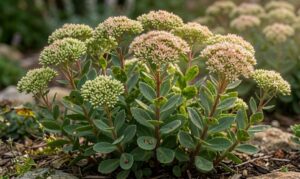
Proper hydration and nutrient management are the twin pillars that support the vibrant color and long-lasting health of these popular garden perennials. You must learn to read the subtle signals the foliage provides to determine exactly when it is time to intervene with the watering can or the fertilizer spreader. While these plants are known for their relative hardiness, they will only reach their full potential when their specific physiological needs are consistently met. Mastering the balance between providing enough resources and avoiding the dangers of over-saturation is a hallmark of an expert gardener.
Watering should always be approached with the goal of encouraging deep root growth, which makes the plant more resilient during the hottest days of summer. Instead of light, daily sprinkles that only wet the surface, you should aim for a deeper soaking that reaches several inches into the ground. This method trains the roots to grow downward where the soil remains cooler and more consistently moist. You will find that a well-established plant can go longer between waterings if it has a robust, deep root system to rely on.
The timing of your watering routine can significantly impact the health of the foliage and the efficiency of the water usage. Applying water in the early morning is the most effective strategy because it allows the leaves to dry off quickly as the sun rises. Moisture that sits on the leaves overnight can create the perfect environment for fungal spores to germinate and spread through the dense mat of foliage. Additionally, morning watering ensures that the plant is fully hydrated before it has to face the drying effects of the afternoon sun.
You should always apply water directly to the base of the plant rather than using an overhead sprinkler system whenever possible. Direct application minimizes the amount of water lost to evaporation and keeps the flowers looking their best by preventing water spots on the petals. A soaker hose or a drip irrigation system can be an excellent investment for a larger planting, as it delivers moisture slowly and precisely. This controlled approach not only saves water but also promotes a much healthier microclimate around the center of each individual plant.
Developing a fertilization strategy
Fertilizing these perennials is not about pushing for the fastest possible growth, but rather about supporting a steady and healthy life cycle. You should look for a balanced, slow-release product that provides a consistent supply of nutrients over several months. A formula like a 10-10-10 or a specific perennial blend is usually sufficient to meet the basic needs of the plant without causing any chemical imbalances. Applying the fertilizer in the early spring as the first green shoots appear gives the plant the boost it needs to start the season strong.
More articles on this topic
Understanding the role of specific nutrients will help you make more informed choices when selecting a product for your garden. Nitrogen is responsible for the lush green foliage, but too much of it can lead to weak stems and a lack of flowers. Phosphorus is the key element for bloom production and root development, which is why it is so important for this variety. Potassium helps with overall plant health and disease resistance, acting as a general tonic for the entire vascular system of the specimen.
If you prefer an organic approach, top-dressing the soil with a thin layer of high-quality compost once a year can be very effective. This method not only provides nutrients but also improves the soil structure and encourages beneficial microbial activity in the root zone. You can also use liquid seaweed or fish emulsion during the peak growing months for a quick, gentle nutrient boost. These organic options tend to be more environmentally friendly and reduce the risk of salt buildup in the soil over time.
You must be careful to avoid fertilizing too late in the autumn, as this can stimulate new growth that won’t have time to harden off before the first frost. This tender new foliage is very susceptible to cold damage and can weaken the entire plant as it enters dormancy. Stop all supplemental feeding about six to eight weeks before you expect the ground to freeze in your local area. This allows the plant to naturally transition its energy from growth to storage, ensuring it has the reserves needed to survive the winter.
Monitoring soil moisture levels
Learning to feel the soil with your fingers is the most reliable way to determine if your plants actually need more water. You should push aside any mulch and check the moisture level about two inches below the surface where the active roots are located. If the soil feels cool and damp, you should hold off on watering for another day or two to allow for proper aeration. However, if the soil feels dry and crumbly, it is time for a thorough soaking to replenish the ground’s moisture reserves.
More articles on this topic
Weather conditions are the primary drivers of water demand, and you should adjust your routine based on the current local forecast. During a particularly windy day, the rate of transpiration from the leaves increases significantly, which can dry out a plant faster than high heat alone. Similarly, periods of low humidity will require you to check the soil more frequently than during a damp, overcast week. Being proactive and anticipating these changes prevents the plant from ever entering a state of serious drought stress.
The type of soil in your garden will also dictate how often you need to apply water to keep your plants healthy. Sandy soils drain very quickly and hold very little moisture, meaning you will likely need to water more frequently but with less volume. Clay soils, on the other hand, hold onto water for a long time and can easily become waterlogged if you are not careful. Understanding the drainage characteristics of your specific site allows you to tailor your watering schedule to the unique needs of your environment.
Using a rain gauge is a professional way to track how much natural irrigation your garden is receiving each week. Most garden plants, including these pink flowers, benefit from about one inch of water per week from either rain or manual watering. By knowing exactly how much has fallen from the sky, you can supplement only what is necessary to reach that one-inch goal. This precision prevents both the waste of resources and the potential health problems associated with overwatering in a wet season.
Signs of nutrient and water stress
When a plant is suffering from a lack of water, the first sign you will notice is a subtle change in the color and texture of the leaves. The vibrant green will turn to a duller, grayish-blue hue, and the foliage will lose its characteristic firmness. If the drought continues, the lower leaves may turn yellow and eventually drop off as the plant tries to conserve its remaining moisture. Catching these early visual cues allows you to resolve the problem before the plant’s overall structure is compromised.
Overwatering presents a different set of symptoms that can sometimes be mistaken for a lack of water if you are not careful. A plant that is sitting in soggy soil will often wilt because the roots are suffocating and can no longer transport water up to the leaves. You might also notice a foul smell coming from the soil or the base of the stems, indicating that rot has begun to set in. If you see these signs, you must stop watering immediately and try to improve the drainage around the plant to save it.
Nutrient deficiencies often show up as specific patterns of discoloration on the foliage that can help you diagnose exactly what is missing. A lack of nitrogen usually results in a general yellowing of the older leaves while the rest of the plant remains pale green. If the plant is lacking phosphorus, you might see a purplish tint on the undersides of the leaves or a significant decrease in the number of flower buds. Recognizing these patterns allows you to apply a targeted fertilizer that addresses the specific needs of the specimen.
Excessive fertilization can be just as damaging as a deficiency, often resulting in “leaf burn” where the edges of the foliage turn brown and crispy. This happens because high concentrations of fertilizer salts in the soil can actually draw moisture out of the roots, causing dehydration. You might also notice that the plant is producing a lot of dark green leaves but absolutely no flowers at all. If you suspect over-fertilization, you can try to flush the soil with plenty of clear water to leach out the excess salts and restore balance.
Long-term soil health management
Maintaining the health of the soil over several years requires more than just adding fertilizer; it involves protecting the entire ecosystem below the ground. You should avoid over-tilling the area around your plants, as this can disrupt the delicate network of fungal hyphae that help the roots absorb nutrients. Keeping the soil covered with a thin layer of mulch or a living groundcover prevents erosion and keeps the soil temperature more stable. These long-term habits build a resilient environment where your plants can thrive with minimal external intervention.
Periodically testing your soil’s pH is a good habit because the addition of water and fertilizers can slowly change the chemical balance over time. If the soil becomes too acidic or too alkaline, many of the nutrients you add will become “locked” and unavailable to the plant. Most garden centers offer simple test kits, or you can send a sample to a local university lab for a more detailed professional analysis. Keeping the pH in the neutral range ensures that your fertilization efforts are actually benefiting the plants as intended.
Encouraging beneficial insects and earthworms in your garden beds is another way to promote natural fertility and soil aeration. Earthworms act as tiny subterranean plows, creating tunnels that allow air and water to reach the deep root zones of your perennials. You can attract these helpful creatures by maintaining a healthy level of organic matter in the soil and avoiding the use of harsh synthetic chemicals. A biologically active soil is much more productive and easier to manage than one that relies solely on chemical inputs.
As your garden matures, you might find that you need to adjust your approach to watering and fertilizing to accommodate the changing needs of the plants. Older, larger mounds will have more extensive root systems and may be more drought-tolerant than they were when first planted. However, they may also require more nutrients to support their increased biomass and maintain a high level of flower production. Staying observant and flexible allows you to grow alongside your garden, providing exactly what is needed at every stage of the plant’s life.