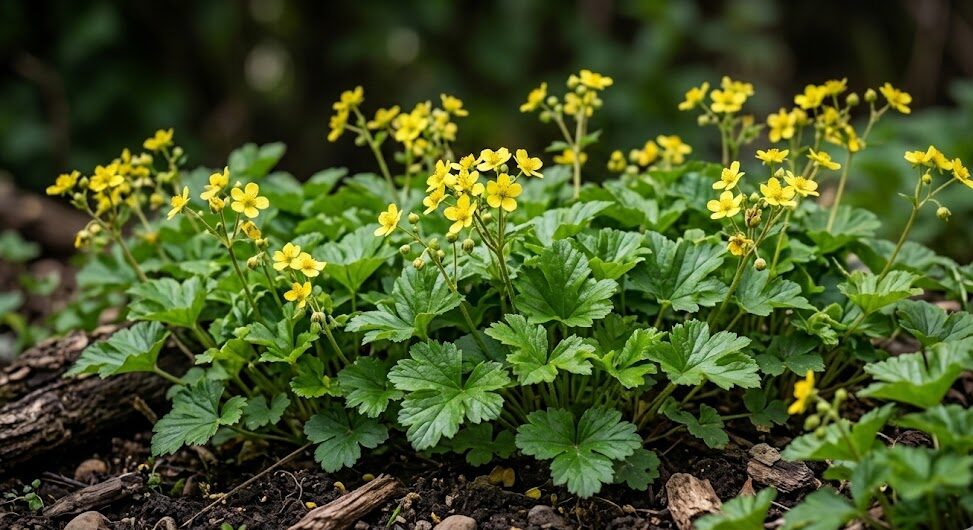

Achieving the perfect balance of hydration and nutrition is the secret to maintaining a dense and vibrant groundcover that remains healthy throughout the year. You should think of watering and fertilizing as complementary tasks that support the plant’s natural growth cycles and its ability to withstand environmental stress. While this species is known for its durability, it will only reach its full potential when it has access to the right amount of water and a steady supply of essential minerals. By developing a professional approach to these fundamental care tasks, you can ensure your garden remains a lush green oasis.
Irrigation fundamentals
Understanding the moisture needs of your groundcover requires a close look at the specific conditions of your garden and the local climate. You should aim to keep the soil consistently moist but never saturated, as excess water can lead to root rot and other fungal problems. The goal is to mimic the naturally damp but well-drained floor of a woodland environment where this plant is most at home. Regular checks of the soil a few inches below the surface will tell you exactly when it is time to turn on the hose or irrigation system.
Deep watering is much more effective than frequent shallow sprinkles because it encourages the roots to grow deeper into the soil for stability. You should apply water slowly and steadily to allow it to penetrate the root zone rather than running off the surface. Early morning is the best time for irrigation, as it allows the foliage to dry out before evening, reducing the risk of disease. If you must water later in the day, try to apply the water directly to the soil surface to keep the leaves as dry as possible.
The type of soil you have will significantly impact how often you need to provide supplemental water to your plants. You should be aware that sandy soils dry out much faster and may require more frequent irrigation during hot or windy weather. Clay soils, on the other hand, retain moisture for much longer but can easily become waterlogged if you are not careful with the volume of water applied. Adjusting your watering schedule based on your soil type is a mark of a truly professional and observant gardener.
New plants require a different watering approach than established ones because their root systems are still small and confined to the top layer of soil. You should check newly installed groundcovers daily for the first few weeks, ensuring they never dry out completely during this critical transition. Once the plants have filled in and established a deep root network, they will become much more drought-tolerant and resilient. Investing the time in proper irrigation during the establishment phase will pay off with a much more independent and hardy plant in the long run.
More articles on this topic
Seasonal watering schedules
During the spring growth spurt, the demand for moisture increases as the plant produces new leaves and its characteristic yellow flowers. You should ensure that the soil remains evenly moist during this time to support the high energy needs of the plant. If the spring is particularly dry, a few deep soakings will help the groundcover establish a strong start for the rest of the year. This is the foundation of a healthy season, so don’t let the plants struggle for water right at the beginning of their active period.
Summer brings the greatest challenge for moisture management, as high temperatures and intense sun can quickly deplete the soil’s water reserves. You should monitor the plants for signs of heat stress, such as a slight dulling of the leaf color or a minor wilt in the afternoon. During heatwaves, you might need to increase the frequency of watering to protect the roots from the heat radiating through the soil. Providing extra water in the summer prevents the plant from entering a defensive dormancy that can make it look thin and unattractive.
Autumn watering should be tapered off as the weather cools and the plant begins to prepare for its winter rest period. You should still provide occasional deep waterings if the fall is unusually warm or dry to ensure the plant enters winter with well-hydrated tissues. However, avoid overwatering at this time, as the plant’s metabolism is slowing down and it will not process moisture as quickly as it did in the summer. A balanced approach in the autumn helps the plant transition smoothly into the colder months without being stressed by excess moisture.
Winter moisture is often overlooked, but evergreen groundcovers still lose water through their leaves even when the temperatures are near freezing. You should ensure the soil has plenty of moisture before the ground freezes solid for the season. In areas with dry winters and no snow cover, a light watering on a day when the ground is thawed can prevent the foliage from drying out completely. Protecting the hydration levels during the winter is the best way to ensure a quick and healthy green-up once spring returns.
More articles on this topic
Soil fertilization principles
Fertilizing should be viewed as a way to supplement the natural fertility of the soil rather than as a primary source of nutrition. You should focus on using high-quality organic fertilizers that improve the soil structure while providing a slow and steady release of nutrients. Chemical fertilizers can often lead to a rapid flush of weak growth that is more susceptible to pests and environmental damage. By choosing organic options, you support the long-term health of the entire soil ecosystem, which in turn supports your plants.
The timing of fertilizer application is crucial for maximizing its effectiveness and avoiding unnecessary waste or environmental runoff. You should apply a balanced organic feed in the early spring just as the first signs of new growth begin to appear. This provides the plants with the nutrients they need for the intensive flowering and leaf production that occurs early in the season. A second, lighter application in the early summer can help sustain the green foliage through the hottest months if your soil is naturally lean.
Nitrogen is the primary nutrient responsible for the lush green leaves that make this groundcover so attractive in the landscape. You should choose a fertilizer with a moderate nitrogen content to encourage steady growth without making the plants overly soft or leggy. Phosphorus and potassium are also important for root development and overall plant resilience, especially during periods of stress. A balanced “all-purpose” organic fertilizer is usually all that is needed to keep this reliable species happy and healthy.
Over-fertilizing is a common mistake that can lead to a buildup of salts in the soil and a decline in the plant’s natural vigor. You should always follow the recommended application rates on the product label and err on the side of caution if you are unsure. If your plants are already growing vigorously and have dark green leaves, they may not need any supplemental fertilizer at all. Trusting the natural fertility of a well-maintained soil is often the best strategy for long-term success with woodland groundcovers.
Application methods and tips
Applying fertilizer correctly ensures that the nutrients reach the roots where they are needed most without damaging the delicate foliage. You should spread granular organic fertilizers evenly over the soil surface, being careful to brush any stray pellets off the green leaves. Watering the area immediately after application helps dissolve the granules and moves the nutrients down into the root zone. This “water-in” step is essential for preventing leaf burn and ensuring the plants can actually access the food you’ve provided.
Liquid fertilizers are a great option for providing a quick boost of nutrients during the growing season or for addressing specific deficiencies. You should dilute the liquid concentrate according to the instructions and apply it using a watering can or a low-pressure sprayer. This method allows the nutrients to be absorbed through both the roots and the leaves, providing a very efficient way to support plant health. Liquid feeds are especially useful for newly planted areas that need a little extra help getting established.
Top-dressing with a thin layer of high-quality compost or leaf mold is one of the best “fertilizing” techniques for any groundcover. You should gently spread about a half-inch of organic matter over the bed in the spring or autumn, allowing it to filter down between the plants. This method not only provides nutrients but also improves the soil’s ability to hold water and supports beneficial soil microbes. It is a natural and sustainable way to maintain soil fertility that mimics the cycle of the forest floor.
Consistency is more important than intensity when it comes to feeding your plants over the course of several years. You should develop a simple annual routine that you can stick to, rather than applying large amounts of fertilizer sporadically. Keeping a garden journal can help you remember when you last fed the plants and what the results were. A steady, measured approach to nutrition creates a more stable environment for your groundcover and leads to more predictable and beautiful results.
Identifying and correcting deficiencies
Being able to read the signs that your plants are struggling is an essential skill for any professional gardener. You should look for leaves that are turning pale green or yellow, which often indicates a nitrogen deficiency or a problem with soil pH. If the leaves are purple or unnaturally dark, it could be a sign that the plant is struggling to take up phosphorus, often due to cold soil. Addressing these issues early with a targeted organic supplement can prevent a more serious decline in the health of the planting.
Soil pH is a critical factor that determines how easily plants can access the nutrients that are already present in the ground. You should periodically test your soil to ensure it remains in the slightly acidic to neutral range that this species prefers. If the soil becomes too alkaline, certain micronutrients like iron can become “locked up” and unavailable to the roots. Adding sulfur to lower the pH or lime to raise it is a long-term process that should be handled with care and based on accurate test results.
Compacted soil can also mimic nutrient deficiencies by preventing the roots from expanding and absorbing the minerals they need. You should check to see if the soil feels hard or if water sits on the surface for a long time without soaking in. In these cases, the solution is not more fertilizer but rather improving the soil structure through aeration and the addition of organic matter. A healthy plant in good soil is much more efficient at finding its own nutrients than a plant struggling in poor, tight earth.
Recovery from a nutritional or moisture-related setback takes time, so don’t expect to see results overnight. You should maintain a consistent care routine and watch for the emergence of healthy new growth as a sign that your corrections are working. Be patient and avoid the temptation to over-correct with massive amounts of water or fertilizer, which can cause further stress. With a steady hand and an observant eye, you can restore even a struggling groundcover to its former glory.