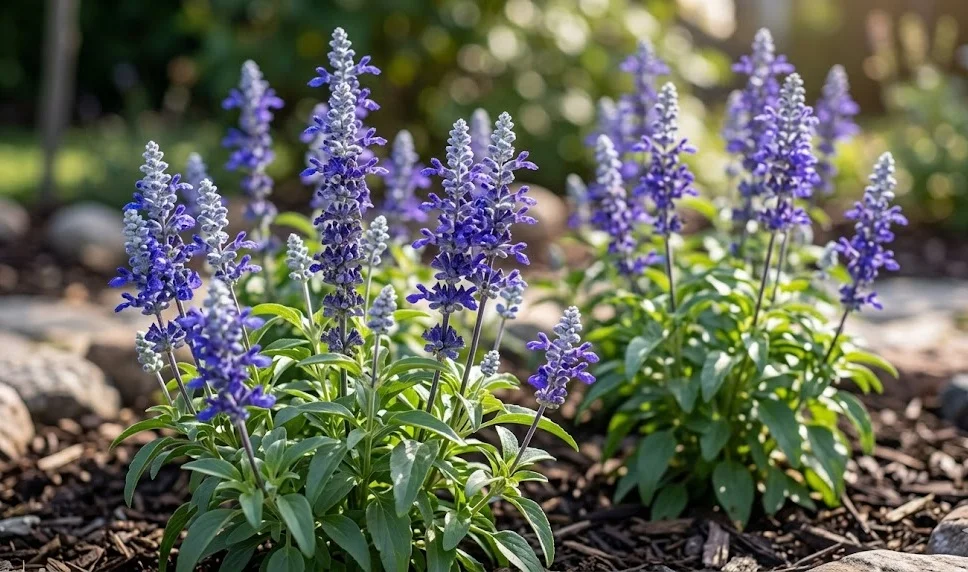

Achieving the perfect balance of hydration and nutrition is the secret to growing spectacular mealycup sage that blooms continuously from spring to frost. While these plants are known for their ability to withstand dry spells, professional results require a more nuanced approach to seasonal watering. Likewise, fertilization must be managed carefully to promote flower production rather than excessive, floppy leaf growth. This guide provides a detailed framework for managing these two critical pillars of plant health in a way that mimics the plant’s natural habitat.
Hydration needs and techniques
Understanding the specific watering requirements of mealycup sage is essential for maintaining its vibrant appearance and structural integrity. These plants prefer a cycle that allows the soil to dry out slightly between waterings rather than being kept constantly saturated. You should check the moisture level by inserting your finger into the soil near the base of the plant to a depth of about two inches. If the soil feels dry at that level, it is time to provide a deep and thorough soaking to reach the root zone.
The timing of your watering routine can have a significant impact on the health of the foliage and the prevention of common diseases. You should aim to water in the early morning so that any moisture that gets on the leaves has plenty of time to evaporate in the sun. Watering late in the evening often leaves the plants damp overnight, which creates an ideal environment for fungal growth and mildew. A consistent morning schedule helps the plant stay hydrated throughout the hottest part of the day when evaporation is at its peak.
Using a soaker hose or drip irrigation system is the most efficient way to deliver water directly to the roots where it is needed most. This method keeps the foliage dry and reduces the amount of water lost to evaporation compared to overhead sprinklers. You should focus the water flow around the drip line of the plant rather than directly against the main stems to encourage outward root growth. Deep watering encourages the development of a resilient root system that can better withstand future periods of drought.
During the peak of summer, you may need to increase the frequency of your watering to compensate for the intense heat and lack of rainfall. You will notice that the plants might look a bit tired in the late afternoon, which is a natural response to high temperatures. However, if they do not recover by the next morning, it is a clear sign that the soil is too dry and needs immediate attention. Adjusting your watering habits based on the actual weather conditions rather than a rigid calendar leads to much healthier plants.
More articles on this topic
Professional fertilization strategies
Fertilizing mealycup sage requires a targeted approach that prioritizes the health of the plant over rapid, unsustainable growth. You should begin the season by incorporating a balanced, slow-release fertilizer into the soil around the base of the plants in early spring. This provides a steady supply of nutrients as the plant begins its most active phase of growth and flower spike development. Avoid high-nitrogen fertilizers that can lead to lush green leaves but very few of the blue flowers that define this species.
Liquid fertilizers can be used as a supplemental boost during the peak blooming period to maintain the intensity of the floral display. You should apply these products at half the strength recommended on the label to avoid over-stimulating the plant’s delicate systems. Applying a liquid feed every four to six weeks is usually sufficient to keep the plants looking their best without causing nutrient runoff. Always water the plants thoroughly before applying any liquid fertilizer to prevent the concentrated salts from burning the sensitive roots.
Organic amendments such as compost or well-rotted manure are excellent alternatives to synthetic fertilizers for long-term soil health. You can apply a thin layer of compost as a top-dressing each spring to slowly release nutrients and improve the soil structure simultaneously. This natural approach encourages beneficial soil organisms that help the plant access minerals more efficiently over time. Building a healthy soil foundation reduces the need for frequent chemical interventions and leads to a more sustainable garden ecosystem.
Monitoring the growth response of your plants is the best way to determine if your fertilization strategy is working effectively. You should see steady growth and a continuous production of new flower spikes if the nutrient balance is correct for the environment. If the plants appear stunted or the leaves are very pale, it may be time to perform a soil test to identify specific deficiencies. Professional gardeners use these observations to fine-tune their feeding schedule and ensure that every plant reaches its full potential.
More articles on this topic
Signs of nutrient imbalance
Identifying the visual symptoms of nutrient excess or deficiency allows you to take corrective action before the health of the plant is compromised. Nitrogen deficiency often manifests as a general yellowing of the older leaves, starting from the bottom of the plant and moving upward. On the other hand, too much nitrogen will result in very dark green leaves but stems that are too weak to support the weight of the flowers. Finding the middle ground is key to maintaining a plant that is both beautiful and structurally sound.
Phosphorus and potassium are critical for the development of strong roots and the production of the vibrant blue pigments in the flower spikes. A lack of these elements might result in fewer flowers or a noticeable decrease in the intensity of the colors you expect to see. You might also notice that the edges of the leaves turn brown or look scorched if the potassium levels are significantly too low. Addressing these issues with a balanced fertilizer or specific organic amendments will help restore the plant’s health and beauty quickly.
Micronutrient deficiencies, such as iron or magnesium, can also affect the appearance of the foliage and the overall vigor of the sage. Iron chlorosis is a common issue where the leaves turn yellow while the veins remain green, often caused by soil that is too alkaline. You can correct this by applying a chelated iron supplement or by working to slightly lower the pH level of the garden bed. Regular observation ensures that these minor issues do not turn into major problems that could threaten the survival of the entire planting.
It is important to remember that over-fertilizing is often more damaging than under-fertilizing for hardy plants like mealycup sage. Excessive salts from chemical fertilizers can build up in the soil and actually prevent the roots from taking up the water they need. If you suspect you have over-applied nutrients, you can try to flush the soil with large amounts of fresh water to leach out the excess. A conservative approach to feeding is always safer and more effective for maintaining long-term plant health and vitality.
Environmental influences on uptake
The environment in which your sage is growing has a direct impact on how effectively it can utilize the water and nutrients you provide. Soil temperature plays a major role in root activity and the ability of the plant to absorb essential minerals from the ground. In very cold or extremely hot soil, the roots may slow down their functions, leading to temporary signs of deficiency even if nutrients are present. Understanding these seasonal fluctuations helps you avoid over-reacting to minor changes in the plant’s appearance.
Soil pH is another critical factor that determines the availability of nutrients to the root system of the mealycup sage. If the soil is too acidic or too alkaline, certain elements become chemically locked and cannot be absorbed by the plant. You should aim for a pH between 6.0 and 7.0 for the best results in most garden settings and agricultural applications. Periodic testing with a professional kit or through a local laboratory is the only way to know for sure what is happening in your soil.
Competing vegetation, such as nearby trees or aggressive weeds, can rob your sage of the resources it needs to thrive and bloom. You should keep the area around the base of the plants clear of weeds to ensure that all the water and fertilizer go directly to your chosen flowers. Large trees with shallow roots can be particularly challenging as they can quickly dry out the soil during the summer months. Strategic placement and regular weeding are essential components of a professional maintenance routine for high-quality garden beds.
Weather patterns, including heavy rain or prolonged humidity, will also change how you manage your watering and fertilization schedule. A sudden downpour can wash away recently applied granular fertilizers before they have a chance to be absorbed by the roots. Conversely, high humidity reduces the rate of transpiration, meaning the plant may require less frequent watering than during a dry heatwave. Staying flexible and responsive to the daily weather ensures that you are providing the exact care the plants need at any given moment.
Long-term soil management
Sustainable gardening practices focus on building the long-term fertility and structure of the soil rather than relying on quick fixes. You should aim to increase the organic matter content of your garden beds every year through the addition of compost or mulches. This improves the water-holding capacity of sandy soils while helping to break up and drain heavy clay soils more effectively. A healthy soil structure is the best insurance policy against the unpredictable nature of the local climate and weather.
Rotating the placement of your annual plantings can help prevent the buildup of specific pests and diseases that might target mealycup sage. While this is less of a concern for permanent perennial beds, it is a good practice for larger garden layouts and agricultural displays. Moving the plants to fresh soil every few years allows the previous site to recover and prevents the depletion of specific micronutrients. This professional approach to land management ensures that your garden remains productive and vibrant for decades.
Cover cropping is a technique used in larger landscape projects to protect and enrich the soil during the winter months when the sage is dormant. Planting a fast-growing green manure crop can help suppress weeds and add valuable nitrogen back into the earth when it is tilled under. This practice is particularly useful if you are growing sage in an agricultural setting where soil health is a primary concern for yield. Investing in the health of the ground during the off-season pays massive dividends when the spring planting begins.
Ultimately, the goal of your watering and fertilization routine is to support the natural resilience and beauty of the mealycup sage. By providing a stable and nutrient-rich environment, you allow the plant to express its full genetic potential without constant stress. Seeing the rewarding results of your labor in the form of endless blue flower spikes is the greatest joy for any dedicated gardener. Professional care is simply the act of listening to the needs of the plant and responding with knowledge and consistency.