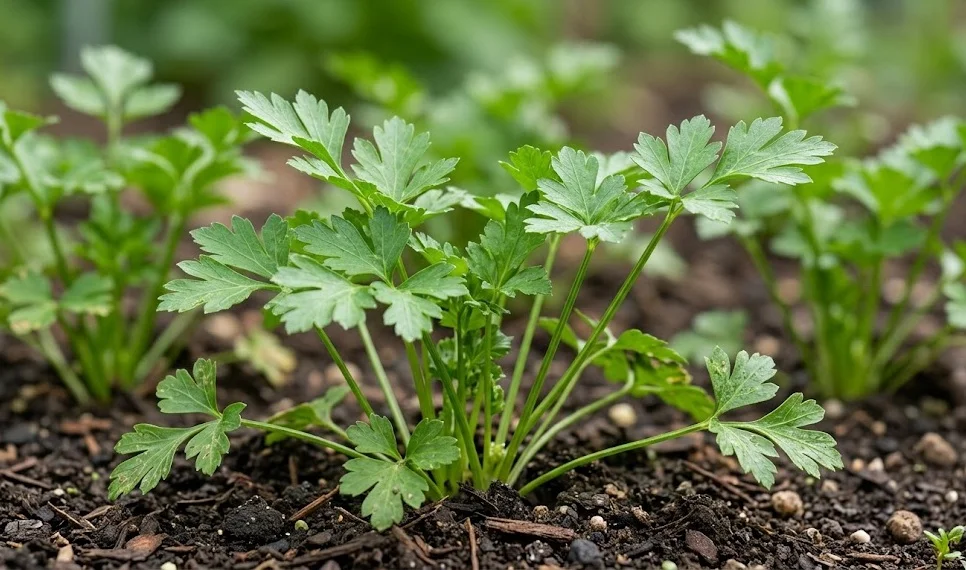

Watering and fertilizing leaf parsley correctly is the secret to achieving that deep green color and potent aroma that every gardener desires. Because parsley has a relatively high water content in its tissues, it is extremely sensitive to drought stress and nutrient deficiencies. A professional approach involves creating a consistent schedule that mirrors the plant’s natural requirements throughout the various stages of its development. Balancing moisture levels and soil fertility will prevent the leaves from turning yellow or becoming bitter over time.
The primary rule of irrigation for parsley is to maintain a consistently moist soil environment without allowing the roots to sit in stagnant water. You should check the soil moisture levels daily, especially during the height of summer, by inserting a finger a few centimeters into the earth. If the soil feels dry at that depth, it is time to provide a deep, thorough watering that reaches the lower root zones. Overhead watering should be avoided in the late evening to ensure that the foliage dries before nightfall, reducing the risk of disease.
Automated drip irrigation systems are often considered the gold standard for large-scale parsley cultivation because they deliver water directly to the base of the plant. This method minimizes evaporation and keeps the leaves dry, which is essential for maintaining the aesthetic quality of leaf parsley. If you are watering by hand, aim for a gentle flow that does not displace the soil or expose the delicate upper roots. During periods of extreme heat, you might need to water twice a day to prevent the plants from wilting and losing their structural integrity.
Fertilization should begin with a rich base of organic matter incorporated into the soil before planting, such as well-rotted manure or high-quality compost. Once the plants have established several sets of true leaves, you can begin a regular supplemental feeding program. A balanced, water-soluble fertilizer with an equal ratio of nitrogen, phosphorus, and potassium is generally sufficient for steady growth. However, because we harvest the foliage, a slightly higher nitrogen content can be beneficial for promoting rapid leaf regeneration after cutting.
Nutrient deficiencies often manifest as visible changes in the color or texture of the parsley leaves, serving as a signal for immediate action. Yellowing of the lower leaves often indicates a lack of nitrogen, while a purplish tint might suggest that the plant is struggling to up-take phosphorus due to cold soil. If you notice these signs, a quick-acting liquid seaweed or fish emulsion spray can provide an immediate nutrient boost through foliar absorption. Always follow the manufacturer’s instructions regarding concentration to avoid “burning” the sensitive leaf margins with excessive salts.
More articles on this topic
Long-term soil health is maintained by avoiding the over-application of synthetic fertilizers, which can lead to a buildup of minerals and harm beneficial soil microbes. Integrating organic amendments throughout the season, such as compost tea or worm castings, provides a slow-release source of nutrition that supports the entire soil ecosystem. This holistic approach not only feeds the parsley but also improves the soil structure, making it easier for the roots to access water and air. By monitoring the plant’s response to your feeding schedule, you can fine-tune your strategy to achieve the best possible yields.