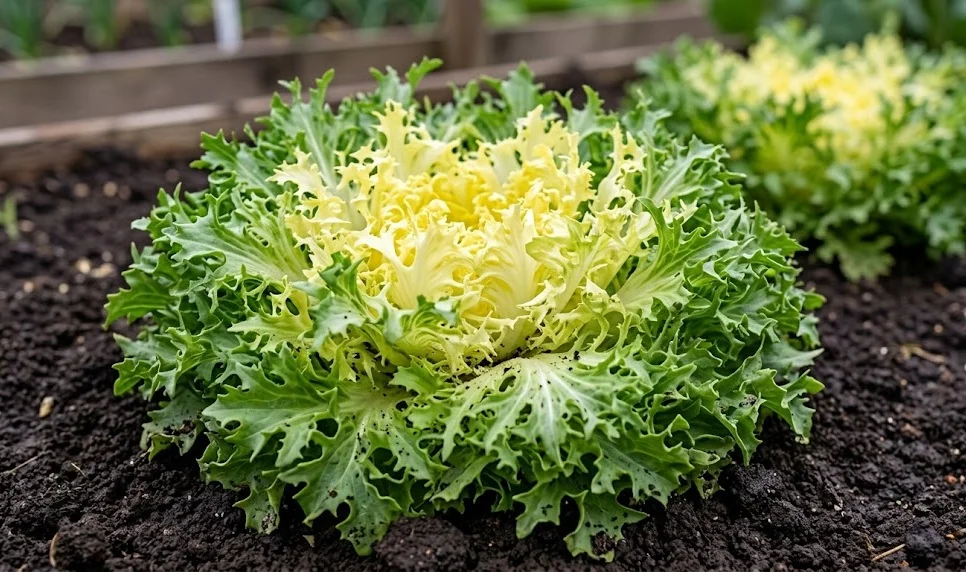

Proper hydration and nutrient management are the twin pillars of producing high-quality endive that is both tender and flavorful. Because endive has a relatively shallow root system and a high water content, its growth is heavily influenced by the consistency of the moisture in the soil. Furthermore, the bitter compounds for which endive is known can become overwhelming if the plant experiences nutritional stress or dehydration. Mastering these two aspects of care will significantly elevate the professional quality of your garden produce and ensure a more reliable harvest.
Establishing a consistent irrigation schedule
The key to succulent endive is maintaining a consistent level of moisture in the soil throughout its entire growing cycle. Fluctuations between bone-dry and waterlogged soil can cause the plant to stress, which often triggers premature bolting or an increase in bitterness. Ideally, the soil should feel like a wrung-out sponge—moist to the touch but not dripping with excess water. During the peak of summer or in windy conditions, you may need to check the moisture levels daily to prevent the plants from wilting.
Early morning is the best time to water your endive crop to allow the foliage to dry before evening. Wet leaves during the night can create a perfect environment for fungal pathogens and bacterial rots to take hold. If you water in the heat of the afternoon, much of the moisture will evaporate before it can reach the roots, making the process inefficient. Morning irrigation also ensures that the plant is fully hydrated before the sun reaches its highest intensity, helping it cope with the day’s heat.
For a professional-grade garden, installing a drip irrigation system is often the most effective way to manage water. Drip lines deliver water directly to the soil surface near the roots, minimizing waste and keeping the leaves dry. This targeted approach also helps reduce weed growth in the spaces between the rows, as only the crop receives the direct moisture. If using a hose, always aim for the base of the plants rather than spraying from above to protect the integrity of the foliage.
Monitoring rainfall is also part of a smart irrigation strategy, as you don’t want to overwater after a heavy storm. Using a simple rain gauge in the garden can help you determine exactly how much supplemental water is needed each week. Generally, endive requires about one to one and a half inches of water per week, either from rain or irrigation. Adjusting your schedule based on actual weather conditions prevents both drought stress and the leaching of valuable nutrients from the soil.
More articles on this topic
Understanding nutrient requirements
Endive is considered a moderately heavy feeder that requires a balanced supply of nitrogen, phosphorus, and potassium to grow rapidly. Nitrogen is particularly important during the early stages of growth as it fuels the development of the lush, green leaves. However, an excess of nitrogen late in the season can lead to soft growth that is more susceptible to pests and disease. A balanced approach ensures that the plant develops a strong structure alongside its leafy bulk.
Before planting, it is highly recommended to perform a soil test to understand the baseline nutrient levels in your garden. This allows you to tailor your fertilization program to the specific needs of your soil rather than relying on guesswork. Most endive crops benefit from an initial application of a balanced, slow-release organic fertilizer worked into the top few inches of soil. This provides a steady supply of nutrients that will last through the first half of the growing season.
As the plants begin to mature and fill out their rows, a secondary application of nutrients can be beneficial. This is often referred to as “side-dressing” and involves placing fertilizer along the sides of the plant rows. A high-quality compost or a well-diluted liquid organic fertilizer works well for this mid-season boost. Be careful not to let the fertilizer touch the leaves or the main stem, as the concentrated nutrients can cause chemical burns on the tender tissue.
Trace minerals such as calcium and magnesium also play a vital role in the cellular health of endive lettuce. A deficiency in calcium, for example, can lead to tip burn, where the edges of the inner leaves turn brown and die. Ensuring a stable soil pH helps keep these micronutrients available for the plant to absorb efficiently. A well-rounded nutritional profile results in a plant that is not only larger but also more resilient to environmental fluctuations and biological threats.
More articles on this topic
Organic matter and soil health
The long-term success of any endive crop is deeply rooted in the overall health and organic content of the soil. Incorporating well-rotted manure or garden compost significantly improves the soil’s ability to hold onto both water and nutrients. Organic matter acts like a reservoir, releasing moisture slowly and providing a home for beneficial soil microbes. These microbes break down complex materials into forms that the endive roots can easily take up throughout the season.
Green manures or cover crops grown during the off-season can also contribute to the fertility of your endive beds. Plants like clover or vetch fix nitrogen in the soil, which becomes available to the endive once the cover crop is tilled back into the earth. This natural cycle of fertility reduces the need for synthetic inputs and builds a more sustainable garden ecosystem. Healthy soil with high organic content also stays looser, allowing endive roots to explore deeper and find moisture more effectively.
Mulching with organic materials serves as a bridge between irrigation and fertilization by protecting the soil surface. As the mulch breaks down, it slowly contributes organic matter back into the soil while simultaneously preventing moisture evaporation. This creates a more stable environment for the roots and reduces the frequency of necessary irrigation. Use clean materials like straw or shredded bark to avoid introducing weed seeds or pathogens into your carefully managed vegetable beds.
Avoid using fresh, uncomposted manure, as it can be too high in salts and may contain harmful bacteria that could contaminate leafy greens. Always ensure that any organic inputs are fully aged and have gone through a proper composting process. This not only makes the nutrients more stable but also eliminates most weed seeds and pathogens. By prioritizing soil health, you are investing in the quality and safety of your future harvests.
Signs of over and under-care
Being able to read the visual cues of your endive plants is an essential skill for managing water and nutrients effectively. Yellowing of the lower leaves often indicates a nitrogen deficiency, suggesting that the plant needs a quick-acting liquid feed. Conversely, very dark green leaves that appear brittle may suggest an excess of nitrogen, which can lead to other physiological problems. Observing the color and texture of the foliage daily allows you to make adjustments before a minor issue becomes a major problem.
Wilting during the heat of the day is a clear sign that the plant is losing water faster than it can take it up. While some temporary wilting is normal in extreme heat, persistent wilting indicates that the root zone is too dry. If the plant does not recover by the following morning, the irrigation volume must be increased immediately to prevent permanent damage. On the other hand, yellowing and wilting in wet soil can be a sign of root rot, which is caused by overwatering or poor drainage.
Tip burn is a common physiological disorder characterized by the browning of the margins of the inner, youngest leaves. This is usually caused by an inconsistent supply of water, which prevents calcium from reaching the growing tips of the plant. Even if the soil has plenty of calcium, the plant cannot move it without a steady stream of moisture. Maintaining a very regular watering schedule is the best way to prevent this unsightly and quality-reducing condition from appearing.
Bitter taste is natural in endive, but excessive, acrid bitterness is often a sign of environmental stress, including drought or heat. When the plant is pushed beyond its comfort zone, it produces higher levels of protective compounds that affect the flavor. Ensuring the plant is well-fed and perfectly hydrated is the most effective way to keep the bitterness at a pleasant, gourmet level. A healthy, stress-free plant will always produce a superior culinary product compared to one that has struggled through its life cycle.
Sustainable practices for the professional grower
Adopting sustainable practices for watering and fertilizing not only helps the environment but also improves the long-term productivity of your land. Rainwater harvesting using barrels or cisterns is an excellent way to provide soft, chlorine-free water to your endive crop. This can significantly reduce your reliance on municipal water and is often better for the health of the soil microbes. It is a simple yet effective step toward a more self-reliant and eco-friendly gardening operation.
Composting your own garden waste and kitchen scraps creates a closed-loop system of fertility that is highly efficient. By returning the nutrients from previous crops back to the soil, you maintain the natural balance of your garden’s ecosystem. Homemade compost is often superior to store-bought versions because it contains a diverse range of local microorganisms. This specialized biology helps your endive plants adapt specifically to the unique conditions of your particular growing site.
Using organic, slow-release fertilizers helps prevent nutrient runoff into local waterways, which is a significant environmental concern in modern agriculture. These products release their minerals gradually as they are broken down by soil life, matching the natural pace of the plant’s growth. This reduces the risk of “luxury consumption,” where the plant takes up more nutrients than it needs, leading to weak and watery tissue. A slow and steady nutritional approach produces a denser, more flavorful, and more nutritious endive.
Finally, consider the use of bio-stimulants such as compost teas or mycorrhizal inoculants to enhance the efficiency of your watering and feeding. These treatments boost the plant’s natural ability to absorb water and minerals by expanding the reach of the root system. While they are not fertilizers in the traditional sense, they make every drop of water and every gram of nutrient go much further. Integrating these advanced professional techniques leads to a more resilient garden and a higher standard of horticultural success.