
Providing the correct balance of hydration and nutrients is essential for the long-term vigor and floral performance of these specialized perennials. Because they originate from high-altitude environments where water is often abundant during the growing season, they have little tolerance for extended dry periods. A professional approach to irrigation and feeding ensures that the plant has the resources it needs for its intensive spring display while maintaining overall health. Understanding the relationship between water availability and nutrient uptake is the key to mastering the care of this species.
Hydration principles and techniques
The primary rule for watering these plants is to maintain a consistently moist soil environment without ever allowing the roots to sit in stagnant, waterlogged ground. During the peak growing season in spring, the large leaves and tall flower stalks consume a significant amount of water through transpiration. If the soil dries out even briefly, the plant may respond by wilting, which can damage the delicate flower tissues and reduce the bloom time. Professional gardeners often use a combination of deep soaking and regular monitoring to keep the moisture levels within the ideal range.
When applying water, it is best to aim for the base of the plant rather than spraying the foliage directly from above. Keeping the leaves and the dense flower heads dry helps prevent the development of fungal diseases like gray mold which thrive in damp, stagnant air. Early morning is the most effective time for irrigation, as it allows any accidental moisture on the leaves to evaporate quickly as the sun rises. This practice also ensures that the plant is fully hydrated before the heat of the day increases the rate of water loss.
Using a soaker hose or a drip irrigation system is a highly efficient professional method for delivering water exactly where it is needed most. These systems provide a slow, steady stream of water that penetrates deep into the soil, encouraging the roots to grow downward rather than staying near the surface. Surface-level watering often results in shallow root systems that make the plant more vulnerable to drought and temperature fluctuations. By investing in a quality irrigation setup, a gardener can ensure a more stable and resilient environment for their primula collection.
In times of extreme heat or prolonged dry spells, increasing the frequency of watering may be necessary to prevent the soil from becoming hydrophobic. Mulching around the base of the plants significantly helps by reducing evaporation from the soil surface and keeping the root zone cool. If a plant does wilt severely, a gentle, deep watering will usually help it recover, but repeated stress of this type will eventually weaken its immune system. Consistency is the hallmark of a professional watering regime, providing the steady support the plant needs to thrive throughout its lifecycle.
More articles on this topic
Nutrient management and timing
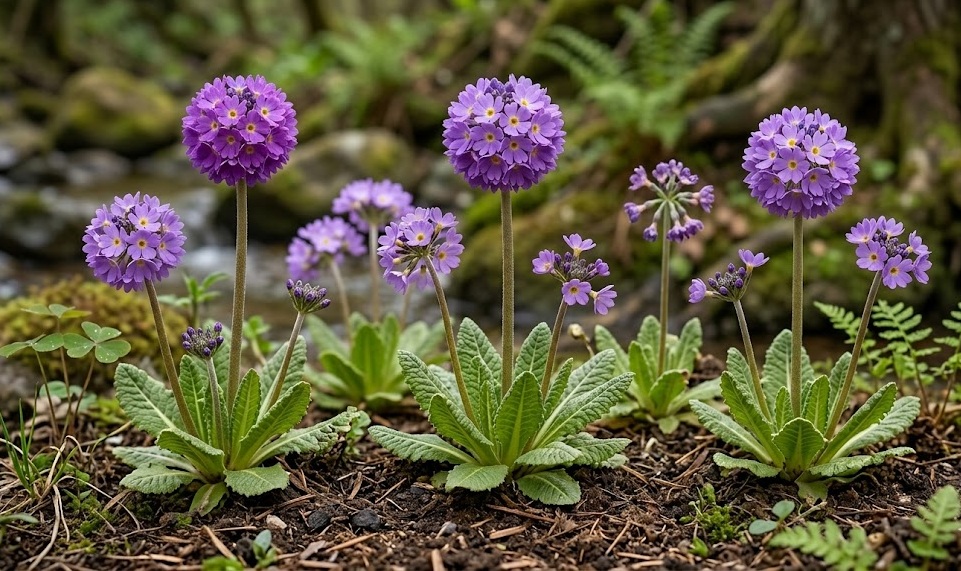
Fertilizing drumstick primulas requires a measured approach that focuses on supporting steady growth rather than forcing rapid, weak development. In the early spring, as the first signs of green growth appear, a balanced organic fertilizer can be applied to provide a baseline of essential nutrients. This early feeding supports the massive energy expenditure required to produce the large, spherical flower heads so early in the season. Professional nutrient management involves understanding the specific needs of the plant at different stages of its annual cycle.
A fertilizer with a slightly higher phosphorus content can be beneficial just before the blooming period to enhance the quality and duration of the flowers. However, excessive nitrogen should be avoided, as it can lead to lush, soft foliage that is highly attractive to pests and more prone to flopping over. Many experts prefer using slow-release granules that break down over several months, providing a continuous supply of food without the risk of nutrient spikes. This steady delivery mimics the natural decomposition of organic matter in the plant’s native habitat.
After the flowering phase is complete, a second light application of fertilizer can help the plant rebuild its reserves and produce healthy leaves for the summer. This mid-season feeding is particularly important if the soil is naturally sandy or has been leached by heavy spring rains. It is generally best to stop all fertilizing by late summer to allow the plant to naturally transition into its dormant phase as the weather cools. Late-season feeding can stimulate new growth that is too tender to survive the first hard frosts of autumn.
Always apply fertilizer to moist soil and water it in thoroughly to ensure that the nutrients move down into the root zone where they can be absorbed. Applying fertilizer to dry soil can sometimes cause root burn, which is a significant setback for the plant’s overall health. Professional growers also keep an eye on the soil’s organic matter content, as healthy soil biology is the best way to facilitate natural nutrient cycling. By combining careful fertilization with good soil management, you create a robust and productive environment for your primulas.
More articles on this topic
Signs of nutrient deficiency
Being able to read the visual cues of the plant is a vital skill for any professional gardener looking to maintain a healthy collection. One of the most common signs of a problem is chlorosis, where the leaves turn yellow while the veins remain green, often indicating an iron or manganese deficiency. This usually happens when the soil pH is too high, making these essential micronutrients chemically unavailable to the roots. Adjusting the soil acidity or using a chelated micronutrient spray can often resolve this issue and return the plant to health.
If the leaves appear stunted or take on a purplish tint, it may be a sign of phosphorus deficiency, which is common in cold, wet soils in early spring. Since phosphorus is essential for root development and flowering, a lack of this nutrient can significantly impact the visual quality of the plant. Providing a water-soluble, high-phosphorus food can give the plant the immediate boost it needs to overcome these temporary environmental challenges. Regular soil testing is a professional way to avoid these problems before they even manifest in the foliage.
General paling of the entire leaf, starting with the older growth, often points to a lack of nitrogen, which the plant needs for all its basic metabolic functions. While we avoid over-fertilizing with nitrogen, a certain amount is necessary to maintain the deep green color and vigor of the leaves. Adding a layer of well-rotted compost around the plants is often enough to provide a gentle, long-term source of nitrogen for the entire season. Observing the growth rate of the plant compared to previous years can also give clues about whether it is receiving enough nutrition.
Finally, brown or “burnt” leaf edges can sometimes indicate a potassium deficiency or, conversely, an accumulation of salts from over-fertilizing. It is important to distinguish between these two possibilities by reviewing the recent care history of the plant and checking the soil moisture levels. If salt buildup is suspected, leaching the soil with large amounts of fresh water can help clear the root zone. A professional approach involves a careful diagnosis of the problem before applying any remedial treatments to ensure the plant is not further stressed.
Seasonal feeding schedules
The nutritional requirements of these perennials change significantly as they move through their annual cycle of growth, bloom, and dormancy. A professional feeding schedule begins in late winter or very early spring, just as the ground begins to thaw and the first buds are visible. This initial application provides the necessary nitrogen and minerals to support the rapid expansion of the flower stalks and leaves. Using a balanced, slow-release product at this stage ensures that the plant has a steady supply of food during its most active phase.
Once the flowers have peaked and are beginning to fade, the plant’s nutritional needs shift toward foliage production and root storage for the following year. A light application of a liquid seaweed or fish-based fertilizer at this time can provide a wide range of trace minerals that support general resilience. This boost helps the plant maintain its lush appearance even as the temperatures begin to rise in the early summer months. Professional gardeners often use these liquid supplements to fine-tune the plant’s health during the transition between spring and summer.
By the time mid-summer arrives, the goal is to maintain the plant’s health without encouraging excessive new growth that might be stressed by the heat. In most cases, the initial slow-release fertilizer will still be providing enough basic nutrition for this period of slow growth. If the plant looks particularly tired or the soil is very poor, a final very light application of compost tea can be beneficial. It is crucial to avoid any heavy feeding during the hottest weeks of the year when the plant is already under thermal stress.
As the days shorten in the late summer and early autumn, it is time to stop all fertilization to allow the plant to prepare for its winter rest. This period of hardening off is essential for the cellular changes that allow the primula to survive sub-zero temperatures. Instead of feeding the plant directly, focus on adding organic mulch to the soil surface to protect the roots and provide a source of nutrients for the next spring. Following this professional seasonal rhythm ensures that the plant remains healthy and productive for many years.
Water quality and its impact
The source and quality of the water used for irrigation can have a subtle but significant effect on the health of these sensitive alpine plants. City water often contains chlorine or chloramines, which can sometimes affect the beneficial microbial life in the soil if used in large quantities. Many professional gardeners prefer to use harvested rainwater, which is naturally soft and has a pH that is usually closer to the plant’s preferred range. Rainwater also contains small amounts of dissolved nitrogen that can provide a gentle, natural boost to the foliage.
If you must use tap water, allowing it to sit in an open container for twenty-four hours can help some of the chlorine to dissipate before application. In areas with very hard water, the high mineral content can gradually raise the soil pH, making it more alkaline over time. This can eventually lead to the nutrient lockout issues mentioned earlier, such as iron chlorosis. Periodically testing the pH of your irrigation water can help you stay ahead of these long-term soil chemistry changes.
Extremely cold water straight from a deep well or a tap in early spring can sometimes shock the roots of a plant that is trying to grow in warming soil. Whenever possible, using water that is close to the ambient air temperature is the preferred professional method for minimizing stress. In the height of summer, cold water can actually be beneficial for cooling the root zone, but it should still be applied carefully. Understanding these nuances of water temperature and chemistry is part of a high-level approach to perennial care.
Finally, ensure that your watering equipment is kept clean to avoid introducing any pathogens or contaminants into the garden beds. Hoses that sit in the sun can develop bacterial growth inside, so it is a good idea to flush them out before watering your plants. Using a clean, dedicated watering can for any liquid fertilizers ensures that the dosage remains accurate and the application is even. By paying attention to the quality of the water you provide, you are taking an important step toward professional-grade horticultural success.