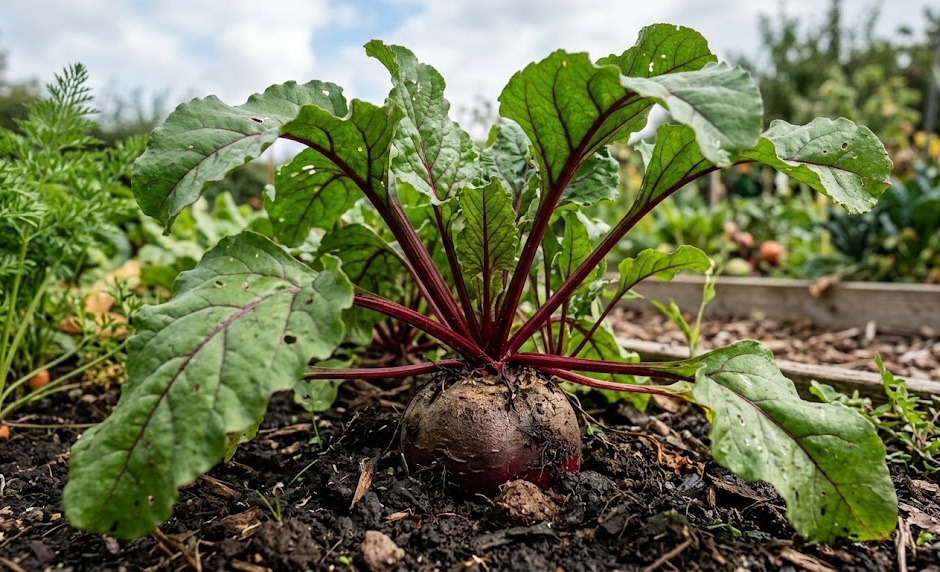

The success of a beetroot crop is intrinsically linked to the precision with which you manage the delivery of water and essential nutrients. These plants require a steady supply of moisture to ensure that the roots remain tender and avoid developing a woody or bitter texture. Fertilization must be handled with care to promote root expansion rather than excessive leaf growth at the expense of the edible portion. Mastering this balance is the hallmark of a professional approach to cultivating high-quality root vegetables.
Irrigation should be consistent and deep to encourage the roots to grow downward into the cooler layers of the soil. You should avoid the “little and often” approach, which only wets the surface and leads to shallow root systems. Shallow roots are more susceptible to drying out quickly and can cause the plant to stress during even short periods of heat. Aim to keep the soil moisture levels stable throughout the entire life cycle of the plant for the best results.
During the early stages of growth, the water needs are relatively low as the root system is just beginning to explore the soil. You should be careful not to overwater at this stage, as saturated soil can lead to damping-off diseases and poor oxygen levels. As the leaves expand and the root begins to swell, the demand for water will increase significantly. You will need to adjust your irrigation schedule based on the growth stage of the plant and the prevailing weather conditions.
Mulching is a highly effective tool that works in tandem with your watering regime to maintain a healthy environment. You can use organic materials to slow down the evaporation of water from the soil surface and keep the root zone cool. This layer also prevents the formation of a hard crust on the soil, which can interfere with water penetration during future irrigations. By integrating mulching into your strategy, you reduce the total amount of water required while improving the health of the plants.
Understanding nutrient requirements
Beetroot is a moderate feeder that requires a balanced mix of nitrogen, phosphorus, and potassium to reach its full potential. You should focus on phosphorus and potassium, as these minerals are directly involved in root development and sugar production. Nitrogen is important for leaf growth, but an excess of it can lead to massive foliage and very small, disappointing roots. A professional soil test is the best way to determine exactly which nutrients are lacking in your specific garden environment.
More articles on this topic
Boron is a micronutrient that is particularly important for the health of beetroot and other members of the goosefoot family. You might notice internal black spots or “canker” in your roots if the soil is deficient in this specific mineral. If your soil test indicates a boron deficiency, you can apply a very small amount of borax dissolved in water to the soil. However, you must be extremely precise, as boron can become toxic to plants if even a slightly excessive amount is applied.
Organic matter in the form of well-rotted compost or manure provides a slow-release source of nutrients that supports long-term health. You should incorporate these materials several months before planting to allow them to break down and become available to the plants. Fresh manure should never be used directly on beetroot as it can cause the roots to fork or become misshapen. Using high-quality organic amendments also improves the soil’s ability to hold onto both water and nutrients over time.
The timing of fertilizer applications can influence how the plant utilizes the provided energy throughout the season. You should provide a base application before sowing and perhaps a light “top-dressing” midway through the growth cycle. Avoid fertilizing too late in the season, as this can stimulate new growth that won’t have time to mature before harvest. Observing the color and vigor of the leaves will tell you if the plants are getting exactly what they need from the soil.
Effective irrigation techniques
Drip irrigation is often considered the gold standard for watering beetroot in both commercial and professional garden settings. You can deliver water directly to the base of the plants, which minimizes evaporation and keeps the foliage dry. This targeted approach reduces the risk of leaf diseases and ensures that the water reaches the root zone where it is most needed. It also allows you to automate the process, providing a consistent schedule that is difficult to maintain by hand.
More articles on this topic
If you are using overhead sprinklers, you should try to water early in the morning so the leaves have time to dry before evening. You must be aware that wet foliage in the late afternoon can create the perfect environment for fungal pathogens like leaf spot. Ensure that the coverage is even across the entire bed to prevent some plants from being flooded while others remain dry. Monitoring the output of your sprinklers with a simple rain gauge will help you track exactly how much water is being applied.
Manual watering with a hose or a watering can is perfectly fine for smaller plots if you are diligent about reaching the roots. You should use a gentle flow of water to avoid eroding the soil or exposing the tops of the developing beetroot. Focus your efforts on the area around the plants rather than the paths to make the most efficient use of your resources. Even with manual watering, the goal remains the same: deep and consistent moisture that supports steady growth.
During periods of extreme heat or drought, you may need to increase the frequency of your watering to compensate for high transpiration rates. You should check the soil moisture levels by sticking your finger several centimeters into the ground to see if it feels dry. If the soil is cracking or pulling away from the sides of the roots, you have waited too long to irrigate. Being proactive during weather extremes is the best way to protect your investment and ensure a high-quality harvest.
Managing fertilizer application
When applying granular fertilizers, you should scatter them evenly alongside the rows rather than placing them directly against the stems. You can then gently work the granules into the top layer of the soil and water the area thoroughly to begin the release process. This method prevents “fertilizer burn” and ensures that the nutrients are distributed through the root zone. Always follow the manufacturer’s instructions regarding application rates to avoid over-fertilizing your crop.
Liquid fertilizers are a great option for providing a quick boost of nutrients if you notice that the plants are struggling. You can apply these directly to the soil or as a foliar spray, although soil application is generally more effective for root crops. Liquid seaweed or compost tea are excellent organic choices that provide a wide range of micronutrients and beneficial microbes. These applications are particularly helpful during the middle of the growing season when the plant’s demand is at its peak.
The pH of your soil can significantly affect the availability of the nutrients you are applying to your beetroot. You should maintain a pH between 6.0 and 7.0 to ensure that minerals like phosphorus do not become “locked” in the soil. If the soil is too alkaline or too acidic, the plants may show deficiency symptoms even if the nutrients are present in the earth. Regularly monitoring and adjusting the pH is a fundamental part of professional nutrient management for any vegetable crop.
Over-fertilization, especially with nitrogen, can lead to a host of problems including poor storage life and increased pest attraction. You should aim for a “just enough” approach that supports healthy growth without creating an unnatural surge of soft, vulnerable tissue. Aphids and other sucking insects are often attracted to the lush growth produced by excessive nitrogen levels. By being precise with your applications, you create a more balanced and resilient plant that is naturally better at defending itself.
Signs of water and nutrient stress
Recognizing the early signs of stress is vital for making timely adjustments to your care routine. You might see the leaves of the beetroot wilting or drooping during the hottest part of the day if they lack sufficient water. If the leaves do not recover by the evening or early morning, it is a clear sign that the soil is too dry. Prolonged water stress can lead to “ringing” in the roots, where you see distinct light and dark circles in the flesh.
Nutrient deficiencies often manifest as specific changes in the color or shape of the foliage. For example, a lack of nitrogen usually results in pale green or yellowish leaves, starting from the oldest parts of the plant. A phosphorus deficiency might show up as purple tinting on the undersides of the leaves or stunted overall growth. Identifying these symptoms correctly allows you to provide the specific mineral that the plant is craving.
Excessive water can also cause symptoms that might be confused with other problems, such as yellowing leaves or root rot. You should ensure that your garden beds have good drainage to prevent the roots from sitting in stagnant water for long periods. If you notice that the soil remains soggy for days after rain, you may need to improve the soil structure or use raised beds. Balancing the air and water content in the soil is essential for maintaining a healthy root system.
Finally, keep an eye out for physiological disorders like “heart rot” which is often linked to the boron deficiency mentioned earlier. You will see the center of the root turning black and decaying, making it completely inedible. Regular observation and a commitment to professional soil management will help you avoid these disappointing outcomes. A healthy, well-fed, and properly hydrated beetroot plant is a beautiful sight in any garden and a delight on any table.