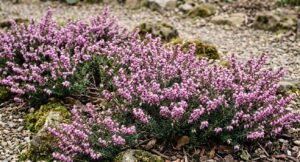
Providing the correct balance of water and nutrients is essential for the robust development of the tall coneflower throughout the growing season. As a large and vigorous perennial, it has specific requirements that must be met to ensure it reaches its full potential in terms of height and flower production. Professional gardeners understand that these needs fluctuate depending on the weather conditions and the life stage of the plant. By mastering the art of hydration and feeding, you can maintain a spectacular display that remains healthy from spring through autumn.
Hydration needs and soil moisture
The tall coneflower is a moisture-loving species that performs best when the soil is kept consistently damp but not waterlogged. In its natural habitat, it is often found near water sources or in low-lying areas where the ground stays cool and hydrated. In a garden setting, it is important to replicate these conditions, especially during the hot and dry periods of mid-summer. If the plant does not receive enough water, it will quickly show signs of stress, such as drooping leaves and stunted growth.
Determining the right time to water requires a combination of observation and physical checking of the soil. You should aim to keep the soil moist to a depth of several inches, which encourages the roots to grow deep into the ground. A deep root system makes the plant more resilient and better able to withstand short periods of drought. Simply feeling the soil surface is often not enough; use a finger or a trowel to check the moisture levels further down.
During the first year after planting, the tall coneflower requires more frequent watering as its root system is still establishing itself. Once the plant is mature, it becomes more efficient at finding water, but it still needs supplemental irrigation during prolonged dry spells. Early morning is the best time for watering, as it allows the foliage to dry before evening, reducing the risk of fungal diseases. Avoid shallow, frequent watering, which leads to weak, surface-level roots.
Environmental factors like wind and intense sun can increase the rate at which water evaporates from the soil and the leaves. On particularly windy days, the plant may require extra attention to ensure it stays hydrated and healthy. Using organic mulch around the base of the plant is a professional technique used to slow down evaporation and keep the soil temperature stable. This simple layer acts as a buffer, protecting the delicate root system from extreme temperature fluctuations.
More articles on this topic
Techniques for efficient watering
The method you use to deliver water can have a significant impact on the health of your coneflowers and the efficiency of your garden management. Drip irrigation or soaker hoses are highly recommended because they deliver water directly to the root zone where it is needed most. This approach minimizes water waste and keeps the foliage dry, which is a key factor in preventing common diseases like powdery mildew. If you must use a sprinkler, try to run it early in the day so the sun can dry the leaves quickly.
Hand watering can also be effective, especially for individual plants or small clusters that need a little extra attention. When watering by hand, aim the stream at the base of the plant and avoid getting water on the leaves and flowers as much as possible. This targeted approach ensures that the water penetrates deep into the soil and reaches the entire root ball. It also gives you an opportunity to inspect the plant for any signs of pests or nutritional issues while you are close by.
In areas with heavy clay soil, water may drain slowly, so you must be careful not to overwater and cause the roots to suffocate. Conversely, in sandy soils, water drains away quickly, requiring more frequent but controlled irrigation. Understanding the drainage characteristics of your garden allows you to tailor your watering schedule to the specific needs of the site. Proper drainage is just as important as the water itself for maintaining a healthy and productive perennial.
Automated irrigation systems can save time and ensure consistency, but they should be adjusted regularly based on the actual weather conditions. Relying solely on a timer without considering recent rainfall can lead to either wasted water or underwatered plants. A rain sensor can be a valuable addition to an automated system, helping to prevent unnecessary watering during wet periods. Balancing technology with personal observation is the hallmark of a professional and sustainable watering routine.
More articles on this topic
Nutrient requirements for growth
To support its impressive stature and heavy blooming, the tall coneflower requires a steady supply of essential nutrients from the soil. Nitrogen is particularly important during the early spring when the plant is rapidly producing new stems and large, green leaves. Phosphorus is another key element, as it supports the development of a strong root system and the production of vibrant flowers. Potassium helps the plant maintain its overall health and improves its resistance to diseases and environmental stress.
The best way to provide these nutrients is through a combination of soil amendments and supplemental fertilization when necessary. Incorporating high-quality compost into the planting area each year provides a slow-release source of organic matter and minerals. This natural approach enriches the soil structure and encourages beneficial microbial life, which helps the plant absorb nutrients more efficiently. Professional gardeners often prefer organic methods because they promote long-term soil health and sustainability.
Before applying any commercial fertilizers, it is a good idea to conduct a soil test to determine exactly what your garden needs. Over-fertilizing can be just as harmful as under-fertilizing, often leading to excessive, weak growth that is more susceptible to pests. If the soil test indicates a deficiency, choose a balanced, slow-release fertilizer that is designed for flowering perennials. Following the manufacturer’s instructions carefully ensures that you are providing the right amount of food at the right time.
Monitoring the appearance of the plant can provide immediate feedback on its nutritional status and the effectiveness of your feeding program. Pale green or yellow leaves may indicate a nitrogen deficiency, while a lack of flowers could be a sign of low phosphorus levels. Healthy, vibrant foliage and an abundance of blooms are the best indicators that the plant is receiving the proper balance of nutrients. Adjusting your fertilization strategy based on these observations will help you achieve the best results year after year.
Application timing and frequency
Timing is everything when it comes to fertilizing the tall coneflower for maximum impact and minimal waste. The first application of fertilizer should generally occur in the early spring as the new shoots are just starting to emerge from the ground. This provides the plant with the energy it needs to jumpstart its growth after the long winter dormancy. A second, lighter application can be made in early summer to support the development of the flower buds.
Avoid fertilizing too late in the season, as this can encourage new, tender growth that may not have time to harden off before the first frost. This late-season growth is very susceptible to cold damage and can weaken the overall plant as it prepares for winter. Stopping all fertilization by mid-summer allows the plant to focus on maturing its current stems and storing energy in its roots for the following year. This natural transition is an important part of the plant’s seasonal cycle.
The frequency of fertilization depends largely on the quality of your soil and the type of fertilizer you are using. Slow-release products only need to be applied once or twice a year, while liquid fertilizers may require more frequent applications during the peak growing season. If you are using compost and mulch regularly, you may find that your coneflowers need very little additional feeding to thrive. Observing the growth rate and flowering performance of your plants will help you determine the ideal schedule.
Always water the plants thoroughly after applying any type of granular fertilizer to help dissolve the nutrients and move them into the root zone. This also prevents the fertilizer from burning the delicate roots or stems of the plant. If you are using a liquid fertilizer, it can be applied directly to the soil around the base of the plant during your regular watering routine. Consistency and careful timing are the keys to a successful fertilization program that supports long-term health and beauty.
Monitoring soil health and drainage
The long-term health of your coneflowers is intimately tied to the condition of the soil in which they are planted. Regularly checking the soil structure and drainage capacity ensures that the roots have a healthy environment in which to grow and thrive. If you notice that water is standing on the surface for a long time after rain, it may be a sign of compaction or poor drainage. In such cases, you might need to aerate the soil or add organic matter to improve its texture and porosity.
Soil health is also influenced by the presence of beneficial organisms like earthworms and helpful bacteria. These tiny inhabitants play a crucial role in breaking down organic matter and making nutrients available to the plants. By avoiding the excessive use of chemical pesticides and synthetic fertilizers, you can foster a diverse and healthy soil ecosystem. A living soil is much better at supporting the needs of demanding perennials like the tall coneflower.
Ph levels should also be monitored periodically to ensure they remain within the optimal range for nutrient uptake. If the soil becomes too acidic or too alkaline, certain essential minerals can become “locked,” meaning the plant cannot absorb them regardless of how much you fertilize. Simple home testing kits or professional laboratory services can provide accurate readings and recommendations for any necessary corrections. Maintaining the right pH balance is a fundamental aspect of professional garden maintenance.
Finally, keep an eye on how the soil changes over time as the coneflowers mature and expand. The heavy growth of these large perennials can deplete the soil of certain nutrients more quickly than smaller plants. By remaining proactive and replenishing the soil regularly with compost and mulch, you can ensure that your garden remains productive for many years. Taking care of the soil is the most important thing you can do to support the overall health and success of your tall coneflowers.