
Hydration needs during establishment
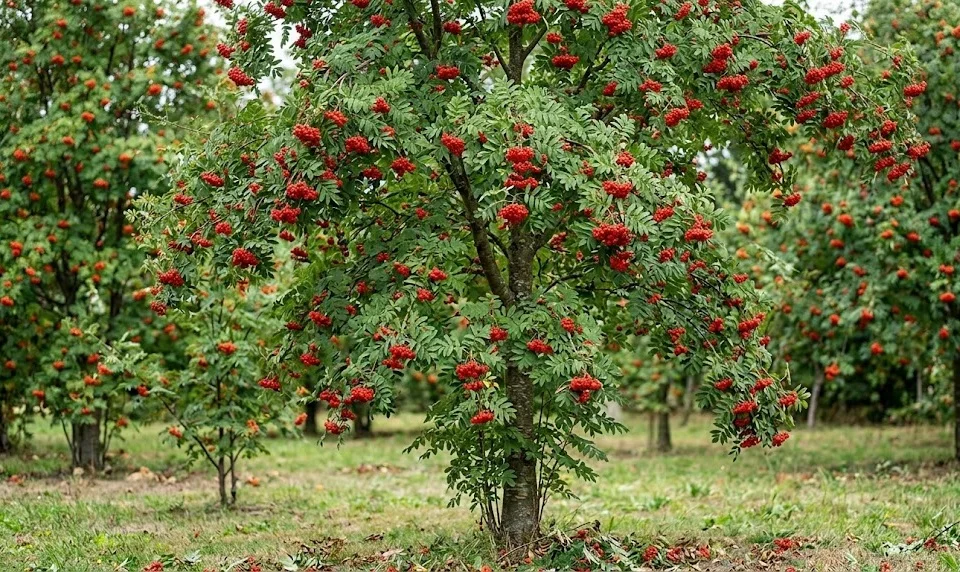
Properly managing the water supply for a newly planted mountain ash is the single most important factor in ensuring its survival through the first growing season. During this initial phase, the tree’s root system is limited to the original root ball and has not yet expanded into the surrounding soil. This means the plant has a very small reservoir to draw from, making it highly susceptible to even brief periods of drought. You should aim to keep the soil consistently moist but never saturated, as excess water can deprive the roots of necessary oxygen.
A deep watering schedule is far more effective than frequent, light applications of water which only dampen the surface. By applying water slowly over a long period, you allow the moisture to penetrate deep into the ground where it is needed. This practice encourages the roots to grow deeper in search of water, which will eventually make the tree much more resilient to dry conditions. Using a soaker hose or a dedicated tree watering bag can help automate this process and ensure the water goes exactly where it belongs.
Environmental factors like wind, temperature, and sun exposure will dictate how often you need to intervene with supplemental irrigation. On hot, windy days, the tree can lose moisture through its leaves faster than the unestablished roots can replace it. You should check the soil moisture by feeling the earth several centimeters below the surface rather than relying on the appearance of the top layer. If the soil feels dry at that depth, it is time to provide a thorough soaking to the entire root zone.
As the first season progresses, you can gradually increase the interval between waterings while increasing the volume applied each time. This transition helps the tree adapt to the natural fluctuations of the environment while still providing a safety net. By the end of the first autumn, the tree should have a much better foothold in its new location. However, do not forget to provide a final deep watering before the ground freezes for the winter to prevent desiccation.
Drought management and summer watering
Once a mountain ash has become established, it develops a reasonable degree of drought tolerance, but it still performs best with regular moisture. During the peak of summer, high temperatures and low rainfall can put significant physiological stress on the foliage and the developing berries. You will notice that the leaves may start to droop or lose their vibrant green color if the tree is struggling for water. Providing a deep soak every ten to fourteen days during extended dry periods will maintain the tree’s health and aesthetic appeal.
More articles on this topic
Watering should ideally be done in the early morning or late evening when evaporation rates are at their lowest. This ensures that the maximum amount of water reaches the root system rather than being lost to the atmosphere. Avoiding overhead watering is also a professional tip, as keeping the foliage dry helps prevent the development of fungal diseases. Focus your efforts on the area beneath the canopy’s edge, which is where the most active “feeder roots” are typically located.
In very sandy soils, water drains away quickly, requiring more frequent attention than in heavier clay or loamy soils. You might consider installing a simple irrigation system if you live in an area prone to long, dry summers to ensure consistency. Mulching remains your best ally during the heat of summer, as it significantly reduces the rate of surface evaporation. A well-mulched tree can often survive with half the supplemental water required by a tree growing in bare soil.
It is also important to recognize the signs of overwatering, which can be just as damaging as a lack of moisture. If the leaves turn yellow and drop while the soil is still wet, you may be dealing with poor drainage or excessive irrigation. Roots that sit in stagnant water will eventually rot, leading to a decline that is very difficult to reverse. Always let the top few centimeters of soil dry out slightly before the next major watering event to maintain a healthy balance.
Essential nutrients for vigorous growth
A professional fertilization program for the mountain ash should be based on the actual needs of the soil and the growth stage of the tree. These trees are generally not heavy feeders, but they do require a balanced supply of nitrogen, phosphorus, and potassium to thrive. Nitrogen is essential for the development of lush, green foliage and strong new shoots during the spring surge. Phosphorus supports a healthy root system and promotes abundant flowering, while potassium enhances overall disease resistance and hardiness.
More articles on this topic
In addition to the primary macronutrients, trace elements like iron, magnesium, and manganese are vital for maintaining the tree’s internal chemistry. A deficiency in iron, for example, can lead to interveinal chlorosis, where the leaves turn yellow while the veins remain green. This is often a sign that the soil pH is too high, making the iron already present in the soil unavailable to the tree. Professional growers often use chelated micronutrients to quickly correct these issues while working on long-term soil pH adjustments.
The best way to determine the nutrient status of your site is through a comprehensive soil analysis performed by a reputable laboratory. This test will tell you exactly what is missing and prevent you from applying excess fertilizer that could wash away and pollute local waterways. Over-fertilizing can also be harmful to the tree itself, sometimes leading to weak, spindly growth that is more attractive to pests. A targeted approach is always better for the health of the tree and the surrounding environment.
Organic matter in the form of compost or well-rotted manure provides a slow-release source of nutrients that mimics the natural forest floor. As these materials decompose, they release a steady stream of minerals while also improving the soil’s ability to hold onto water. This holistic approach to nutrition builds a resilient soil ecosystem that supports the tree for many decades. Using natural amendments also encourages the growth of beneficial mycorrhizal fungi which help the roots absorb nutrients more efficiently.
Organic vs. mineral fertilization
Choosing between organic and mineral fertilizers depends on your specific goals and the immediate needs of your mountain ash. Mineral fertilizers, often found in granular or liquid form, provide a quick and precise dose of nutrients that the plant can absorb almost immediately. They are excellent for correcting a known deficiency or giving a young tree an extra boost during its first few years of growth. However, they do little to improve the long-term structure of the soil and can sometimes lead to salt buildup if overused.
Organic fertilizers, such as bone meal, fish emulsion, or seaweed extracts, work more slowly but offer a wider range of benefits for the entire garden. They feed the soil microbes and earthworms, which in turn create a more hospitable environment for the tree’s roots. Because organic nutrients are released gradually, there is a much lower risk of “burning” the roots or causing sudden, weak growth spurts. Many professional arborists prefer this sustainable approach for established trees that are already in good health.
You can also use a combination of both methods by applying a light dose of mineral fertilizer in the early spring and following up with organic mulch. This gives the tree a quick start while ensuring a steady supply of nutrients throughout the remainder of the growing season. The key is to avoid high-nitrogen fertilizers late in the summer, as this can stimulate soft growth that will be killed by the first frost. Always follow the manufacturer’s instructions carefully to ensure you are applying the correct amount for the size of your tree.
Ultimately, the best “fertilizer” for a mountain ash is a healthy, living soil that is rich in organic carbon and microbial life. By regularly adding compost and leaf mold, you are building a system that can largely sustain itself without heavy chemical intervention. This not only results in a healthier tree but also a more environmentally friendly landscape. Monitoring the tree’s response to your fertilization efforts will help you fine-tune your approach over the coming years.
Timing and application techniques
The timing of nutrient application is just as important as the type of fertilizer you choose to use. The ideal window for fertilizing a mountain ash is in early spring, just as the buds begin to show signs of movement. This ensures that the nutrients are available in the root zone exactly when the tree needs them for its primary growth flush. Fertilizing too early in the winter is wasteful as the nutrients may wash away before the roots are active enough to take them up.
If you are using granular fertilizer, it should be spread evenly across the soil surface, starting about thirty centimeters from the trunk and extending slightly beyond the dripline. The dripline is the area directly beneath the outermost tips of the branches, where the majority of the active roots are found. You should always water the area thoroughly after applying granular fertilizer to help the nutrients move down into the soil. Never pile fertilizer against the base of the trunk, as the high concentration of minerals can damage the bark.
For larger or more stressed trees, deep-root feeding with a liquid fertilizer can be a highly effective professional technique. This involves using a specialized probe to inject the nutrient solution directly into the soil at a depth of fifteen to twenty centimeters. This method bypasses the surface grass or weeds and delivers the food exactly where the tree’s roots can access it. It is also an excellent way to aerate the soil and deliver moisture to deeper layers during a dry spring.
Consistency and moderation are the hallmarks of a successful long-term fertilization strategy for the mountain ash. It is far better to apply small amounts of nutrients annually than to provide a massive dose every few years. Keep a record of what you have applied and how the tree has responded in terms of leaf color, growth rate, and fruit production. This professional documentation will allow you to adjust your care routine as the tree enters different stages of its life cycle.