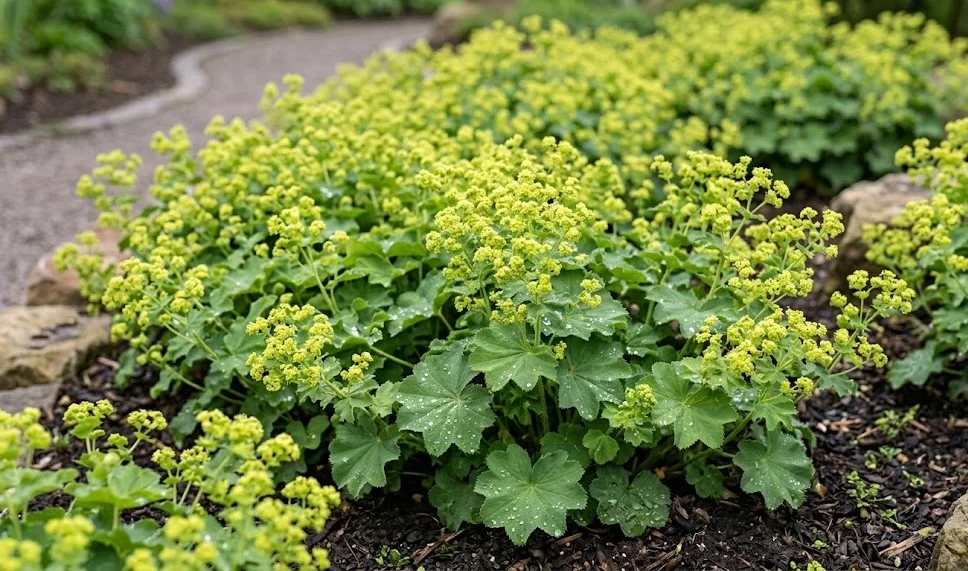

The health and vigor of your garden are directly linked to the management of water and nutrients within the soil profile. While the lady’s mantle is known for its durability, it achieves its peak aesthetic form when provided with consistent hydration and a balanced supply of minerals. Understanding the specific physiological needs of this perennial will allow you to tailor your care routine to match the changing demands of the growing season. This expert guide focuses on the best practices for watering and fertilizing to ensure your plants remain lush, green, and beautiful throughout the year.
Watering is more than just a chore; it is a critical intervention that influences everything from nutrient uptake to the plant’s ability to withstand heat. You must learn to read the subtle signs that the soil moisture is dropping below the ideal level for optimal growth. Overwatering can be just as detrimental as drought, so finding the correct balance is the key to a professional-grade landscape. By mastering the art of hydration, you can ensure that your perennials always have the resources they need to thrive.
Fertilization provides the chemical building blocks necessary for the production of foliage, flowers, and strong root systems. You should approach nutrient management with a focus on long-term soil health rather than just short-term growth spurts. Using a mix of organic and mineral supplements allows you to provide a steady supply of essential elements while also improving the structure of the earth. A well-fed plant is more resilient to pests, diseases, and environmental stressors, making your overall garden maintenance much easier in the long run.
Integrating your watering and fertilization routines creates a synergistic effect that maximizes the efficiency of both practices. Nutrients must be dissolved in water to be absorbed by the roots, so timing your fertilizer applications with your irrigation schedule is a wise professional strategy. As you gain more experience, you will develop a sense of the natural rhythms of your garden and how to adjust your inputs based on the weather and the plant’s development. This detailed approach to plant nutrition and hydration is what defines a truly expert horticultural practice.
Establishing a watering routine
Creating a regular watering schedule is the foundation of effective garden management, especially during the active growing months of spring and summer. You should aim to water your perennials early in the morning before the sun’s intensity increases and evaporation rates soar. This timing allows the foliage to dry out quickly during the day, which significantly reduces the risk of fungal infections on the leaves. Consistency in your routine helps the plant establish a stable internal water balance and prevents the stress of alternating between drought and saturated soil.
More articles on this topic
The amount of water required can vary significantly depending on the age of the plant, the soil type, and the current weather conditions. You should perform a simple finger test by sticking your finger into the soil near the base of the plant to feel the moisture levels a few inches down. If the soil feels dry at that depth, it is time to provide a thorough soaking that reaches the entire root zone. Avoid light, frequent sprinklings, as these only dampen the surface and encourage shallow root growth that is more vulnerable to drying out.
During periods of extreme heat or prolonged drought, you may need to increase the frequency of your watering to compensate for the higher transpiration rates. You should pay close attention to any signs of wilting or leaf curling, which are the plant’s way of telling you that it is losing water faster than it can take it up. Providing an extra deep soak during these times can be a lifesaver for your perennials and will prevent permanent damage to the foliage. Remember that even drought-tolerant plants require extra support when environmental conditions become exceptionally harsh.
As the weather cools in the autumn, you should gradually reduce the frequency of your watering as the plant’s metabolic activity slows down. The goal is to keep the roots hydrated without leaving the soil excessively wet as the plant enters its dormant phase. This transition period is important for allowing the plant to harden off its tissues and prepare for the freezing temperatures of winter. By adjusting your routine to the seasons, you ensure that the plant always has the appropriate amount of moisture for its current stage of development.
Moisture retention strategies
Maximizing the efficiency of the water you provide is an essential skill for any sustainable and professional gardening practice. You should utilize high-quality organic mulch, such as compost or wood chips, to create a protective barrier on the soil surface. This layer significantly reduces evaporation from the earth, keeping the root zone cooler and more hydrated for longer periods. Mulching also prevents the soil surface from crusting over, which allows future rainwater and irrigation to penetrate more easily into the ground.
More articles on this topic
The structure and organic content of your soil also play a massive role in how well it can hold and distribute moisture to your plants. You can improve the water-holding capacity of sandy soils by regularly incorporating well-rotted manure or leaf mold into the top layers. In heavy clay soils, these same organic amendments help to create larger pore spaces that allow water and air to move more freely. By focusing on soil health, you are essentially building a natural reservoir that supports your perennials through both wet and dry spells.
Using specialized tools like soaker hoses or drip irrigation can deliver water directly to the soil surface without wasting it through evaporation or runoff. You should arrange these systems so that they provide consistent moisture across the entire root zone of your lady’s mantle clumps. This targeted approach keeps the delicate leaves dry, which is particularly important for maintaining the aesthetic beauty of the foliage. These systems can often be put on a timer, ensuring that your garden receives the hydration it needs even when you are not there to supervise.
Another expert strategy involves the use of companion plants that can help shade the soil and create a more humid microclimate at the ground level. You can plant the lady’s mantle alongside other moisture-loving perennials that have different growth habits to create a dense, protective canopy. This community approach to planting reduces the overall water demand of the garden by creating a more stable and self-regulating environment. Observing how different plant combinations affect soil moisture will help you design a more resilient and water-efficient landscape in the future.
Fertilization fundamentals
Proper fertilization is about providing the right nutrients at the right time to support the natural growth cycles of your perennials. You should ideally apply a balanced, slow-release fertilizer in early spring as the first new leaves begin to emerge from the crown. This timing ensures that the essential elements are available to the plant during its most vigorous period of leaf and flower production. Avoid high-nitrogen fertilizers that promote excessive, soft growth, as this can make the plant more attractive to pests and less resilient to environmental stress.
Understanding the role of the three primary nutrients—nitrogen, phosphorus, and potassium—will help you make informed decisions about your fertilization strategy. Nitrogen supports the development of lush green foliage, phosphorus is essential for strong root systems and flowering, while potassium improves overall plant health and stress tolerance. A balanced formula, often labeled as 10-10-10 or something similar, is usually sufficient for the needs of the lady’s mantle. By providing a steady supply of these elements, you ensure that the plant has the foundation it needs for a productive season.
Secondary nutrients and trace elements, such as calcium, magnesium, and iron, are also vital for the complex biochemical processes within the plant. You should ensure that your soil has a healthy level of organic matter, which naturally provides many of these micro-nutrients through the process of decomposition. If you notice specific symptoms like yellowing between the leaf veins, you may need to apply a specialized foliar spray or soil amendment to correct a deficiency. Professional soil testing every few years is the only way to accurately track these levels and avoid over-fertilizing with elements that are already abundant.
The method of application is just as important as the choice of fertilizer itself for achieving the best results in your garden. You should spread the granular fertilizer evenly around the base of the plant, avoiding direct contact with the stems or leaves to prevent chemical burns. After applying the nutrients, always water the area thoroughly to help dissolve the fertilizer and move it down into the root zone. This ensures that the plant can begin using the nutrients immediately and reduces the risk of the fertilizer being washed away by surface runoff.
Organic vs mineral supplements
Choosing between organic and mineral fertilizers is a common decision for gardeners, and each has its own set of advantages for perennial care. You might prefer organic options like compost, bone meal, or fish emulsion because they improve soil structure and support beneficial microbial life. These materials release their nutrients slowly as they break down, providing a steady supply of food over a longer period. While they may act more slowly than chemical options, the long-term benefits to the overall health of the garden ecosystem are significant.
Mineral or synthetic fertilizers are highly concentrated and provide a quick boost of nutrients that is easily controlled by the gardener. You can use these products to quickly correct a specific nutrient deficiency or to provide an extra push during a critical growth phase. However, you must be careful not to over-apply these powerful chemicals, as they can lead to salt buildup in the soil and potentially harm the delicate root systems. Professional gardeners often use a hybrid approach, relying on organic matter for baseline health and using mineral supplements for targeted interventions.
The impact of your fertilization choices extends beyond the individual plant to the broader environment and local water systems. You should always follow the manufacturer’s instructions and avoid applying any fertilizer just before a heavy rainstorm, which could wash the chemicals into nearby storm drains. Organic supplements are generally less likely to leach into the groundwater, making them a more sustainable choice for those concerned with ecological stewardship. By being a responsible steward of your garden’s chemistry, you contribute to a healthier and more vibrant community environment.
Ultimately, the best fertilization strategy is one that responds to the actual needs of your plants and the specific conditions of your soil. You should observe the growth habit and color of your lady’s mantle throughout the season to gauge the effectiveness of your nutrient applications. A healthy plant should exhibit strong, upright stems and deep green leaves with no signs of stunting or unusual discoloration. Over time, you will develop a personalized approach that combines the best of both organic and mineral worlds to create a truly spectacular garden display.
Troubleshooting hydration issues
Despite your best efforts, you may occasionally encounter problems related to the moisture levels in your garden beds. You should be able to recognize the difference between a plant that is dry and one that is suffering from poor drainage and root rot. Both conditions can cause wilting, but a waterlogged plant will often have yellowing leaves and a soft, mushy base at the soil line. If you suspect drainage is an issue, you may need to lift the plant and amend the soil with grit or move it to a more elevated position in the landscape.
Localized dry spots can occur even in well-watered gardens due to soil compaction or the presence of hidden obstacles beneath the surface. You should check the area around any struggling plants for signs of hard, hydrophobic soil that repels water rather than absorbing it. If you find such a spot, you can use a garden fork to gently aerate the soil and then apply a organic wetting agent to help restore its water-absorbing properties. This targeted intervention can quickly turn around a struggling plant and prevent a minor issue from becoming a major loss.
Extreme weather events like heatwaves or unexpected frosts can also disrupt the plant’s internal water management system. You should be prepared to provide extra protection or hydration during these times to help the perennials cope with the sudden environmental pressure. Using temporary shade cloth or windbreaks can reduce the rate of water loss from the leaves and give the plant a chance to recover. Quick action and a flexible approach are essential for navigating the challenges of an unpredictable climate and keeping your garden in top condition.
Finally, you should always consider the age and size of the plant when evaluating its hydration needs and responses to stress. Younger plants with smaller root systems will naturally be more sensitive to dry spells than large, established clumps that can reach deeper into the soil. You should prioritize your watering efforts on new additions and recently divided sections of your lady’s mantle collection. By understanding the specific vulnerabilities of each plant, you can allocate your resources more effectively and ensure the survival of your most precious garden assets.