
Achieving the best results with this biennial requires a balanced approach to hydration and nutrition that respects its natural cycle. While the plant is relatively hardy, its performance is significantly enhanced by a consistent supply of water and the right minerals. During its first year, the focus is on building a strong root system, which demands careful attention to soil moisture. As it transitions into its second, more demanding year, the nutritional requirements shift to support rapid growth and flowering.
The primary rule of watering this species is to maintain a consistent level of moisture without creating a soggy environment. The taproot is sensitive to oxygen deprivation, so the soil must have excellent drainage to allow excess water to escape. During periods of active growth, the soil should be kept damp to a depth of several centimeters. Inconsistent watering can lead to physiological stress, which often manifests as yellowing leaves or stunted growth.
Early morning is the ideal time for irrigation, as it allows the foliage to dry before the evening, reducing the risk of fungal diseases. If you must water in the evening, try to apply the water directly to the base of the plant to keep the leaves dry. Using a soaker hose or drip irrigation system is a highly efficient way to deliver moisture exactly where it is needed. These methods also reduce water waste and prevent the soil surface from becoming compacted.
During the first year’s summer, the young rosettes may need more frequent attention, especially during heatwaves. A thick layer of organic mulch can help retain moisture in the soil and keep the root zone cool. If the leaves begin to wilt in the afternoon, it is a clear sign that the plant is struggling to keep up with transpiration. A deep, slow soaking will usually revive the plant and help it recover from the heat stress.
Nutritional requirements throughout the cycle
Fertilization for these plants should be targeted and purposeful rather than a general broadcast approach. In the first year, the goal is to encourage steady, healthy leaf and root development without forcing excessive growth. A soil that has been amended with well-rotted compost usually provides enough baseline nutrition for the initial months. If the soil is particularly poor, a light application of a balanced granular fertilizer in mid-summer can be beneficial.
More articles on this topic
As the second year begins, the plant’s appetite for nutrients increases dramatically as it prepares to send up its flower spikes. This is the time to apply a fertilizer that is slightly higher in phosphorus to encourage strong floral development. Avoid using high-nitrogen products at this stage, as they can lead to lanky, weak stems that might collapse under their own weight. A slow-release formula ensures a steady supply of nutrients throughout the entire blooming period.
Organic amendments like bone meal or seaweed extract are excellent choices for providing a broad spectrum of micronutrients. These natural options break down slowly, feeding the soil life as well as the plants themselves. Healthy soil biology helps make existing nutrients more available to the plant’s roots, creating a more resilient system. Maintaining a healthy soil structure is just as important as the chemical composition of the nutrients you add.
Observing the plant’s color and growth habit provides the best clues for its nutritional needs. Dark green, sturdy leaves indicate a well-nourished plant, while pale or yellowish foliage may suggest a nitrogen deficiency. If the stems seem brittle or the flowers are sparse, it might be time to look at the potassium and phosphorus levels. Professional gardeners often use soil tests to take the guesswork out of their fertilization routines.
Managing water during the flowering stage
When the flower spikes begin to emerge in the second spring, the plant’s water consumption reaches its peak. This rapid expansion of biomass requires a steady stream of moisture to maintain the turgor pressure in the stems. If the soil dries out completely during this stage, the flower buds may fail to open or may drop prematurely. Providing extra water during this three to four-week window is crucial for a spectacular show.
More articles on this topic
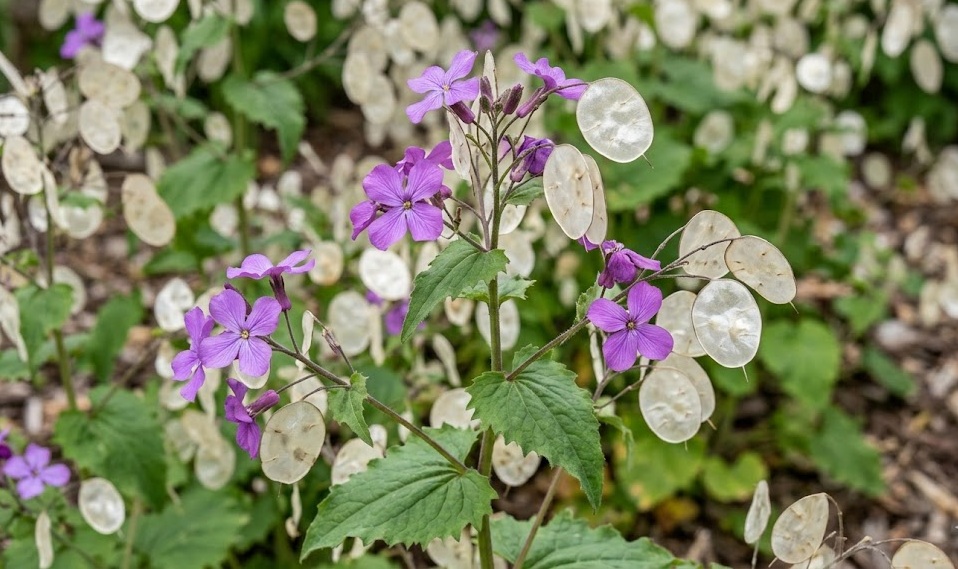
The transition from flowering to pod formation is another critical period for hydration management. The development of the seed pods requires significant metabolic energy and a continuous supply of water. Drought stress during this time can result in smaller pods that lack the characteristic circular shape and translucent quality. Ensuring the soil remains moist until the pods have reached their full size is the secret to high-quality decorative stems.
In very sandy soils, water can drain away too quickly, making it difficult for the plant to stay hydrated. In such cases, incorporating more organic matter is more effective than simply increasing the volume of water applied. Organic matter acts like a sponge, holding onto moisture and releasing it slowly to the roots over several days. This creates a more stable environment for the plant, even during the hottest parts of the summer.
Rainfall can be unpredictable, so the gardener should always be prepared to supplement with manual watering. A simple rain gauge in the garden can help you track how much natural moisture the plants are receiving. If a week passes without significant rain, it is usually time to provide a thorough soaking. This proactive approach prevents the plants from ever entering a state of severe drought stress.
Fertilization techniques for professional results
The method of application can be just as important as the type of fertilizer used in the garden. For granular fertilizers, always scratch them gently into the top layer of soil and then water thoroughly to activate them. This ensures the nutrients move down into the root zone where they can be absorbed by the plant. Avoid letting the fertilizer granules touch the stems or leaves, as this can cause localized chemical burns.
Liquid fertilizers are an excellent choice for providing a quick “pick-me-up” during the peak of the growing season. They are easily absorbed by the roots and can even be applied to the foliage for a rapid nutrient boost. However, liquid feeds should be used as a supplement to, rather than a replacement for, a healthy soil base. They are particularly useful if you notice signs of nutrient stress that need immediate correction.
Compost tea is another professional favorite for maintaining the health of these biennials. It provides a gentle dose of nutrients along with a host of beneficial microbes that improve soil health. Applying compost tea every few weeks can enhance the plant’s natural resistance to diseases and pests. It is a sustainable, low-cost way to ensure the garden remains vibrant and productive.
The timing of the final fertilization of the season should be carefully considered to avoid late-season growth surges. Stop applying nitrogen-heavy fertilizers by mid-summer of the second year to allow the plant to focus on seed maturation. This allows the stems to harden naturally as they dry, resulting in better quality pods for harvest. Proper timing ensures that the plant completes its life cycle in a healthy and orderly fashion.
Balancing moisture and nutrient levels
The relationship between water and nutrients is a fundamental aspect of professional gardening. Nutrients can only be taken up by the roots when they are dissolved in soil moisture. Therefore, applying fertilizer to bone-dry soil is not only ineffective but can also damage the delicate root hairs. Always ensure the soil is damp before applying any concentrated nutrients to protect the plant’s vascular system.
Over-watering can be just as detrimental as under-watering because it leaches essential nutrients out of the root zone. In heavy rain areas, nutrients like nitrogen and potassium can be washed away, leading to deficiencies despite regular fertilization. If your garden experiences a very wet spring, you may need to apply a light booster dose of fertilizer once the weather dries out. Maintaining this balance requires a keen eye for both the weather and the plant’s appearance.
The type of mulch used can also influence the nutritional balance of the soil over time. Bark-based mulches can sometimes tie up nitrogen as they decompose, which might require a slight increase in fertilization. On the other hand, a mulch of well-rotted manure or compost adds nutrients as it breaks down, reducing the need for external inputs. Choosing the right mulch is a key part of an integrated approach to garden management.
Ultimately, the goal of watering and fertilization is to support the plant’s natural vigor. A plant that is neither stressed by thirst nor overwhelmed by excessive chemicals will always perform the best. By mimicking the natural cycles of its woodland origins, you can create a garden environment where these biennials flourish. This attentive care results in the beautiful silver “coins” that have made this plant a garden favorite for centuries.