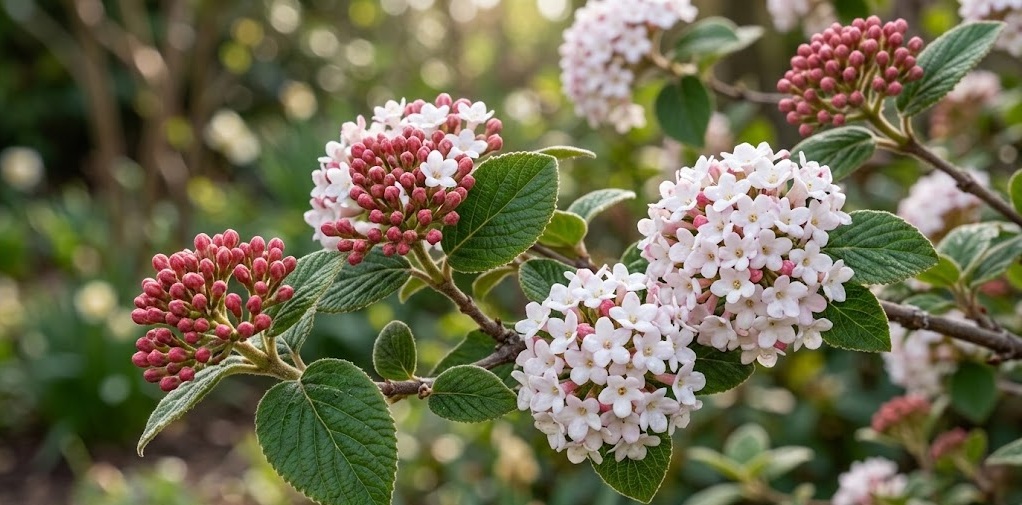

Watering and fertilization are the two primary ways a gardener can directly influence the health and blooming potential of the fragrance viburnum. You should approach these tasks with a professional mindset, recognizing that consistency and timing are often more important than the quantity of the inputs. Over the course of the growing season, the needs of the plant will change according to the temperature and its stage of development. Mastering these fundamental techniques will ensure that your shrub remains a vigorous and fragrant centerpiece in your landscape.
Effective hydration goes beyond simply splashing water on the surface of the soil around the base of the plant. You should aim for a deep soaking that reaches the entire root zone, encouraging the roots to grow downward rather than staying near the surface. This creates a much more resilient plant that can better withstand periods of unexpected drought or heat. Understanding the physics of water movement in your specific soil type is a key part of expert garden management.
Fertilization provides the chemical building blocks that the plant needs to create new leaves, strong stems, and those iconic spring flowers. You should choose a product that offers a balanced ratio of the three main nutrients, but also contains essential trace elements for long-term health. Applying fertilizer at the wrong time of year can actually do more harm than good by stimulating growth that cannot survive the winter. A well-planned nutritional schedule is a sign of a truly knowledgeable and dedicated horticulturist.
Monitoring the plant’s reaction to your watering and feeding program is the best way to fine-tune your approach over time. You will see that a well-fed and hydrated viburnum has a certain luster to its leaves and a robust growth habit that is easy to recognize. If the plant looks dull or the growth is stunted, it is an invitation to re-evaluate your current maintenance strategy. Your observations are the most valuable tool you have for keeping your garden in peak condition.
Hydration principles and soil moisture management
The first rule of watering is to ensure that the moisture actually penetrates the soil and reaches the root system where it is needed. You should avoid light, frequent waterings that only dampen the top inch of the earth and quickly evaporate in the sun. Instead, focus on a slow, steady application that allows the water to seep deep into the ground over a longer period. This method supports the deeper roots that provide the plant with its ultimate stability and health.
More articles on this topic
Checking the moisture level manually is a simple but effective professional technique that prevents guesswork in the garden. You should insert your finger or a wooden dowel several inches into the soil to feel if the ground is truly dry or still moist. Often, the surface can look dry while the area around the roots is still perfectly fine, or vice versa. This hands-on approach saves water and prevents the stress associated with both under-watering and over-watering.
The type of soil you have will dictate how often and how much you need to provide extra hydration to your shrub. You will find that sandy soils drain very quickly and require more frequent attention than heavy clay soils that hold onto water for a long time. Incorporating organic matter can help balance these extremes, but you still need to adjust your schedule based on the physical reality of your site. Knowing your soil is the first step toward a perfect watering routine.
Using a soaker hose or a drip irrigation system can provide a highly efficient way to manage the hydration of your viburnum. You should place the tubing under the mulch layer to minimize evaporation and deliver water directly to the soil surface. This professional setup reduces the amount of water lost to the air and keeps the foliage dry, which helps prevent many common leaf diseases. Technology, when used correctly, can significantly improve the health of your garden while saving you time.
Summer watering strategies for heat resistance
When the high temperatures of mid-summer arrive, the plant’s demand for water increases significantly as it tries to cool itself through transpiration. You should consider increasing the frequency of your deep soaks during these weeks to prevent the shrub from entering a state of heat stress. Early morning is the best time for this task, as it allows the plant to fully hydrate before the sun reaches its peak intensity. A morning routine ensures that the moisture is available when the plant needs it most.
More articles on this topic
Mulching plays a vital role in your summer watering strategy by acting as an insulating blanket for the soil. You should check that the mulch layer is still thick enough to block the sun’s rays and keep the root zone cool. This simple layer can reduce soil evaporation by up to fifty percent, making your watering efforts much more effective. A cool root system is essential for maintaining the overall vigor of the plant during a heatwave.
If you see the leaves beginning to wilt or curl during the hottest part of the day, do not panic and immediately add more water if the soil is already damp. You should check the plant again in the evening or early the following morning to see if it has recovered on its own. Often, wilting is a temporary defense mechanism used by the plant to reduce moisture loss rather than a sign of true dehydration. Learning to distinguish between temporary wilting and actual thirst is a mark of an experienced gardener.
During extended periods of drought, you may need to prioritize the health of your established shrubs over other parts of the landscape. You should focus your limited water resources on providing a weekly deep soak for your viburnum to ensure its long-term survival. Even if the plant stops growing or looks a bit tired, keeping the root system alive is the most important goal. A resilient shrub like this can bounce back quickly once the rains return, provided the roots remain healthy.
Fertilizer selection and nutritional requirements
Choosing the right fertilizer involves understanding the specific needs of flowering shrubs and the current state of your soil. You should look for a balanced, slow-release granules that will provide a steady supply of nutrients over several months. A formula with a slightly higher phosphorus content can be beneficial if you want to encourage more profuse blooming in the following year. However, avoid over-applying high-nitrogen products that might lead to excessive leaf growth at the expense of flowers.
Organic fertilizers, such as composted manure or specialized organic blends, offer a more holistic approach to plant nutrition. You should consider these options because they also improve the soil structure and support the beneficial fungi and bacteria that live near the roots. These organisms help the plant break down and absorb minerals that might otherwise be unavailable in the soil. Building a living soil is the most sustainable way to provide for your garden’s nutritional needs.
Micronutrients like iron, manganese, and zinc are just as important as the big three nutrients, even though they are needed in smaller amounts. You should observe the color of the new leaves carefully to spot any signs of specific mineral deficiencies that might need addressing. Using a fertilizer that includes a full spectrum of trace elements is a good insurance policy for the overall health of the shrub. A complete nutritional profile ensures that all the plant’s biological processes are functioning correctly.
Avoid the temptation to use “quick fix” liquid fertilizers too often, as they can cause a rapid spike in growth that is physically weak. You should view fertilization as a long-term investment in the plant’s structure rather than a way to get instant results. Slow and steady growth is always preferable for creating a sturdy, long-lived shrub that can handle environmental challenges. A patient approach to nutrition leads to the most professional and aesthetically pleasing results.
Application timing and seasonal schedules
The timing of your fertilizer application is just as important as the type of product you choose to use. You should apply your primary dose of fertilizer in the early spring, just as the new growth begins to emerge from the dormant buds. This provides the plant with the energy it needs for its most active period of the year, including flowering and leaf production. A well-timed spring feeding sets the tone for the entire growing season.
A second, lighter application can be made in late spring or early summer after the flowers have faded to support the next phase of growth. You should avoid any fertilization after mid-summer, as this can encourage new growth that won’t have time to harden off before the first frost. Soft, late-season growth is highly susceptible to winter damage and can weaken the overall health of the shrub. Following a strict seasonal schedule is a key part of expert plant management.
When applying granular fertilizer, you should always spread it evenly over the entire root zone, starting a few inches from the trunk and moving outward. Watering the area immediately after application is essential to begin dissolving the granules and moving the nutrients into the soil. Never leave fertilizer sitting on the leaves of the plant, as it can cause chemical burns that damage the foliage. Proper application technique ensures that the plant gets the benefits without any negative side effects.
For older, established shrubs, you may find that they need less frequent fertilization than younger, faster-growing specimens. You should base your decisions on the overall appearance and growth rate of the plant each year rather than following a rigid formula. If the shrub is healthy and blooming well, a simple annual top-dressing of compost may be all that is required. Expert gardening is about being responsive to the individual needs of each plant in your care.
Soil testing and data-driven gardening
Performing a professional soil test every few years is the best way to take the guesswork out of your fertilization routine. You should collect several small samples from different areas around the shrub and send them to a lab for a complete analysis. The results will tell you exactly which nutrients are lacking and what the current pH level of your soil is. This data allows you to create a customized feeding plan that is both efficient and highly effective.
Adjusting the soil pH is often the most important thing you can do to improve the availability of nutrients already present in the ground. You will find that if the soil is too alkaline, the viburnum may struggle to take up iron, leading to yellowing leaves and poor health. Adding elemental sulfur or iron sulfate can help lower the pH to the preferred range for this specific shrub. Managing the chemistry of the soil is a more advanced but rewarding aspect of professional horticulture.
Keeping records of your soil tests and the fertilizers you use allows you to see how your garden is changing over time. You should note any improvements in plant health or blooming that seem to correspond with specific changes in your routine. Over time, you will develop a deep understanding of what works best for your particular site and microclimate. This evidence-based approach is what separates the casual gardener from the true horticultural expert.
Ultimately, the goal of a good watering and fertilization program is to support the plant’s natural ability to thrive. You should aim to provide a stable and supportive environment that allows the viburnum to reach its full potential for beauty and fragrance. When the plant is healthy, it is also much more capable of resisting pests and diseases on its own. Your dedication to these fundamental care tasks is the foundation of a truly successful and professional garden.