
Achieving the perfect balance of moisture and nutrients is the secret to a thriving flowering almond that produces a breathtaking spring display every year. While this shrub is relatively resilient, its performance is directly linked to the consistency and quality of the resources provided during its active growth phases. Understanding how to manage these inputs requires a professional approach that considers soil type, local weather patterns, and the plant’s unique phenology. By refining your watering and feeding techniques, you can ensure that your garden remains a healthy and vibrant environment for this ornamental favorite.
Principles of effective hydration
Water is the lifeblood of the flowering almond, facilitating the transport of nutrients from the soil to the furthest tips of the branches. During the first two years after planting, the shrub requires more frequent attention to ensure the root system establishes itself properly. You should aim to keep the soil consistently moist but never waterlogged, as oxygen is just as important for root health as water. Once established, the plant becomes more drought-tolerant, but supplemental watering remains necessary during dry spells to maintain its vigor.
The method of delivery is just as important as the amount of water applied to the root zone. You should always aim to water at the base of the plant rather than spraying the foliage from above with a sprinkler. Wet leaves are much more susceptible to fungal diseases like powdery mildew and leaf spot, which can quickly ruin the appearance of the shrub. Using a soaker hose or a slow-drip system allows the water to penetrate deep into the soil where it is needed most.
Deep watering is far superior to frequent, shallow applications that only dampen the top inch of the soil. Shallow watering encourages the roots to stay near the surface, making the plant more vulnerable to heat stress and rapid drying. You should apply enough water to reach a depth of at least six to eight inches, which usually takes about thirty to forty minutes of slow soaking. This encourages a deep, robust root system that can tap into moisture reserves deeper in the earth during times of scarcity.
Observation is your best tool for determining when the plant actually needs a drink. Rather than sticking to a rigid calendar schedule, you should check the moisture level of the soil by hand. If the soil feels dry two inches below the surface, it is time to water; if it still feels damp, you can wait another day or two. Remember that environmental factors like wind and humidity can change the plant’s water needs from week to week, so stay flexible in your approach.
More articles on this topic
Seasonal watering adjustments
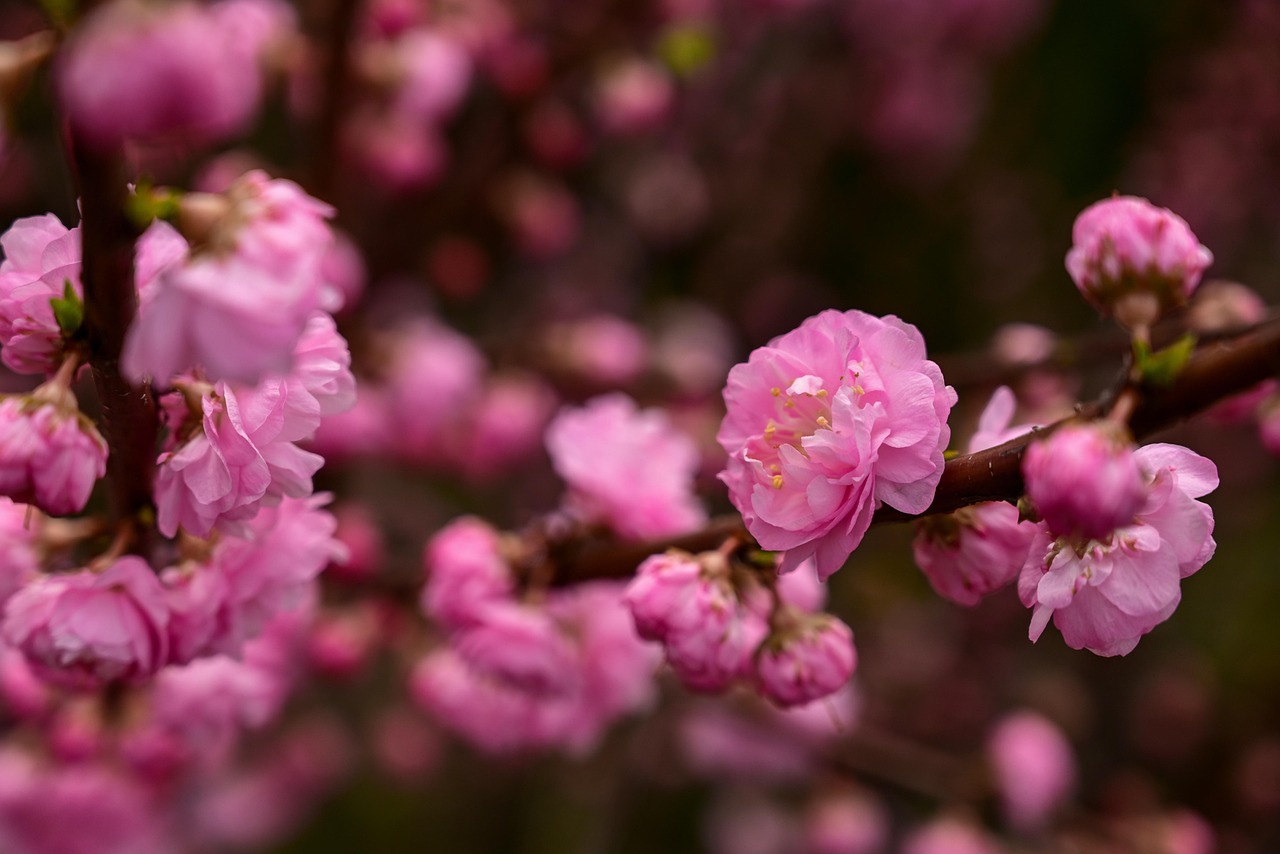
In the early spring, as the buds begin to swell and the flowers open, the plant’s demand for water increases significantly. This is a critical period where moisture stress can lead to the flowers wilting and dropping before they have finished their display. If the spring is unusually dry, you must provide extra water to support the massive energy expenditure of blooming. A well-hydrated plant will have more vibrant color and the flowers will last several days longer on the branches.
Summer brings higher temperatures and increased evaporation, making it the most challenging time for moisture management. During July and August, the flowering almond focuses on building new wood and setting buds for the following year, which requires a steady supply of water. You may need to increase the frequency of your deep soaking sessions to twice a week if there is no significant rainfall. Pay close attention to any signs of wilting in the afternoon, which is the plant’s way of telling you it is struggling to keep up with the heat.
As autumn approaches and the days grow shorter, the plant begins to prepare for its winter dormancy. You should gradually reduce the frequency of watering to signal to the plant that it is time to stop producing new growth. However, do not stop watering entirely until the ground freezes, especially if the autumn is particularly dry. Ensuring the root zone is well-hydrated before the winter sets in will help the plant survive the dehydrating effects of cold winds and frozen soil.
Winter watering is generally not necessary for shrubs planted in the ground, as the plant is dormant and the soil usually stays moist enough. However, if you are growing a flowering almond in a large container, you should check it periodically during extended thaws. Potted plants can dry out much faster than those in the ground, and a small amount of water on a warm winter day can prevent root desiccation. Once the ground is frozen solid, you can safely ignore the watering needs until the spring thaw begins.
More articles on this topic
Understanding nutrient requirements
A professional approach to fertilization starts with knowing what is already in your soil before adding more chemicals. A soil test can reveal the specific levels of nitrogen, phosphorus, and potassium, as well as essential micronutrients. The flowering almond generally performs best with a balanced fertilizer that supports both green growth and flower production. Over-fertilizing with high-nitrogen products can lead to a lush, leafy shrub with very few flowers, which is usually not the goal for this ornamental species.
Nitrogen is essential for the development of healthy foliage and the overall size of the shrub, but it must be used judiciously. Phosphorus is the key nutrient for root development and, more importantly, for the formation of flower buds in the summer. Potassium helps the plant regulate its water usage and strengthens its cellular structure, making it more resistant to diseases and environmental stress. A balanced ratio like 10-10-10 or a specific flowering shrub formula is usually the safest and most effective choice for home gardeners.
Micronutrients such as iron and magnesium also play a vital role in the long-term health of the flowering almond. If you notice the leaves turning yellow while the veins stay green, the plant might be suffering from iron deficiency, often caused by soil that is too alkaline. Adding a chelated iron supplement can quickly resolve this issue and restore the deep green color to the foliage. Always follow the manufacturer’s instructions for dosage, as more is not always better when it comes to concentrated nutrients.
The timing of fertilizer application is just as important as the type of product you choose to use. You should apply the first round of nutrients in the very early spring, just as the first signs of life appear in the buds. This provides the plant with the resources it needs to push out its blossoms and start its new growth cycle with vigor. A second, lighter application can be made in late spring after the flowers have faded to support the development of next year’s flower buds.
Application methods for success
When applying granular fertilizer, you should spread it evenly around the “drip line” of the shrub, which is the area directly under the outer edge of the branches. This is where the most active feeder roots are located, ready to absorb the dissolved nutrients. Avoid piling the fertilizer against the trunk of the plant, as the concentrated salts can cause chemical burns to the bark. After spreading the granules, you should always water the area thoroughly to help the nutrients move down into the root zone.
Liquid fertilizers offer a more immediate boost but tend to wash out of the soil much faster than granular forms. They are excellent for correcting specific deficiencies or giving a young plant a quick start in the spring. You can apply liquid feed every two to four weeks during the early growing season, but be careful not to overdo it. If you use a high-quality organic liquid like seaweed or fish emulsion, you also provide beneficial trace minerals and improve the soil’s biological health.
Organic amendments such as compost and well-rotted manure are excellent long-term alternatives to synthetic fertilizers. By spreading a two-inch layer of compost around the base of the plant every spring, you provide a slow-release source of nutrients. This method also improves the soil structure and increases its ability to hold moisture, which benefits the plant in multiple ways. Organic matter feeds the beneficial soil microbes, creating a self-sustaining ecosystem that supports the flowering almond for years to come.
Slow-release spikes or tablets are another option for those who prefer a more “set it and forget it” approach to garden maintenance. These products are designed to break down over several months, providing a steady trickle of nutrients to the root system. While convenient, they can sometimes lead to uneven nutrient distribution if they are not placed correctly. You should use multiple spikes around the perimeter of the plant to ensure that all parts of the root system have access to the feed.
Managing fertilizer stress
Too much fertilizer can be just as damaging as too little, leading to a condition known as “fertilizer burn.” This occurs when the salt concentration in the soil becomes so high that it actually draws moisture out of the plant’s roots. Signs of this include scorched leaf margins, wilting despite adequate water, and a general decline in the plant’s health. If you suspect you have over-fertilized, the best course of action is to flush the soil with large amounts of water to wash away the excess salts.
Late-season fertilization is a common mistake that can lead to significant winter damage for the flowering almond. If you apply nitrogen-rich fertilizer in late summer or autumn, the plant will produce soft, new growth that doesn’t have time to harden before the frost. This succulent growth will almost certainly be killed by the first freeze, and the resulting damage can open the door for pathogens. You should always stop all fertilization by mid-summer to allow the plant to naturally transition into its dormant phase.
Nutrient lockout is a phenomenon where the soil has plenty of nutrients, but the plant cannot absorb them because the pH is wrong. This is why testing your soil is so important, as even the best fertilizer won’t work if the soil chemistry is out of balance. If your soil is too acidic or too alkaline, you may need to apply lime or sulfur to bring the pH back into the optimal range. Once the pH is corrected, you will often find that the plant recovers its health without needing massive amounts of additional fertilizer.
Finally, always remember that a healthy, well-maintained shrub requires less intervention than one that is struggling. By focusing on building good soil health and providing consistent water, you reduce the plant’s reliance on synthetic chemical boosts. A holistic approach to garden care creates a more resilient flowering almond that can better withstand the ups and downs of the seasons. Treat fertilization as a supportive tool rather than a primary solution, and your garden will reap the rewards.