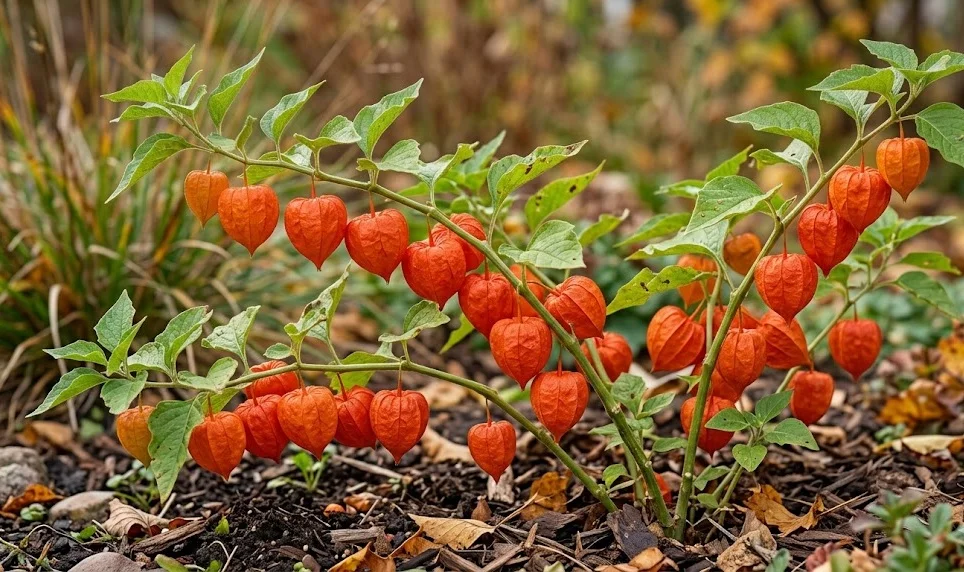

Mastering the balance of water and nutrients is essential for producing the most spectacular Chinese lantern displays. While this species is relatively adaptable, its performance is significantly enhanced by a professional approach to hydration and feeding. Proper moisture levels ensure that the foliage remains turgid and the developing lanterns reach their full size without shriveling. Similarly, a targeted fertilization strategy provides the necessary chemical building blocks for both growth and color production.
Consistent watering is particularly important during the first year of establishment when the root system is still expanding. Once the plant is mature, it becomes more drought-tolerant, but regular moisture still leads to better fruit production. The goal is to maintain a soil environment that is damp but never saturated, as excess water can lead to root rot. Observation of the plant’s leaves often provides the first clues about its current hydration needs.
Fertilization should be handled with a “less is more” philosophy to avoid the common mistake of over-feeding. High-nitrogen fertilizers can cause a surge in leaf growth at the expense of the ornamental lanterns. Instead, professionals focus on balanced nutrients that support the entire lifecycle of the plant from shoot to seed. Understanding the specific timing of nutrient application is just as important as the choice of fertilizer itself.
Environmental factors like wind, temperature, and soil type all play a role in how the plant uses water and nutrients. Sandy soils will require more frequent watering and smaller, more regular doses of fertilizer than heavy clay soils. During periods of high heat, the plant’s metabolic rate increases, necessitating a corresponding adjustment in your maintenance routine. A professional gardener stays attuned to these changes to provide the most precise care possible.
Principles of effective irrigation
The best time to water Chinese lanterns is in the early morning hours before the sun reaches its full intensity. This allows the moisture to penetrate deep into the soil and provides the plant with a reservoir to draw from throughout the day. Morning watering also gives any moisture on the foliage time to dry, which is a key factor in preventing fungal diseases. If evening watering is necessary, aim for the base of the plant to keep the leaves as dry as possible.
More articles on this topic
Deep watering is far more effective than frequent, shallow sessions for encouraging a resilient root system. By applying a large volume of water slowly, you encourage the roots to grow downward into the cooler, moister layers of the soil. This depth protects the plant during short periods of drought when the surface soil might dry out completely. A soaker hose or drip irrigation system is often the most efficient way to deliver water directly to the root zone.
During the peak of the growing season, you should monitor the soil moisture at a depth of two to three inches. If the soil feels dry at that level, it is time to provide a thorough soaking. Do not wait until the plant shows signs of wilting, as this indicates the plant is already under significant physiological stress. Consistent moisture levels prevent the husks from cracking or maturing prematurely due to water fluctuations.
Mulching plays a vital role in moisture management by reducing evaporation from the soil surface. A thick layer of organic mulch, such as shredded bark or straw, acts as an insulating blanket for the roots. It also helps to keep the soil temperature more stable, which reduces the overall water demand of the plant. Using mulch is one of the most effective professional techniques for maintaining a healthy garden with less effort.
Nutrient requirements and timing
The nutritional needs of the Chinese lantern change as it progresses through its various growth stages each year. In the early spring, a light application of a balanced fertilizer can help kickstart the production of new stems and leaves. This initial boost provides the energy needed to establish a lush canopy that will eventually support the heavy lanterns. However, avoid heavy-handed applications that might lead to weak, spindly growth that is prone to breaking.
More articles on this topic
As the plant transitions from vegetative growth to flowering, the focus of fertilization should shift toward phosphorus and potassium. These elements are critical for the development of strong flowers and the subsequent formation of the papery husks. Many growers use a “bloom booster” style fertilizer during this mid-season phase to maximize the visual impact of the lanterns. This targeted approach ensures that the plant’s resources are directed toward its most desirable features.
It is generally best to stop fertilizing by late summer as the lanterns begin to change color and mature. Feeding the plant too late in the season can stimulate new growth that won’t have time to harden off before the winter. This tender new foliage is highly susceptible to frost damage and can drain the plant’s energy reserves. A professional schedule respects the natural rhythm of the plant as it prepares for its dormant period.
Organic options, such as compost tea or well-rotted manure, are excellent for providing a steady, slow-release source of nutrients. These amendments also improve the soil structure over time, which benefits the plant’s long-term health. Synthetic fertilizers can provide a quick fix, but they often lack the micronutrients found in organic alternatives. A holistic approach to feeding creates a more robust and sustainable garden environment.
Identifying and correcting nutrient imbalances
Visual cues from the foliage are the most reliable indicators of whether your fertilization strategy is working. Yellowing leaves with green veins, a condition known as chlorosis, often suggest a deficiency in iron or magnesium. This can sometimes be caused by an improper soil pH that prevents the plant from absorbing the nutrients already present. Testing the soil can confirm if you need to add specific amendments or simply adjust the acidity levels.
Stunted growth and a purplish tint on the undersides of leaves can be a sign of phosphorus deficiency. This is particularly common in the early spring when cold soils can inhibit the uptake of this vital element. If the plant seems to be struggling despite adequate water, a quick-acting liquid fertilizer can provide temporary relief. However, the long-term solution always lies in building a healthy and balanced soil profile.
Conversely, it is important to recognize the signs of over-fertilization, which can be just as damaging as a lack of nutrients. Burned or brown edges on the leaves often indicate an accumulation of salts from synthetic fertilizers in the soil. If this occurs, flushing the area with a large amount of fresh water can help leach the excess salts away from the roots. Reducing the frequency or concentration of your fertilizer applications is usually necessary to prevent a recurrence.
A professional gardener understands that every garden is unique and that “standard” recommendations are just a starting point. Observing how your specific plants respond to different inputs is the best way to develop a custom plan. Taking notes throughout the season allows you to make informed decisions for the following year. Precision in fertilization leads to healthier plants and a more impressive autumn display.
Managing water in different soil types
Soil texture significantly influences how water is stored and made available to the roots of the Chinese lantern. In sandy soils, water drains away quickly, which means you will need to irrigate more frequently to keep the plants hydrated. Adding organic matter to sandy beds can help increase their water-holding capacity over time. For these areas, a drip system with a timer can provide the consistent moisture that is otherwise difficult to maintain.
Heavy clay soils present the opposite challenge, as they can hold onto water for too long and suffocate the roots. In these conditions, it is vital to ensure that the planting area has excellent drainage or is slightly elevated. Over-watering in clay can quickly lead to anaerobic conditions and the development of destructive root rot. Monitoring the soil more closely and allowing the surface to dry slightly between waterings is a professional necessity in clay-heavy gardens.
Loamy soils are the ideal middle ground, providing a perfect balance of drainage and moisture retention for the species. Even in these ideal conditions, seasonal adjustments are necessary to account for rainfall and temperature shifts. A simple moisture meter can be a helpful tool for gardeners who want to be precise about their irrigation. Knowing your soil type is the first step in creating a successful and efficient watering schedule.
Regardless of the soil type, the goal remains the same: to provide a stable environment for the Chinese lantern to thrive. Sudden changes in moisture levels, such as moving from bone-dry to saturated soil, can cause stress and reduce the quality of the lanterns. Consistency is the hallmark of a professional approach to gardening. By tailoring your techniques to your soil, you ensure that the plant always has exactly what it needs.
Fertilizer application techniques
How you apply fertilizer can be just as important as what kind of fertilizer you choose to use. For granular products, it is best to spread them evenly around the base of the plant, avoiding direct contact with the stems. This prevents “fertilizer burn” where the concentrated chemicals can damage the tender outer tissues of the plant. Always water the area thoroughly after applying granular fertilizer to help dissolve the nutrients and move them into the root zone.
Liquid fertilizers are excellent for providing a quick boost, especially during the peak flowering and fruiting stages. These can be applied using a watering can or a sprayer, making them a convenient option for container-grown Chinese lanterns. Foliar feeding, where the liquid is sprayed directly onto the leaves, can also be used for rapid nutrient uptake. However, this should be done with care and only during the cooler parts of the day to avoid scorching the foliage.
Slow-release fertilizers are a popular professional choice because they provide a steady supply of nutrients over several months. This reduces the risk of growth spikes and minimizes the labor required throughout the season. These products are particularly useful in the spring when the plant is beginning its most vigorous growth phase. One application can often last for the entire duration of the lantern development process.
Always follow the manufacturer’s instructions for any fertilizer product to ensure safety and effectiveness. Using more than the recommended amount will not make the plant grow faster and is likely to cause harm. A professional gardener values precision and environmental responsibility in every aspect of their work. Proper application ensures that the nutrients stay where they are needed and don’t wash away into the local ecosystem.