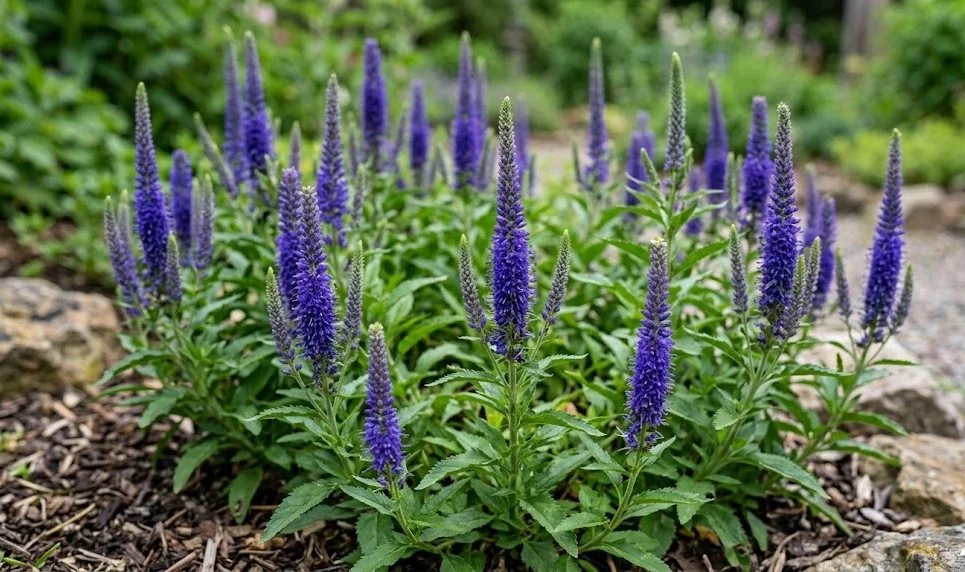

Proper hydration and nutrition are the twin pillars of maintaining a healthy and vibrant collection of spiked speedwell in any garden setting. While these plants are known for their hardiness, they still require a consistent approach to watering and feeding to produce the best possible flower displays. You must learn to balance the plant’s needs with the local environmental conditions to avoid the common pitfalls of over or under-care. A professional maintenance routine focuses on providing exactly what the plant needs at each stage of its annual growth cycle.
Watering should be done with intention, focusing on the root zone rather than wetting the foliage, which can encourage fungal diseases to take hold. You should aim to keep the soil consistently moist during the peak growing season, especially when the flower spikes are actively developing in early summer. During periods of natural rainfall, you can reduce your manual watering, but you must remain vigilant during dry spells or heatwaves. Consistent moisture is the key to preventing the plant from entering a premature state of dormancy due to drought stress.
Fertilization provides the essential building blocks that the spiked speedwell needs to build strong stems and numerous vibrant purple or blue flowers. You should choose a fertilizer that is balanced or slightly higher in phosphorus to promote the development of blossoms rather than just excessive green leaves. Applying nutrients at the right time in the spring ensures that the plant has the energy it needs as it begins its rapid growth phase. A well-fed plant is more resilient to pests and diseases and will generally live longer in your garden landscape.
Observation is your most valuable tool when it comes to managing the watering and fertilization needs of your perennials throughout the year. You should look for physical signs of stress, such as yellowing leaves or a lack of flowering, which often indicate a problem with the current care routine. Adjusting your habits based on these observations will lead to a more successful and professional outcome for your garden. With the right approach to water and food, your spiked speedwell will remain a highlight of your outdoor space for many years.
Developing a hydration routine
Establishing a regular watering schedule is the first step toward ensuring that your spiked speedwell remains healthy and productive during the summer. You should try to water your plants in the early morning hours to allow any moisture on the leaves to dry quickly as the sun rises. This timing reduces the risk of fungal infections and ensures that the plant has a full reservoir of water before the heat of the day. A consistent morning routine is much more effective than sporadic or late-evening watering for the health of the plant.
More articles on this topic
The amount of water required will vary depending on the soil type and the current weather conditions in your specific geographic area. You should check the moisture level of the soil by inserting your finger an inch or two into the ground near the base of the plant. If the soil feels dry at that depth, it is time to give the plant a deep and thorough soaking to reach the lower roots. Deep watering encourages the roots to grow further down into the soil, which makes the plant more drought-tolerant over the long term.
During the first year after planting, the hydration needs of the spiked speedwell will be higher as it works to establish its permanent root system. You may need to water more frequently during this period to ensure the young roots do not dry out in the new soil environment. Once the plant is established, it can often go longer between waterings, but you should still monitor it closely during the hottest months of July and August. Providing extra support during the initial year is a professional practice that pays off in future seasons with healthier plants.
Using a soaker hose or a drip irrigation system can be an excellent way to deliver water directly to the roots while keeping the leaves dry. These systems are highly efficient and reduce water waste by minimizing evaporation and runoff from the surface of the garden beds. You can also automate these systems to ensure your plants are cared for even when you are busy or away from home for a few days. A professional irrigation setup is a great investment for any serious gardener who wants to maintain a large collection of perennials.
Seasonal variations in water needs
As the year progresses from spring to autumn, the water requirements of spiked speedwell will change significantly in response to the environment. In the early spring, the natural rainfall is often sufficient to support the initial emergence of new shoots from the dormant crown of the plant. You should only supplement with manual watering if the spring is unusually dry or if you live in an arid climate with limited rain. Overwatering in the spring can lead to cold, soggy soil which might delay the growth or cause the roots to rot.
More articles on this topic
The onset of summer brings higher temperatures and longer days, which naturally increases the rate of evaporation from both the soil and the leaves. You will find that the plant needs much more frequent watering during the blooming period to support the energy required for flower production. It is important to increase the volume of water you provide to match the rising temperatures and ensure the plant does not become stressed. A well-hydrated plant will have more vibrant flower colors and will stay in bloom for a much longer period of time.
As autumn approaches and the blooming season ends, you can begin to slowly reduce the frequency and amount of water you give to the plants. The lower temperatures and shorter days mean the plant’s metabolic rate is slowing down as it prepares for the winter dormancy period. Reducing water at this time helps the plant to “harden off” and become more resilient to the upcoming frosts of late autumn. However, you should still ensure the ground is not bone-dry before the first hard freeze of the winter season arrives.
During the winter months, the spiked speedwell is dormant and requires very little to no supplemental water in most temperate garden climates. The natural snow and winter rain are usually more than enough to keep the dormant roots alive until the arrival of the next spring. In very dry or windy winter regions, a light watering during a thaw can help prevent the roots from completely dehydrating in the frozen ground. Understanding these seasonal shifts is a key part of professional garden management and ensures the long-term health of your plants.
Nutrient requirements and fertilization
Spiked speedwell benefits from a moderate fertilization program that provides the necessary minerals for growth without overwhelming the plant’s natural balance. You should start by applying a balanced, slow-release fertilizer in the early spring just as the first green leaves appear from the ground. This initial feeding provides a steady supply of nutrients that will last through the most active growth period of the spring and summer. Slow-release formulas are often preferred by professionals because they reduce the risk of nutrient leaching and provide a more consistent food source.
If you prefer a more natural approach, you can top-dress the soil around your plants with a layer of high-quality compost or well-rotted organic manure. This not only provides essential nutrients but also improves the structure and microbial activity of the soil, which benefits the plant in the long term. Organic amendments release their nutrients more slowly and help build a healthier overall garden ecosystem for all your perennial plants. Many experienced gardeners find that a combination of organic matter and mineral fertilizer produces the best results for their speedwell.
During the peak of the blooming season, you might consider a light application of a water-soluble fertilizer that is high in phosphorus to boost flower production. This can help extend the life of the blossoms and encourage the plant to produce a second flush of flowers after the initial spikes have faded. Be careful not to use high-nitrogen fertilizers at this time, as they can cause the plant to produce too much soft, green foliage. Professional fertilization is all about timing and choosing the right balance of nutrients to support the plant’s current developmental goals.
It is important to stop all fertilization by late summer or early autumn to allow the plant to prepare for its natural winter dormancy period. Late-season feeding can stimulate new growth that will not have enough time to mature before the first frost, leading to damage or disease. You want the plant to focus its remaining energy on building root reserves rather than growing new stems and leaves at the end of the year. Following a strict fertilization schedule ensures that your spiked speedwell remains healthy, strong, and ready for the challenges of every new season.
Identifying symptoms of stress
Learning to recognize the early signs of water or nutrient stress is an essential skill for anyone who wants to maintain a professional garden landscape. If the leaves of your spiked speedwell begin to turn yellow at the edges, it may be a sign of overwatering or poor drainage. On the other hand, wilting stems and crispy, brown leaf tips usually indicate that the plant is not receiving enough water to survive the heat. Catching these symptoms early allows you to make adjustments to your care routine before any permanent damage occurs to the plant.
Nutrient deficiencies often manifest as unusual leaf colors or a significant decrease in the number and quality of the flower spikes produced. For example, a lack of nitrogen can cause the entire plant to look pale or stunted, while a phosphorus deficiency might lead to very poor blooming performance. You should also watch for signs of “fertilizer burn,” which appears as browned leaf edges after a heavy application of mineral salts. Regular inspection of the foliage is the best way to ensure your fertilization program is meeting the plant’s specific needs.
Environmental stress can also be caused by sudden changes in temperature or unexpected weather events like late spring frosts or early autumn freezes. You might see the leaves become spotted or distorted if the plant has been exposed to extreme conditions that it was not prepared for in its current stage. Providing temporary protection or extra water can often help the plant recover from these short-term stressors without lasting ill effects. Being proactive in your observations helps you stay ahead of potential problems and maintain a healthy and beautiful garden.
If you notice that your spiked speedwell is consistently struggling despite your best efforts, it may be time to reassess the soil quality or the planting location. Sometimes a plant is simply in the wrong spot, receiving too much sun or not enough drainage for its specific requirements as a species. Moving the plant to a more suitable location can often solve chronic stress issues and allow the perennial to thrive as it was meant to. Professional gardening involves a willingness to experiment and make changes based on the feedback the plants are giving you every day.
Long term soil health strategies
Maintaining the health of the soil over many years is the most effective way to ensure the ongoing success of your spiked speedwell and other perennials. You should focus on building a rich, living soil environment by regularly adding organic matter and avoiding the over-use of harsh chemical treatments. Healthy soil contains a diverse community of microbes and fungi that work in harmony with the plant’s roots to provide nutrients and water. This natural partnership is the secret to a resilient and low-maintenance garden that looks professional with minimal effort on your part.
Rotating the types of organic matter you use, such as alternating between compost, leaf mold, and aged manure, can provide a wider range of trace minerals to the soil. Each type of organic amendment has a unique profile that contributes to the overall complexity and fertility of the ground in your garden beds. You can also use cover crops or green manures in empty spaces during the off-season to protect the soil from erosion and add nitrogen. Long-term soil management is an investment that pays off with more vibrant plants and fewer issues with pests or diseases.
Avoiding soil compaction is another critical strategy for maintaining a healthy environment for the roots of your spiked speedwell. You should design your garden with permanent paths or stepping stones to prevent the weight of your body from crushing the delicate soil structure near the plants. Compacted soil has less air and holds water poorly, which makes it very difficult for roots to grow and breathe as they should. Protecting the integrity of the soil structure is a mark of a truly professional gardener who understands the hidden needs of their plants.
Finally, periodic soil testing every few years can provide you with an accurate picture of the nutrient levels and pH balance in your garden. These professional tests take the guesswork out of fertilization and allow you to target your efforts exactly where they are needed most. You can find soil testing kits at most garden centers or send samples to a professional laboratory for a more detailed and comprehensive analysis. Using data to drive your gardening decisions ensures that your spiked speedwell receives the best possible care for its long-term health and beauty.