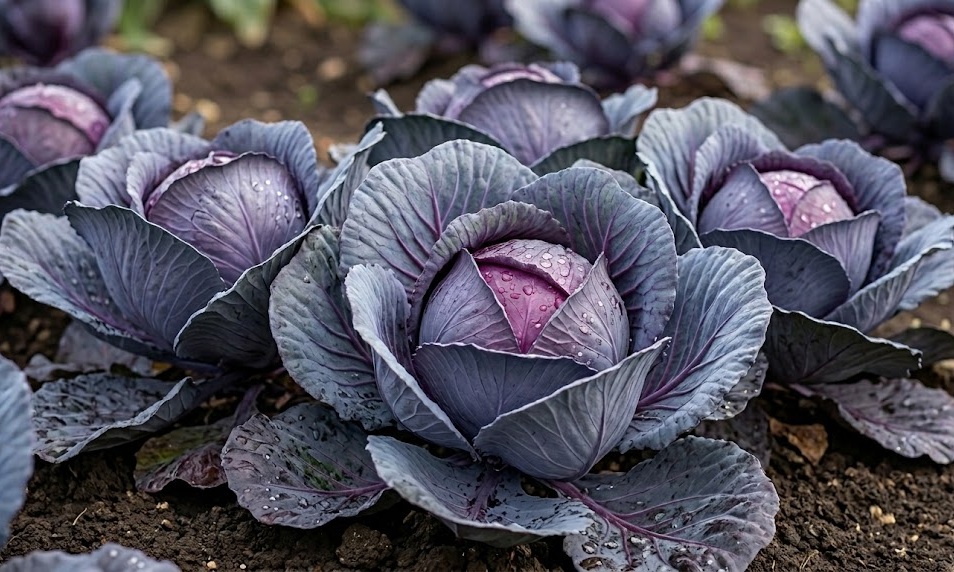

Precision in hydration and nutrition is the secret behind the heavy, dense heads of professional-grade red cabbage. Because these plants are composed mostly of water and require significant energy to build their complex leaf structures, any deficit in these areas will immediately show in the quality of the crop. A strategic approach involves understanding the different needs of the plant at various stages of its lifecycle, from the initial root expansion to the final tightening of the head. This article provides a comprehensive look at how to manage the water and nutrient balance for optimal results.
Consistency is the most important rule when it comes to watering red cabbage throughout the growing season. You must aim to keep the soil moisture levels stable, as alternating between periods of drought and saturation can cause the heads to split. A split head is not only less marketable but also becomes a target for pests and secondary rot infections. By checking the soil depth daily, you can ensure that the water reaches at least fifteen centimeters deep, where the majority of the roots reside.
During the hot summer months, red cabbage can transpire a significant amount of moisture through its large, broad leaves. You will notice that the plants may wilt slightly in the afternoon sun, which is a natural defense mechanism, but they should recover quickly by evening. If the plants remain wilted in the morning, it is a clear sign that the deep soil moisture has been depleted. Providing a deep soak in the early morning allows the plant to fully hydrate before the heat of the day arrives.
Avoid overhead watering whenever possible to keep the foliage dry and reduce the risk of fungal diseases. Water sitting in the center of the developing head can create a stagnant environment that encourages pathogens to take hold. Instead, focus your irrigation efforts at the base of the plant, directly on the soil where the roots can access it. This targeted approach is more efficient and keeps the overall garden environment healthier.
Monitoring the weather forecast allows you to adjust your watering schedule based on predicted rainfall and humidity levels. You should be prepared to provide extra water during windy periods, as wind can dry out both the soil and the leaves very rapidly. Conversely, if heavy rain is expected, you might want to delay your regular irrigation to avoid over-saturating the root zone. A professional gardener is always in tune with the environment and adapts their actions accordingly.
More articles on this topic
Drip irrigation advantages
Installing a drip irrigation system is one of the best investments you can make for a high-quality red cabbage harvest. This method delivers water slowly and directly to the root zone, minimizing waste and preventing the soil surface from becoming compacted. You will find that drip systems maintain a much more consistent moisture profile than manual watering or sprinklers can ever achieve. This stability is exactly what a slow-growing brassica needs to produce a uniform and healthy head.
Drip irrigation also allows you to keep the walkways between your rows dry, which makes maintenance tasks much cleaner and easier. Since the water is targeted, you will also notice a significant reduction in weed growth in the areas where the cabbage isn’t growing. This saved labor and time can be redirected toward other specialized tasks in the garden. Furthermore, drip systems can be easily automated with a simple timer, ensuring your plants never miss a drink even if you are away.
You can also use your drip system for fertigation, which is the process of delivering liquid fertilizers through the irrigation lines. This method ensures that the nutrients are delivered in a dissolved form that is immediately available to the plant’s roots. It allows for very precise control over the timing and concentration of the nutrition you provide. Professional growers often use this technique to “spoon-feed” their crops the exact minerals they need at specific growth stages.
Regularly checking your drip lines for clogs or leaks is a necessary part of system maintenance. You should flush the lines periodically to remove any mineral buildup or organic matter that might restrict the flow. Ensuring that each plant receives an equal amount of water is crucial for achieving a uniform crop size across the entire field. A well-maintained irrigation system is a quiet but powerful partner in your agricultural success.
More articles on this topic
Nitrogen requirements during early growth
In the first few weeks after transplanting, red cabbage has a high demand for nitrogen to fuel its rapid leaf and stem development. You should provide a nitrogen-rich fertilizer shortly after the plants have recovered from transplant shock to kickstart their growth. Nitrogen is the primary driver of the large, healthy leaves that will eventually act as the solar panels for the plant. Without adequate nitrogen early on, the cabbage will remain small and may never produce a substantial head.
You can use organic sources like blood meal, fish emulsion, or well-composted poultry manure to supply this essential nutrient. These materials release nitrogen slowly as they are broken down by soil microbes, providing a steady supply over several weeks. If you choose synthetic fertilizers, look for a balanced formula with a slightly higher first number in the N-P-K ratio. Be careful not to over-apply, as excessive nitrogen can lead to soft, watery growth that is attractive to pests.
Observing the color of the leaves is the best way to gauge whether your plants are getting enough nitrogen. Pale green or yellowish lower leaves are often a classic sign of deficiency, as the plant moves mobile nitrogen to the new growth. If you see these signs, a quick application of a liquid nitrogen source can often correct the problem within a few days. However, preventative management through soil preparation is always more effective than reactive fertilization.
As the plant approaches the heading stage, you should gradually reduce the amount of nitrogen you provide. Continuing heavy nitrogen applications too late into the season can delay head formation or result in heads that are not as dense as they should be. The goal is to build a strong frame early on and then shift the plant’s focus toward storage and head development. This transition in nutrition is a key skill in professional brassica management.
Phosphorus and potassium for head development
As the red cabbage begins to form its central head, the plant’s nutritional needs shift toward phosphorus and potassium. Phosphorus is essential for energy transfer within the plant and supports the complex cellular structures of the developing head. Potassium, on the other hand, regulates water movement and improves the overall structural integrity and disease resistance of the cabbage. Together, these nutrients ensure that the head is firm, heavy, and has a good shelf life after harvest.
You can incorporate bone meal or rock phosphate into the soil before planting to provide a long-term source of phosphorus. For potassium, wood ash or sulfate of potash are excellent amendments that can be applied as a top-dressing during the mid-season. These minerals are less mobile in the soil than nitrogen, so placing them near the root zone is important for effective uptake. Ensuring these nutrients are available in the right proportions is what gives red cabbage its characteristic density.
A lack of potassium can often result in the edges of the leaves turning brown or appearing scorched, a condition known as tipburn. This can also be linked to calcium mobility issues, which potassium balance helps to regulate. To prevent these internal quality problems, you should maintain a balanced soil mineral profile through regular testing and targeted amendments. Professional growers often use foliar sprays containing micronutrients to supplement the primary fertilizers during critical growth windows.
Healthy head development also depends on the availability of trace elements like boron and molybdenum. While these are required in very small amounts, their absence can cause hollow stems or distorted leaf growth. Using a high-quality compost or a seaweed-based fertilizer usually provides enough of these micro-minerals for a standard crop. Paying attention to these subtle nutritional details is what separates a good harvest from an exceptional one.
Organic versus synthetic fertilizers
Deciding between organic and synthetic fertilization strategies often depends on your specific goals and the condition of your soil. Organic fertilizers improve the overall soil structure and foster a healthy community of beneficial microbes and fungi. They provide a slow-release form of nutrition that mimics natural cycles and reduces the risk of nutrient leaching into the groundwater. For many growers, the long-term benefits of soil health outweigh the slower initial response of organic materials.
Synthetic fertilizers, however, offer precise control over the exact amount of each nutrient the plant receives. They are often more concentrated and act much faster, which can be useful for correcting a visible deficiency quickly. However, over-reliance on synthetics can lead to a decline in soil organic matter and may disrupt the natural biological balance of the garden. If you use synthetics, it is important to follow the application rates strictly to avoid chemical burns to the delicate roots.
Many professional gardeners find success using an integrated approach that combines the strengths of both methods. You might use organic compost and manure as a base for soil structure and then supplement with targeted synthetic or liquid organic feeds during peak growth. This strategy provides the stability of an organic system with the flexibility to respond to the plant’s immediate needs. Regardless of the source, the most important factor is providing a balanced and consistent supply of nutrients.
Always remember that fertilization is only effective when the soil has the correct moisture and pH levels to allow for nutrient uptake. You should test your soil every couple of years to track the nutrient levels and make informed decisions about your amendments. Understanding the chemistry of your garden allows you to grow red cabbage that is not only large but also packed with vitamins and minerals. Your choice of fertilizer is a direct investment in the nutritional quality of the food you produce.