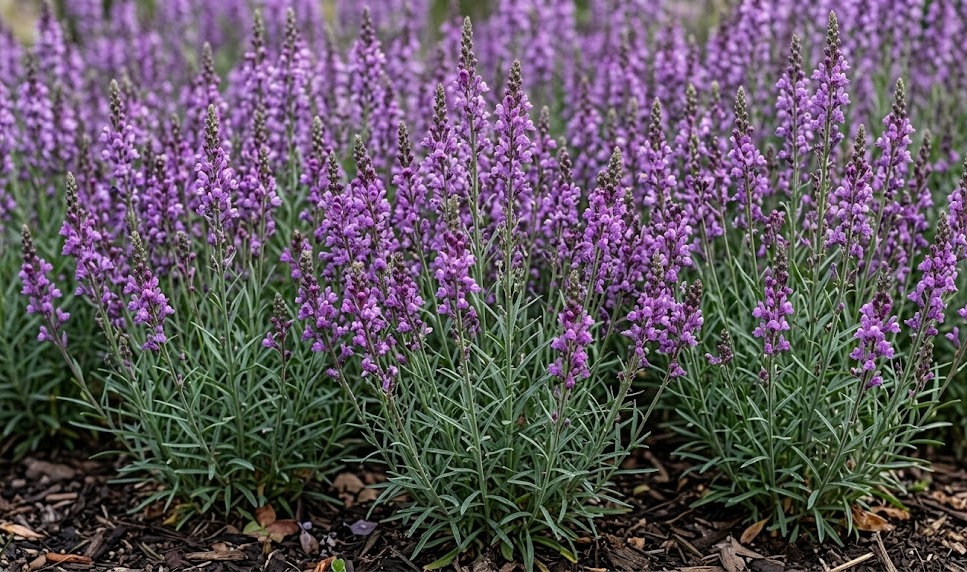

Achieving the perfect balance of moisture and nutrients is a fundamental aspect of professional care for purple toadflax. This perennial species is remarkably resilient and can often survive in conditions that would challenge more delicate garden plants. However, to truly excel and produce a spectacular display of vertical purple spikes, a more nuanced approach is required. Expert water and nutrient management focuses on supporting the plant’s natural vigor while preventing the issues associated with over-care. Understanding the specific needs of the root system is the key to maintaining long-term health and vitality.
The primary goal of watering is to provide enough hydration to support active growth without creating an environment where roots can rot. During the early stages of the growing season, consistent moisture helps the plant build the structural strength it needs for its tall stems. As the weather warms up, the frequency of watering may need to change depending on the soil type and local climate. Professional monitoring involves checking the soil moisture several inches below the surface rather than just looking at the top.
Fertilization should be seen as a supplement to healthy soil rather than a primary driver of growth. Purple toadflax is adapted to relatively lean soils and can actually suffer if the nutrient levels are too high. Excessive nitrogen often results in lush green leaves but very few of the iconic purple flowers that gardeners desire. A professional fertilization strategy aims for a balanced availability of all essential elements throughout the entire growing cycle.
The interaction between water and fertilizer is also a critical consideration for any serious horticulturalist. Nutrients must be dissolved in water to be taken up by the plant’s roots, meaning that irrigation and feeding are inextricably linked. Dry soil can sometimes lead to a buildup of salts from fertilizers, which can damage the delicate root hairs. Managing this delicate relationship requires a thoughtful and disciplined approach to garden maintenance.
Understanding hydration needs and techniques
The water requirements of purple toadflax change as the plant moves through the various stages of its annual lifecycle. In the spring, as new shoots emerge, the plant benefits from a steady supply of water to fuel its rapid expansion. This initial hydration is essential for establishing the height and density of the flowering spikes that will appear later. Professionals often use a “deep watering” technique that encourages roots to grow further down into the soil.
More articles on this topic
During the peak of summer, the plant’s deep root system allows it to withstand short periods of drought with relative ease. However, for the best floral display, it is important to avoid letting the soil dry out completely for extended periods. When watering is necessary, it is best done in the early morning to minimize evaporation and ensure the foliage dries quickly. Avoiding late evening watering is a professional tip that helps prevent the development of fungal diseases.
The method of delivery is just as important as the amount of water provided to the garden beds. Soaker hoses or drip irrigation systems are highly effective because they deliver water directly to the root zone without wetting the leaves. This targeted approach is more efficient and reduces the waste of a precious resource like water. If using a hand-held hose, directing the flow at the base of the plant is the most professional and effective method.
Soil type significantly influences how water behaves and how often the plants will need to be irrigated. Sandy soils drain quickly and may require more frequent, shorter watering sessions to keep the plants happy. In contrast, clay soils hold onto moisture for a long time and require careful monitoring to avoid saturation. Understanding the unique drainage profile of a garden is a vital skill for any expert agriculturalist or landscape manager.
Nutrient management and soil fertility
The nutritional philosophy for purple toadflax should be one of moderation and consistency. These plants are not “heavy feeders” and can often find all the nutrients they need in a well-maintained garden soil. If the soil is naturally poor, a light application of a balanced, slow-release fertilizer in early spring can be beneficial. This provides a steady stream of nutrients that lasts for several months without overwhelming the plant’s system.
More articles on this topic
Organic amendments are generally preferred over synthetic products by many professional gardeners and ecological experts. Composted manure or leaf mold not only provides nutrients but also improves the overall structure and biological health of the soil. These materials release their contents slowly as they are broken down by soil organisms, mimicking a natural ecosystem. This holistic approach supports the long-term sustainability of the garden and the health of the local environment.
Testing the soil is the only way to truly know what nutrients are available and what might be lacking. A professional soil test will reveal the levels of nitrogen, phosphorus, and potassium, as well as important micronutrients and pH. If the soil is too alkaline or too acidic, it can prevent the plant from absorbing the nutrients that are already present. Adjusting the pH is often more effective than adding more fertilizer when growth issues are observed.
Over-fertilization is a common mistake that can lead to a variety of structural and health problems for the plant. Stems that grow too quickly are often weak and prone to snapping in the wind or under the weight of rain. Furthermore, high nitrogen levels can attract sap-sucking insects like aphids, which thrive on lush, soft growth. A professional knows that a slightly “hungry” plant is often tougher and more resilient than one that is overfed.
Seasonal adjustments in care routines
As the seasons transition, the watering and feeding schedule must be adapted to meet the changing environmental conditions. In the autumn, as the plant begins to slow its growth and prepare for dormancy, watering should be gradually reduced. This allows the tissues to harden off and reduces the risk of root rot during the damp winter months. Professional seasonal care is about anticipating these shifts and adjusting the maintenance routine accordingly.
During the dormant winter period, the plants generally do not require any supplemental watering or fertilization at all. In fact, adding fertilizer during this time would be a waste of resources, as the roots are not actively taking up nutrients. The focus during winter is on protecting the soil and ensuring that the drainage remains functional throughout the wet season. This period of rest is essential for the plant to gather its strength for the following year’s growth.
The return of spring brings a renewed need for attention as the soil begins to warm up and life stirs in the garden. This is the ideal time for the annual application of organic mulch or a light dressing of balanced fertilizer. As the growth rate increases, the watering frequency should also be stepped up to match the plant’s demands. This proactive spring start ensures that the purple toadflax has everything it needs for a successful season.
Mid-summer often presents the greatest challenge, with high temperatures and potential water restrictions in some areas. Professionals use mulching techniques to keep the roots cool and retain as much moisture as possible in the soil. If a plant shows signs of extreme stress, such as wilting that does not recover overnight, emergency watering may be necessary. Managing these peaks of environmental stress is a core part of expert horticultural maintenance.
Signs of water and nutrient imbalance
Being able to “read” the plant is a critical skill for any professional gardener looking to maintain a high standard of care. Signs of underwatering include wilting, brittle leaves, and a noticeable slowdown in the growth of the flowering spikes. If the soil becomes so dry that it pulls away from the edges of the pot or the plant base, immediate action is required. Recovering a severely dehydrated plant takes time and can often impact the quality of the blooms for the rest of the season.
Overwatering, on the other hand, often presents as yellowing leaves and a general lack of vigor that can be mistaken for a nutrient deficiency. In severe cases, the base of the stems may become soft or discolored, indicating that root rot has begun to set in. If overwatering is suspected, the first step is to stop all irrigation and check the drainage of the site. Improving the physical structure of the soil is often the only long-term solution for chronically wet areas.
Nutrient deficiencies can manifest in various ways depending on which element is missing from the plant’s diet. A lack of nitrogen often leads to pale green or yellowish foliage across the entire plant, starting with the older leaves. Potassium deficiency might show up as browning or “scorching” along the edges of the leaves, particularly during periods of rapid growth. Identifying these specific visual cues allows for targeted and effective corrections to the feeding regime.
Excessive nutrients can also cause visible problems, such as “fertilizer burn” on the roots or leaves if the product was applied too heavily. This often appears as sudden browning of the leaf tips or a white crust on the surface of the soil. If this occurs, flushing the soil with plenty of fresh water can help to dilute the excess salts and protect the plant. Professional care is about avoiding these extremes and maintaining a steady, healthy equilibrium in the garden.
Long-term strategies for sustainable growth
The most successful and professional gardens are those that work with nature rather than against it. By selecting a site that naturally meets the needs of purple toadflax, the gardener reduces the need for constant intervention. A plant in the right place will require less water and less fertilizer to look its absolute best. This principle of “right plant, right place” is at the heart of sustainable and expert landscaping.
Building healthy soil over many years is a much more effective strategy than relying on quick-fix chemical inputs. Regular additions of organic matter create a resilient soil structure that can hold water during droughts and drain quickly during heavy rains. This biological approach also fosters a diverse community of soil organisms that support the plant in ways that humans are still learning about. A professional view of the garden includes everything from the microscopic life in the soil to the tall purple spikes above.
Educating others about the needs of these plants is part of the role of a horticultural expert or magazine contributor. Sharing information about proper watering and fertilization techniques helps to ensure the success of other gardeners. The more people understand the balance required for these plants, the more vibrant and healthy our communal garden spaces will become. Professionalism in gardening includes a commitment to sharing knowledge and fostering a love for the natural world.
Ultimately, the watering and fertilization of purple toadflax is a quiet but essential part of the gardener’s craft. It is the steady, invisible work that makes the visible beauty of the flowers possible year after year. Watching the plants respond to careful attention is one of the most rewarding aspects of professional horticulture. With the right techniques and a bit of patience, anyone can create a professional-level display of these elegant perennials.