
Proper hydration and nutrient management are the cornerstones of maintaining a flourishing pineapple sage plant throughout its intensive growing cycle. This species is known for its rapid biomass production, which creates a high demand for both water and specific mineral elements. Because it possesses large, soft leaves, it can lose moisture very quickly during the heat of a summer afternoon. Establishing a consistent routine that addresses these needs will prevent the plant from becoming stressed and vulnerable to environmental challenges. A well-nourished plant not only grows faster but also produces more of the aromatic oils that make it so desirable.
Understanding the relationship between water and growth is essential for anyone looking to master the care of this sub-shrub. Water acts as a transport medium, moving essential nutrients from the soil up into the leaves where they are needed for photosynthesis. If the plant is allowed to dry out completely, this internal transport system breaks down, leading to wilted stems and yellowing leaves. Conversely, too much water can suffocate the roots, preventing them from absorbing the very nutrients you are trying to provide.
Fertilization is equally important, especially if you are growing your sage in a container or in soil that is naturally poor in nutrients. Pineapple sage is considered a “heavy feeder” because of how much energy it puts into creating its tall stems and late-season flowers. Without a steady supply of nitrogen, phosphorus, and potassium, the plant may appear stunted or fail to bloom altogether. You must learn to read the signals the plant sends to know when it is time to supplement its diet.
In this guide, we will explore the professional techniques for balancing these two critical aspects of garden care. We will look at how to identify the signs of thirst, how to choose the right fertilizers, and how to adjust your approach based on the changing seasons. By the end, you will have a clear plan for keeping your pineapple sage in peak condition from spring through the first frost. Consistency and observation are your best tools for achieving horticultural success with this vibrant herb.
Establishing a watering schedule
The key to watering pineapple sage effectively is to aim for deep, infrequent sessions rather than shallow, daily sprinkles. Deep watering encourages the roots to grow further down into the soil, where it is cooler and moisture is more stable. You should apply enough water to soak the root zone thoroughly, then allow the top inch or two of soil to dry out before watering again. This cycle of wetting and drying is much healthier for the plant’s overall structural development.
More articles on this topic
Morning is the absolute best time of day to water your garden, as it allows the foliage to dry off before evening. Wet leaves during the night can create a playground for fungal spores and other pathogens that thrive in damp, cool conditions. If you must water in the evening, try to apply the water directly to the base of the plant to keep the leaves as dry as possible. This simple adjustment in timing can significantly reduce the risk of powdery mildew and other common issues.
During periods of extreme heat or drought, you may find that your regular schedule needs to be adjusted. You should check your plants daily when temperatures soar, as the large surface area of the leaves leads to rapid evaporation. If the plant looks wilted in the morning, it is a clear sign that it needs immediate hydration to survive the day. However, afternoon wilting is sometimes just a temporary defense mechanism, so always check the soil moisture before assuming the plant is truly dry.
If you are growing your pineapple sage in pots, remember that containers dry out much faster than the open ground. Potted plants may require watering every single day during a heatwave, especially if they are in porous materials like terra cotta. Using a saucer to catch excess water can provide a small reservoir, but be careful not to let the plant sit in standing water for too long. Developing a “finger test” habit is the most reliable way to manage the unique needs of container-grown sage.
Signs of water stress and recovery
Learning to recognize the early warning signs of water stress can save your pineapple sage from permanent damage. The first symptom is usually a loss of turgor pressure, which causes the stems to droop and the leaves to hang limply. You may also notice that the vibrant green color of the foliage begins to look a bit dull or grayish as the plant tries to conserve energy. If these signs are ignored, the lower leaves will eventually turn yellow and drop off as the plant prioritizes its survival.
More articles on this topic
Extreme overwatering presents a different set of symptoms that can sometimes be confused with drought. If the soil is constantly saturated, the roots begin to die from a lack of oxygen, which prevents them from taking up any water at all. This results in a plant that looks wilted even though the ground is soaking wet—a condition often called “physiological drought.” You might also see signs of edema, where small bumps or blisters appear on the undersides of the leaves due to excess internal pressure.
Recovering a dehydrated plant requires a gentle and patient approach to rehydration. Do not simply flood the area with a massive amount of water all at once, as this can shock the plant’s systems. Instead, apply water slowly so that it can soak in deeply and reach the entire root system over a period of time. If the soil has become so dry that it is repelling water, you may need to use a gentle spray to break the surface tension before doing a deeper soak.
For plants suffering from overwatering, the best course of action is to stop watering immediately and allow the soil to dry out completely. You can also try to improve drainage by gently poking holes in the soil with a garden fork to let air reach the roots. In severe cases, you may need to dig the plant up and trim away any mushy, blackened roots before replanting it in fresh, well-draining soil. Prevention is always easier than cure when it comes to managing the delicate balance of moisture.
Nutrient requirements for growth
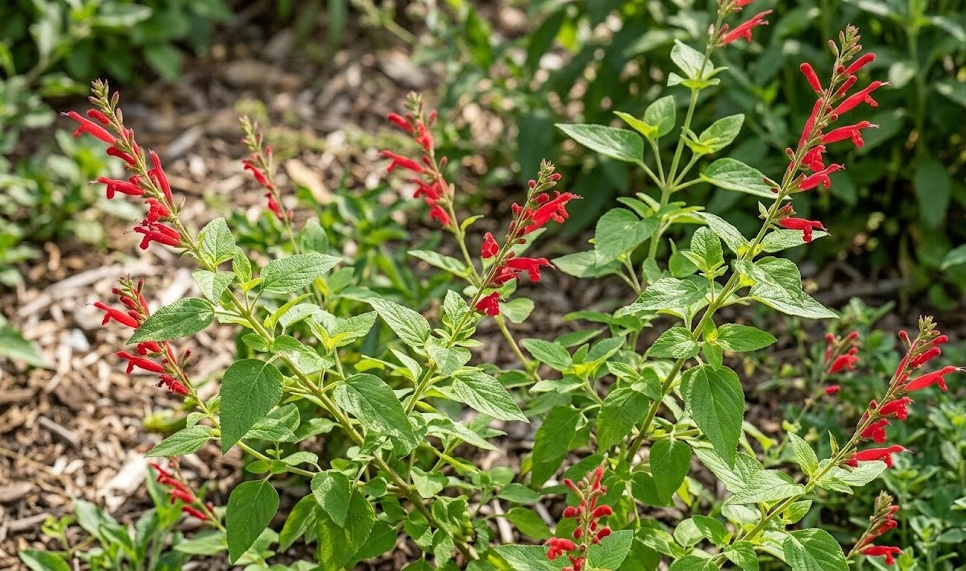
Pineapple sage requires a balanced diet of macronutrients to fuel its impressive growth rate and floral production. Nitrogen is essential for building strong stems and lush, green leaves during the early part of the season. Phosphorus plays a vital role in root development and is the primary driver behind the brilliant red flowers that appear in the autumn. Potassium helps with the overall cellular health of the plant, improving its resistance to disease and cold temperatures.
In addition to these main three, the plant also needs various micronutrients like magnesium, iron, and calcium to function at its best. A deficiency in these minerals often shows up as discoloration between the leaf veins or distorted new growth. Using a high-quality organic compost is one of the best ways to provide a full spectrum of these trace elements. Compost also improves the soil’s ability to hold onto nutrients, preventing them from being washed away by rain or irrigation.
You should begin your fertilization program in the spring as soon as you see the first signs of new growth. A slow-release granular fertilizer is often the most convenient choice for garden-grown plants, providing a steady supply of food over several months. For container plants, a water-soluble fertilizer applied every two to three weeks is usually more effective. Always follow the manufacturer’s instructions regarding dosage, as over-fertilizing can be just as harmful as under-feeding.
As the season progresses toward autumn, you should consider switching to a fertilizer that is lower in nitrogen and higher in phosphorus. This change in balance signals to the plant that it should stop focusing on leafy growth and start putting its energy into flower production. Excessive nitrogen late in the season can result in a lot of green foliage but very few of the iconic red blooms. Timing your nutrient applications with the plant’s natural lifecycle is the secret to professional results.
Organic vs synthetic fertilizers
Choosing between organic and synthetic fertilizers is a decision that affects not only your plants but also the long-term health of your soil. Organic options, such as fish emulsion, seaweed extract, or compost tea, work by feeding the beneficial microbes in the soil. These microbes then break down the material into a form that the plant can absorb over a longer period. This process builds a sustainable ecosystem that improves soil structure and water retention over time.
Synthetic fertilizers, on the other hand, provide nutrients in a highly concentrated and immediately available form. They can be very useful for giving a quick boost to a struggling plant or for precisely managing the nutrient levels in a potting mix. However, they do nothing to improve the soil’s health and can sometimes lead to a buildup of salts if used excessively. Many professional gardeners prefer a “best of both worlds” approach, using organics for the foundation and synthetics for specific needs.
One of the main advantages of organic fertilizers is that they are much less likely to “burn” the plant’s roots if you accidentally apply too much. Because the nutrients are released slowly through biological activity, the risk of a toxic surge is significantly reduced. They are also much safer for the beneficial insects and wildlife that visit your garden. Using natural products aligns with a more holistic and environmentally friendly approach to horticulture.
Synthetic options are often more cost-effective and easier to store for long periods without losing their potency. They also come in very specific formulations, such as “bloom boosters,” which can be helpful for maximizing the floral display of your pineapple sage. Whichever path you choose, the key is to be consistent and to observe how your individual plants respond to the treatment. There is no one-size-fits-all answer, so feel free to experiment and find what works best in your unique garden environment.
Managing irrigation in containers
Growing pineapple sage in containers presents a unique set of challenges that require a more hands-on approach to irrigation. Because the volume of soil is limited, the moisture levels can fluctuate wildly within a single day. You must be prepared to check your pots daily, especially during the peak of summer when the sun is most intense. Using a high-quality potting mix that includes moisture-retention crystals or perlite can help to buffer these fluctuations and provide a more stable environment.
The type of container you choose will also have a big impact on how often you need to water your sage. Plastic or glazed ceramic pots hold onto moisture much longer than unglazed terra cotta, which is porous and allows water to evaporate through the walls. If you live in a very hot climate, you might want to avoid dark-colored pots that can absorb heat and cook the roots. Choosing a larger pot than you think you need will also provide more soil volume and a better moisture reserve.
When watering container plants, always keep going until you see water running out of the drainage holes at the bottom. This ensures that the entire root ball has been saturated and helps to flush out any accumulated salts from fertilizers. If the soil has pulled away from the sides of the pot, the water might just run down the gap without actually soaking the roots. In this case, you may need to submerge the entire pot in a bucket of water for a few minutes to re-saturate the medium.
Automatic drip irrigation systems can be a lifesaver for busy gardeners with many container plants to manage. These systems can be set on a timer to deliver small amounts of water directly to the base of each plant at the optimal time of day. This technology ensures that your pineapple sage never experiences the stress of a missed watering session while you are away. Even with automation, you should still check the plants regularly to make sure the system is functioning correctly and the plants are happy.