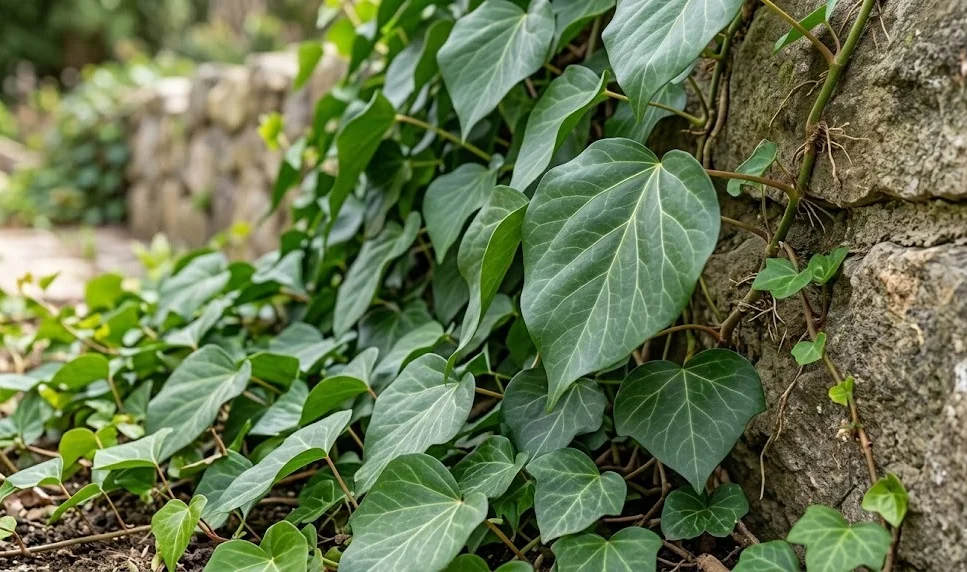

Properly managing the hydration and nutritional needs of this large-leaved climber is essential for maintaining its health and iconic deep green appearance. You will find that while it is a resilient species, it performs best when its basic requirements for water and minerals are met with consistency and care. You should develop a routine that takes into account the local weather conditions, the age of the plant, and the specific characteristics of your garden soil. Achieving the right balance will prevent the common problems of leaf drop or stunted growth that can occur when the plant is under stress.
During the initial establishment phase, you need to be particularly diligent about providing regular moisture to help the root system expand into the surrounding earth. You should aim to keep the soil consistently moist but never waterlogged, as this ivy does not appreciate sitting in stagnant water. Once the plant is fully established, it becomes much more drought-tolerant and can survive with minimal supplemental watering during normal weather. You can check the moisture levels by sticking your finger into the soil near the base of the plant to see if the top few centimeters are dry.
Fertilization should be approached as a supplemental activity rather than a primary concern, as the plant is a naturally efficient scavenger of nutrients. You should focus on providing a slow-release source of food in the early spring to coincide with the beginning of the annual growth cycle. This ensures that the plant has the necessary resources to produce a fresh flush of healthy, vibrant foliage as the temperatures rise. You will notice that a well-fed plant has a more substantial leaf texture and a more lustrous sheen on its evergreen surfaces.
It is important to remember that the watering and feeding needs of the plant will shift significantly as the seasons change throughout the year. You should reduce your interventions as the plant enters its dormant phase in the late autumn and winter to avoid stimulating untimely growth. By observing the plant’s response to your care, you can make small adjustments that keep it in peak condition without overcomplicating your gardening routine. Consistency is the most valuable tool you have when it comes to the long-term maintenance of this impressive garden inhabitant.
Understanding the water needs
The water requirements of this species are largely dictated by the size of its leaves and the environment in which it is growing. You should consider that the large surface area of the foliage means that a significant amount of water is lost through transpiration on hot or windy days. In shaded locations, the plant will generally require less frequent watering than if it were positioned in a spot with more direct sun exposure. You can tell if the plant is thirsty if the leaves lose their turgidity and begin to look slightly dull or limp.
More articles on this topic
When you do water, it is best to apply the liquid directly to the soil at the base of the plant rather than spraying the entire canopy. You should do this to keep the foliage as dry as possible, which reduces the risk of fungal diseases that thrive on wet leaves. Using a soaker hose or a drip irrigation system is an excellent way to provide a slow and steady supply of moisture to the root zone. This method also encourages the roots to grow deeper into the soil, making the plant more resilient during future dry spells.
The type of soil you have will also play a major role in how often you need to reach for the watering can or turn on the hose. You will find that sandy soils drain very quickly and may require more frequent attention, whereas clay soils hold onto moisture for much longer. If your soil is heavy clay, you must be careful not to overwater, as this can lead to root rot and other oxygen-deprivation issues. Learning the drainage characteristics of your specific garden plot will help you tailor your watering schedule to the plant’s actual needs.
You should also be aware of the impact that nearby large trees or structures can have on the availability of water for your ivy. If the plant is growing under a large tree canopy, it may be competing with the tree’s extensive root system for every drop of rain. In these situations, you might need to provide extra supplemental water to ensure the ivy doesn’t get outcompeted by its larger neighbors. Monitoring the health of the plant during periods of low rainfall will tell you if you need to step in and provide additional support.
Drought tolerance and recovery
One of the great advantages of an established ivy is its ability to withstand periods of low rainfall once its root system is fully developed. You should find that the plant can handle a typical summer dry spell without any significant long-term damage to its structure or health. The thick, leathery leaves are naturally designed to conserve moisture and protect the plant from excessive evaporation during the hottest parts of the day. You will see the plant bounce back quickly once the rains return or when you provide a thorough, deep watering.
More articles on this topic
If the plant does experience extreme drought stress, it may respond by shedding some of its older leaves to reduce its overall water demand. You should not panic if you see a few yellowing leaves near the base of the plant during a particularly long and hot dry period. This is a natural survival mechanism that allows the vine to prioritize the health of its growing tips and main stems. Once the moisture levels are restored, the plant will gradually produce new foliage to replace what was lost during the stress.
To help the plant recover from a period of drought, you should provide a very slow and deep watering over several hours to rehydrate the soil profile. You should avoid the temptation to apply fertilizer immediately to a drought-stressed plant, as this can cause further damage to the sensitive root hairs. Wait until the plant has fully recovered and is showing signs of new growth before you consider adding any supplemental nutrients. A layer of fresh mulch applied after watering will help to lock in that moisture and protect the roots from further heat stress.
You can improve the drought resilience of your ivy by focusing on soil health and the addition of organic matter over several seasons. You should find that soil rich in humus acts like a sponge, holding onto water and releasing it slowly to the plant as needed. This long-term approach to garden management reduces your reliance on supplemental watering and creates a more sustainable landscape. By building a healthy environment from the ground up, you ensure that your ivy remains a durable and beautiful part of your garden for years to come.
Essential nutrient requirements
To maintain the vigorous growth and deep green color that make this plant so attractive, you must ensure it has access to a balanced range of minerals. You should primarily focus on nitrogen, which is the most important element for supporting the development of healthy stems and large, lush leaves. Phosphorus and potassium are also necessary for strong root systems and overall plant resilience against pests and environmental fluctuations. You will find that a balanced, general-purpose garden fertilizer is usually sufficient to meet these basic nutritional needs.
Micronutrients like magnesium and iron also play a vital role in the photosynthetic process and the production of chlorophyll within the foliage. If the soil is deficient in these elements, you might notice the leaves developing a pale, mottled appearance between the veins. You can address these specific deficiencies by using a specialized fertilizer that includes a full spectrum of trace elements. It is often a good idea to have your soil tested every few years to identify any hidden imbalances that might be affecting your plant’s performance.
The timing of your fertilizer application is just as important as the type of product you choose to use in your garden. You should apply your main feeding in the early spring as the plant begins to wake up from its winter dormancy and start new growth. This provides the ivy with a reservoir of nutrients that it can draw upon during its most active period of the year. You might also consider a very light second application in the early summer if the plant is growing in particularly poor or sandy soil.
You should always follow the manufacturer’s instructions on the fertilizer packaging to avoid the risks associated with over-application of nutrients. Excess fertilizer can lead to a buildup of salts in the soil, which can actually prevent the roots from taking up the water they need. You should also be careful to keep the fertilizer granules away from the foliage to prevent any chemical burns on the sensitive leaf surfaces. After feeding, always water the area thoroughly to help the nutrients move down into the root zone where they are needed most.
Application methods and timing
Choosing the right way to deliver nutrients and water to your ivy can make your gardening tasks much more efficient and effective. You should consider using granular slow-release fertilizers for established plants because they provide a steady supply of food over several months. This method is particularly convenient for large climbers where accessing the entire root zone can sometimes be a bit of a challenge. You simply scatter the granules around the base of the plant and let the rain or your watering routine do the rest of the work.
For young plants or those that need a quick boost, liquid fertilizers applied to the soil can be a very effective way to provide immediate nourishment. You should dilute the liquid according to the directions and apply it directly to the root area during your regular watering schedule. This method allows the nutrients to be absorbed almost immediately, which can be helpful if you are trying to correct a visible deficiency. You will see a response in the plant’s color and vigor within a week or two of a liquid feeding during the growing season.
It is best to perform your watering and fertilization tasks in the early morning or late afternoon when the temperatures are cooler. You should avoid doing these activities during the hottest part of the day because the water will evaporate too quickly and the plant may be under heat stress. Early morning watering also allows the foliage to dry out during the day, which is a key factor in preventing the development of leaf diseases. Developing a consistent schedule will help you stay on top of the plant’s needs and ensure it never suffers from neglect.
You should also adjust your approach based on the specific location of the plant, such as whether it is growing on a wall or as a groundcover. Groundcover ivy is often easier to water and feed because you have direct access to the entire area where the roots are located. For wall-climbing specimens, you need to ensure that the water is actually reaching the soil at the base and not just running off the surface. You may need to create a small irrigation trench or use a dedicated watering tube to get the moisture exactly where it is most beneficial.
Seasonal feeding and hydration cycles
As the year progresses, you will notice that the plant’s appetite for water and nutrients fluctuates in response to the changing environment. You should provide the most consistent support during the spring and summer when the ivy is actively expanding and producing new wood. During periods of rapid growth, the plant’s internal systems are working at full capacity and require a steady supply of resources to maintain momentum. You will see the most impressive results if you can maintain a stable environment for the plant during these peak months.
In the autumn, you should begin to taper off your supplemental watering and completely stop any fertilization to encourage the plant to harden off. You want the plant to stop producing tender new growth that would be easily damaged by the first hard frosts of the season. Allowing the ivy to naturally slow down its metabolism helps it prepare for the challenges of the winter months ahead. You should still check the soil moisture levels during a very dry autumn, but the overall demand will be significantly lower than in the summer.
During the winter months, the plant is largely dormant and requires very little intervention from you in terms of feeding or watering. You should only consider watering if the ground is not frozen and there has been an extended period without any rain or snow. Evergreens can sometimes suffer from winter desiccation if the ground is frozen and they lose moisture through their leaves on a sunny day. A well-mulched base will help prevent the soil from freezing as deeply, providing a small reservoir of moisture that the plant can access if needed.
Finally, keep a garden log or a simple calendar to track when you have watered and fed your ivy throughout the year. You should find that this helps you identify patterns and anticipate the plant’s needs before any problems actually arise. Over time, you will develop an intuitive sense of when the plant requires your attention and when it is happy to be left alone. This rhythmic approach to gardening makes the maintenance of even a large climber like Persian ivy a relaxing and rewarding part of your life.