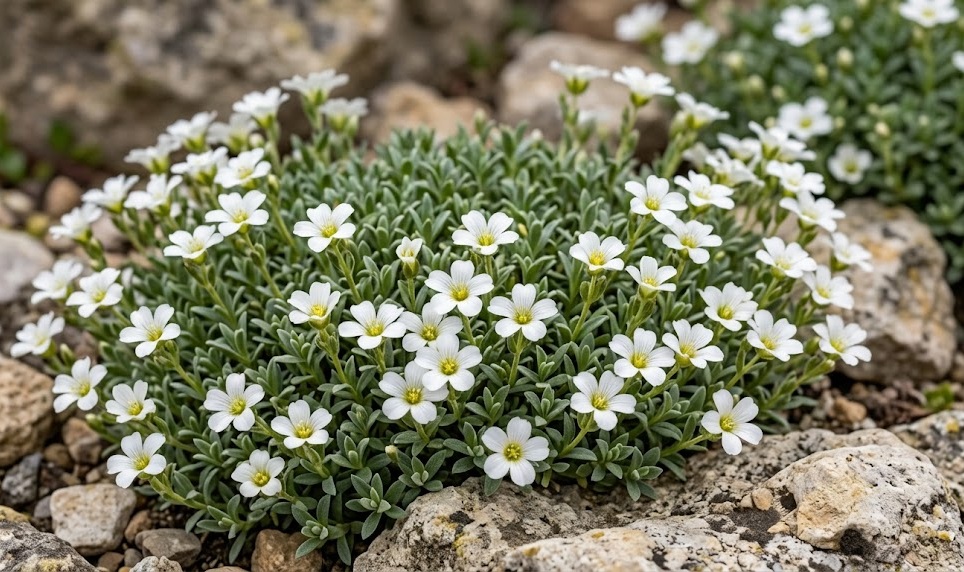

Proper hydration and nutrient management are the cornerstones of maintaining the vibrant health and prolific blooming of mountain sandwort. As an alpine species, it has evolved to survive in environments where water is often scarce but available in quick, refreshing bursts. Similarly, its nutrient needs are modest compared to many garden perennials, requiring a balanced approach that avoids the pitfalls of over-stimulation. Mastery of these two elements ensures that your plants remain compact, resilient, and covered in their signature white flowers during the peak of the season.
Understanding the hydration requirements
The key to watering mountain sandwort is to strike a balance between providing enough moisture for growth and ensuring the soil never becomes waterlogged. In its natural habitat, this plant often grows in crevices where water drains away almost instantly after a rain. In a garden setting, you should aim to keep the soil consistently moist but never saturated. This is especially important during the first year after planting when the root system is still establishing itself.
During the spring growth spurt, the plant’s demand for water increases as it produces new foliage and flower buds. You should monitor the soil moisture closely during this time, especially if the weather is unusually dry or windy. A deep watering once or twice a week is generally more effective than frequent, shallow sprinkles. This encourages the roots to grow deeper into the soil, which makes the plant more drought-tolerant in the long run.
As the heat of summer arrives, the plant enters a more conservative phase where it seeks to preserve its internal moisture. If you notice the foliage looking slightly dull or feeling less turgid, it is a sign that the plant is under water stress. However, avoid the temptation to overwater during heatwaves, as warm, wet soil can lead to root rot. Watering in the early morning allows the foliage to dry before the sun gets too hot, reducing the risk of fungal infections.
In the autumn, as the temperatures cool and the days grow shorter, the plant’s need for supplemental water naturally decreases. You should gradually reduce your watering frequency to allow the plant to prepare for the dormant winter period. However, it is important not to let the soil dry out completely before the ground freezes. A final deep watering in late autumn ensures that the evergreen foliage has a moisture reserve to help it survive the winter winds.
More articles on this topic
Soil drainage and moisture management
Effective watering is only possible if the soil has the structural capacity to handle the moisture you provide. For mountain sandwort, the physical makeup of the soil is just as important as the amount of water applied. If your garden soil consists of heavy clay, the water will sit around the roots, depriving them of oxygen and causing the plant to fail. Incorporating organic matter and mineral grit creates the “open” soil structure that this species craves.
Mulching can play a significant role in managing soil moisture levels throughout the growing season. For this specific plant, a mineral mulch like pea gravel or crushed stone is far superior to wood chips or bark. Stone mulch allows water to pass through quickly while preventing evaporation from the soil surface below. It also keeps the delicate stems of the sandwort from resting on damp earth, which is a major factor in preventing rot.
In container gardens, the management of water becomes even more critical because the volume of soil is limited. Use high-quality pots with multiple drainage holes to ensure that excess water can escape freely. You may find that container-grown sandwort needs watering more frequently than those in the ground, especially during periods of high wind. Checking the weight of the pot or using a finger to test the soil depth are reliable ways to gauge the need for hydration.
Automated irrigation systems can be used, but they must be carefully calibrated to avoid overwatering this particular species. Drip irrigation is often the best choice because it delivers water directly to the soil without wetting the dense mats of foliage. If you use overhead sprinklers, ensure they run early in the day so the sun can evaporate any moisture trapped within the leaves. Precision in water delivery is a hallmark of professional garden management for alpine perennials.
More articles on this topic
Nutrient needs and fertilization schedules
Mountain sandwort is adapted to lean soils and does not require heavy doses of high-nitrogen fertilizers. In fact, over-fertilizing can be detrimental, leading to soft, leggy growth that is more susceptible to pests and diseases. The goal of a professional fertilization program is to provide a steady, low-level supply of essential nutrients. This supports the plant’s natural growth habit without forcing it into an unnatural state of hyper-expansion.
A single application of a balanced, slow-release fertilizer in early spring is usually all that is required for the entire year. Look for a formula that includes a range of micronutrients to support the overall metabolic health of the plant. Scatter the granules around the base of the plant, being careful not to let them rest on the evergreen foliage. Watering the area immediately after application helps the nutrients move down into the root zone where they can be absorbed.
If you prefer organic methods, a thin layer of well-composted leaf mold or a very light application of bone meal can be highly effective. These organic amendments break down slowly, mimicking the natural cycle of nutrient availability in the wild. Avoid using fresh manure or high-strength liquid fertilizers, as these can burn the sensitive roots of the sandwort. The “less is more” philosophy is the best guide when it comes to feeding this resilient alpine native.
During the blooming period, some gardeners choose to use a fertilizer with a slightly higher phosphorus content to support flower production. While this can result in a more spectacular display, it is not strictly necessary if the soil is already healthy. If you do choose to supplement during the bloom, use a very diluted liquid feed to avoid any sudden chemical imbalances. Most experts agree that maintaining good soil health is more important than any specific fertilization product.
Signs of nutrient imbalance and water stress
Being able to read the visual cues of your mountain sandwort is a vital skill for any serious gardener. Nutrient deficiencies often manifest as changes in leaf color or a general lack of vigor in the new growth. For example, a yellowing of the older leaves while the veins stay green can indicate a lack of magnesium or iron. Identifying these signs early allows you to make targeted adjustments to your care routine before the plant’s health is compromised.
Conversely, an excess of nitrogen is often signaled by unusually large, dark green leaves and a total lack of flowers. If your sandwort looks like it is growing too fast and losing its compact shape, you should immediately stop all fertilization. This “soft” growth is very attractive to aphids and other sucking insects, making the plant more vulnerable to infestations. Pruning back some of this excessive growth can help the plant return to its natural, hardier state.
Water stress is usually easier to identify but can be just as damaging if left unaddressed for too long. Dehydration causes the plant to lose its vibrant green color, often taking on a grayish or wilted appearance. In extreme cases, the edges of the leaves may turn brown and brittle, starting from the oldest parts of the mat. If the soil is dry, a slow and deep soak will often revive the plant within a few hours.
On the other hand, overwatering and poor drainage cause the plant to turn yellow and feel mushy to the touch. This is a much more serious condition, as it often indicates that the roots have begun to rot in the anaerobic soil. If you suspect overwatering, stop all irrigation immediately and check the drainage of the area. In some cases, you may need to lift the plant and improve the soil structure before replanting it in a drier spot.
Long-term soil health and maintenance
Maintaining the health of mountain sandwort over many years requires a focus on the long-term quality of the soil environment. Even with careful fertilization, the soil can become depleted of organic matter or experience changes in its chemical balance. Periodically testing the soil allows you to monitor these changes and intervene before they impact the plants. A healthy soil ecosystem supports a diverse range of beneficial microbes that help the sandwort thrive.
Adding a fresh layer of mineral grit every few years helps maintain the exceptional drainage that is so vital for this species. Over time, fine particles of soil and organic matter can fill the gaps between the stones, slowing down the movement of water. Refreshing the gravel mulch not only improves the aesthetics but also ensures the crown of the plant stays dry. This simple maintenance task is one of the most effective ways to prolong the life of your sandwort colony.
The use of liquid seaweed extracts or humic acid can also support long-term vitality by improving the plant’s stress tolerance. These products do not act as traditional fertilizers but rather as soil conditioners that enhance nutrient uptake. They can be applied as a foliar spray or a soil drench a few times during the growing season. Many professional horticulturists use these bio-stimulants to keep their plants looking vibrant even during challenging weather conditions.
Ultimately, the best approach to watering and fertilization is one that respects the natural limitations of the plant. By mimicking its native environment and providing only what is truly necessary, you create a sustainable and low-maintenance garden. Mountain sandwort is a plant that rewards patience and observation over aggressive intervention. With a professional and balanced care routine, your sandwort will continue to provide a stunning carpet of white for many years to come.