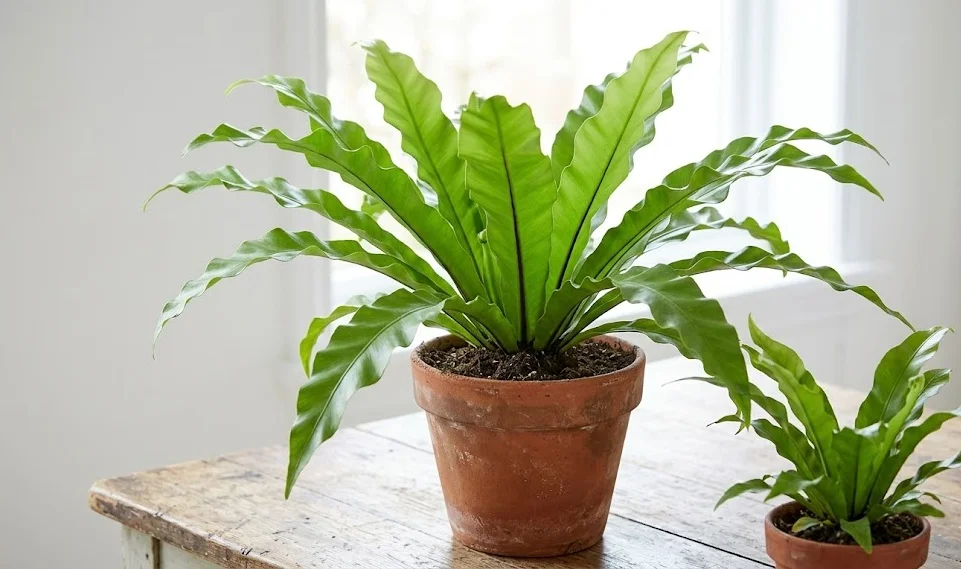

The health and vigor of a bird’s-nest fern are directly tied to the precision of your watering and fertilization routines. Because this plant is an epiphyte, its relationship with moisture and nutrients is vastly different from that of common garden plants. Finding the perfect balance is essential for maintaining the lush, glossy green fronds that make this species so desirable for indoor enthusiasts. A professional approach involves understanding the plant’s natural cycles and responding to its subtle cues with the appropriate amount of hydration and mineral support.
The art and science of proper irrigation
Watering a bird’s-nest fern requires a thoughtful technique that respects the plant’s unique physical structure and biological needs. The most important rule is to avoid pouring water directly into the central “nest” or crown of the fern. Stagnant water sitting in this area for too long can easily cause rot, which can quickly prove fatal to the entire plant. Instead, aim the water stream at the soil surface around the perimeter of the pot, allowing the moisture to reach the roots directly.
Consistency is the cornerstone of a successful watering schedule, as these ferns prefer to stay evenly moist but never waterlogged. You should wait until the top inch of the soil feels slightly dry to the touch before adding more water. If the soil is allowed to dry out completely, the fronds will lose their turgidity and may begin to wilt or develop brown, crispy edges. Conversely, keeping the soil constantly saturated will deprive the roots of oxygen and lead to the rapid onset of root rot.
The frequency of your watering will change based on the season, the temperature of your home, and the ambient humidity levels. During the active growing months of spring and summer, the plant will naturally consume more water to support the development of new fronds. In the winter, when growth slows down, you should reduce the frequency of irrigation to prevent the soil from staying too wet for too long. Always check the moisture level of the soil manually rather than relying on a strict calendar-based schedule.
Using a watering can with a narrow spout can help you precisely target the soil without splashing the sensitive central rosette. If the plant is very large, you might also consider bottom-watering by placing the pot in a tray of water for about twenty minutes. This method allows the soil to wick up the moisture from below, ensuring that the root ball is thoroughly hydrated without getting the foliage wet. Whichever method you choose, always discard any excess water that remains in the saucer after the plant has finished drinking.
More articles on this topic
Understanding the importance of water quality
The quality of the water you use is just as important as the quantity when it comes to the long-term health of your fern. Bird’s-nest ferns are sensitive to the various chemicals and minerals often found in municipal tap water sources. Substances like chlorine, fluoride, and dissolved salts can accumulate in the soil over time and eventually cause toxic reactions in the plant. This sensitivity often manifests as yellowing leaf tips or a general decline in the plant’s overall vitality and growth rate.
Whenever possible, use filtered water, distilled water, or collected rainwater to hydrate your tropical ferns. Rainwater is particularly beneficial because it is naturally soft and contains small amounts of organic matter that the plant can utilize. If you must use tap water, let it sit in an open container for twenty-four hours before using it on your plants. This simple step allows much of the chlorine to dissipate into the air, making the water slightly safer for sensitive epiphytic root systems.
Temperature is another factor of water quality that is frequently overlooked by many casual indoor gardeners. Using ice-cold water directly from the tap can shock the tropical roots of the fern and cause temporary stress or even damage. Aim for water that is at room temperature, which feels neutral to the touch and won’t cause a sudden thermal shift in the pot. This small adjustment helps maintain a stable environment for the roots, allowing them to function efficiently and absorb moisture without any negative side effects.
If you live in an area with particularly hard water, you may notice a white, crusty buildup on the surface of the soil or the rim of the pot. These are mineral deposits that can interfere with the plant’s ability to take up nutrients and water effectively. Periodic leaching of the soil with a large volume of pure water can help wash away these accumulated salts and refresh the growing environment. Maintaining high water quality is a professional secret for keeping the foliage looking deep green and healthy year after year.
More articles on this topic
Feeding strategies for optimal growth and vigor
Fertilizing a bird’s-nest fern is necessary to provide the essential minerals that would naturally be collected from organic debris in the wild. However, because these plants are not heavy feeders, a cautious and measured approach is always the best strategy for the home gardener. During the active growing season, applying a balanced liquid fertilizer at half the recommended strength is usually sufficient. This diluted dosage provides enough support for new growth without the risk of burning the delicate root system or causing salt buildup.
The frequency of fertilization should typically be once every four to six weeks during the spring and summer months. This schedule aligns with the plant’s metabolic peak and ensures that nutrients are available when the fern is producing new fronds. Avoid fertilizing the plant during the winter months when its growth slows down or stops entirely. Feeding a dormant plant can lead to an accumulation of unused chemicals in the soil, which can eventually become toxic to the roots.
When applying liquid fertilizer, always ensure that the soil is already moist before adding the nutrient solution to the pot. Applying fertilizer to bone-dry soil can cause an immediate chemical burn to the roots, which can be difficult for the plant to recover from. Think of fertilization as a supplement to healthy growth rather than a cure for a plant that is already struggling with environmental issues. A well-fed fern will have stronger cell walls, more vibrant color, and better resistance to common household pests.
Organic options, such as fish emulsion or very diluted seaweed extract, can also be used to provide a more natural source of nutrition. These products often contain a wider range of trace elements and beneficial microbes that can improve the overall health of the potting medium. Be aware that some organic fertilizers have a strong odor, so they should be used sparingly if you are growing your fern in a small, enclosed living space. Regardless of the product you choose, consistency and moderation are the keys to a successful feeding program.
Recognizing the signs of nutritional imbalance
Observing your bird’s-nest fern closely will allow you to identify when it is receiving too much or too little supplemental nutrition. Over-fertilization is a common problem that often shows up as brown, scorched tips on the fronds or a white crust on the soil surface. If you suspect that you have overfed your plant, the best course of action is to flush the soil thoroughly with plain, filtered water. This process helps to dilute and wash away the excess salts before they can cause permanent damage to the foliage.
Under-fertilization is generally less common but can manifest as slow growth, small new fronds, or a general paleness in the green color of the leaves. If the plant looks healthy but hasn’t produced a new leaf in a very long time, it may be time to introduce a gentle feeding routine. Always start with a very low concentration of fertilizer and observe the plant’s reaction over the following weeks. It is much easier to add more nutrients later than it is to fix the damage caused by a massive overdose.
Nitrogen is the primary nutrient responsible for the lush green growth that we admire so much in ferns and other foliage plants. If your bird’s-nest fern is turning yellow despite proper watering and light, it could be a sign of nitrogen deficiency in the potting medium. However, you must first rule out environmental factors like low humidity or root rot, as these often present with similar visual symptoms. A professional gardener learns to differentiate between these various issues through careful deduction and consistent monitoring of the plant’s environment.
The overall goal of a fertilization program is to maintain the plant’s steady development without forcing it into unnatural growth spurts. When a fern grows too quickly due to excessive nitrogen, the new tissues can be weak and more susceptible to pests and diseases. By providing a balanced and moderate diet, you encourage the development of a robust and resilient specimen that will thrive for years. Your bird’s-nest fern will show its appreciation through the steady production of large, healthy, and architectural green fronds.
Adjusting routines for seasonal changes
As the seasons transition, your bird’s-nest fern will naturally adjust its metabolic rate to compensate for changes in light and temperature. Professional care requires that you mirror these changes in your watering and fertilization routines to maintain the plant’s health. In the spring, as daylight increases, you will notice the first signs of new activity in the central nest. This is your cue to gradually increase the frequency of watering and begin your regular fertilization schedule for the year.
During the height of summer, the combination of warmth and long days means the plant will be at its most thirsty and hungry. You may find yourself watering more frequently, especially if the air in your home is being dried out by air conditioning systems. Keep a close eye on the soil moisture during this time and don’t let the plant sit in dry conditions for too long. If you are going on vacation, ensure that someone is available to maintain this consistent level of care for your tropical guest.
As autumn approaches and the days shorten, the fern will begin to prepare for its winter period of relative inactivity. You should start reducing the frequency of watering and taper off your fertilization schedule until you stop it completely for the season. The goal is to allow the plant to settle into a period of rest where it is not being pushed to produce new growth. This natural dormancy is important for the plant’s long-term health and ensures it has the energy to start strong again next spring.
In the winter, the primary challenge is managing the dry indoor air and the reduced light levels without overwatering the plant. Because the fern is not growing actively, its roots will not be absorbing water as quickly, making it very easy to accidentally cause root rot. Check the soil less often but more thoroughly, and focus on maintaining high humidity around the foliage rather than adding more water to the pot. By respecting these seasonal shifts, you provide your bird’s-nest fern with a care routine that truly aligns with its biological clock.