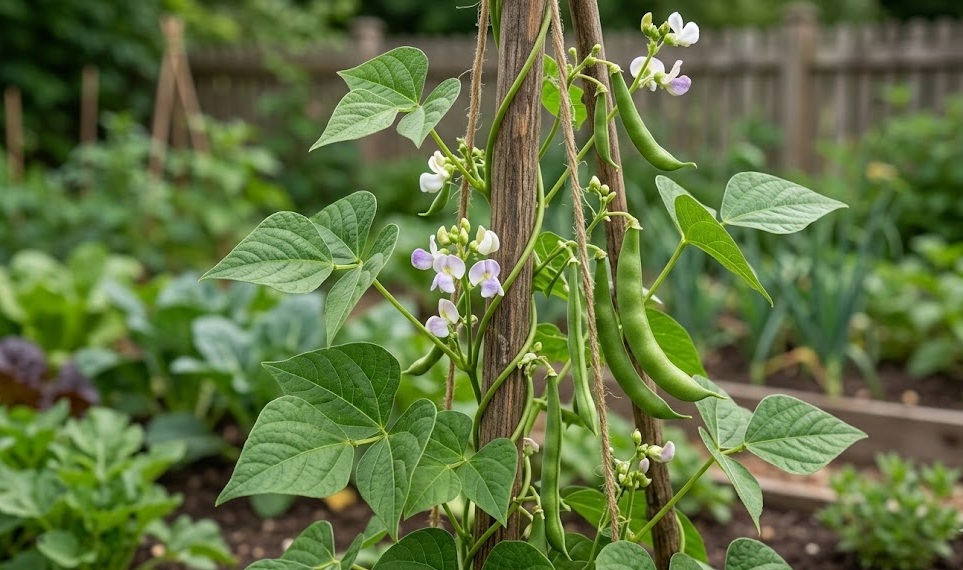

Mastering the balance of moisture and nutrients is a fundamental skill for any professional gardener dedicated to legume cultivation. Beans have specific physiological requirements that change as they progress from tiny seedlings to heavy-laden vines or bushes. You must develop a keen eye for the subtle signals the plants send when they are thirsty or hungry for specific minerals. A precise approach to watering and fertilization not only increases your yield but also strengthens the plants against environmental stressors.
The water needs of beans are most critical during two specific phases: the initial germination and the period of flowering and pod development. You should strive to keep the soil consistently moist but never saturated, as beans are prone to root rot in waterlogged conditions. During the vegetative stage, the plants can tolerate slight drying of the surface, but once the first buds appear, moisture becomes non-negotiable. Consistent hydration during this time prevents the blossoms from dropping and ensures that the pods fill out properly.
Deep watering is much more effective than frequent, shallow sprinkling because it encourages the roots to grow further down into the soil. You should aim to provide enough water to soak the ground to a depth of at least 15 to 20 centimeters. This practice creates a more resilient plant that can withstand short periods of drought without wilting or losing productivity. Checking the soil moisture with your finger or a dedicated probe is the best way to determine if it is time to turn on the hose.
Morning is the professional’s preferred time for irrigation because it allows any water that accidentally hits the leaves to dry before nightfall. Wet foliage in the evening is an open invitation for fungal pathogens like rust or bacterial blight to infect your crop. If you must water later in the day, try to apply the water directly to the base of the plant to keep the leaves dry. Understanding the local evaporation rates will help you adjust your schedule according to the heat and wind conditions of each week.
Advanced irrigation methods
Drip irrigation is widely considered the gold standard for bean production in both professional and home garden settings. This system delivers water directly to the root zone, which significantly reduces waste through evaporation and keeps the canopy dry. You can install simple soaker hoses or more complex dripper lines along your bean rows to automate the process. This method provides a steady, controlled supply of moisture that prevents the stress cycles associated with manual watering.
More articles on this topic
Mulching the soil surface is an essential partner to any irrigation strategy you choose to implement. A thick layer of organic material, such as straw or wood chips, acts as a barrier that prevents the sun from baking the moisture out of the earth. It also helps to prevent soil splashing during rain, which can transfer soil-borne diseases onto the lower leaves of your bean plants. Over time, the mulch breaks down and improves the soil’s water-holding capacity, creating a self-sustaining cycle of efficiency.
Monitoring the drainage of your garden beds is just as important as the amount of water you apply. If you notice that water sits on the surface for more than a few minutes after irrigation, your soil might be too compacted or heavy with clay. You can improve drainage by incorporating organic matter or building raised beds to ensure that the roots always have access to oxygen. Professional growers often use a “hand test” to feel the soil texture and ensure it is crumbly and well-aerated after a watering session.
In times of extreme heat, you might need to supplement your regular watering schedule with occasional cooling sessions. While you should generally avoid wetting the leaves, a very fine mist during the hottest part of the day can lower the ambient temperature around the plants. This can be particularly helpful for preventing blossom drop when the thermometer rises above 32 degrees Celsius. However, this should be done sparingly and only when there is enough wind to ensure the plants dry quickly afterward.
Understanding nitrogen fixation
Beans are members of the Fabaceae family, which is famous for the ability to form a symbiotic relationship with nitrogen-fixing bacteria. These microbes, specifically from the genus Rhizobium, colonize the roots and convert atmospheric nitrogen into a form the plant can use. You should see small, pinkish nodules on the roots of healthy bean plants if this process is functioning correctly. Because of this natural partnership, mature beans require significantly less nitrogen fertilizer than most other vegetable crops.
More articles on this topic
Applying too much synthetic nitrogen can actually be counterproductive for your bean plantation. High levels of nitrogen in the soil signal the plant to stop supporting the bacteria in the root nodules and focus instead on lush, green foliage. While the plants might look beautiful and vigorous, they often produce very few flowers and even fewer bean pods. A professional approach involves testing the soil first to ensure you are not over-feeding the plants with nutrients they can already produce themselves.
If your soil is poor or you are planting beans in a new area for the first time, you might need to help the nitrogen-fixation process along. You can purchase commercial inoculants that contain the specific bacteria needed for the type of bean you are growing. Simply coat the damp seeds with the powder before planting to ensure the bacteria are present as soon as the first roots emerge. This small step can lead to much healthier plants and a significantly higher harvest with less reliance on external fertilizers.
At the end of the season, a professional gardener never pulls the bean plants out by the roots if they want to improve the soil. Instead, you should cut the stems off at the ground level and leave the roots to decompose in the soil. This allows the nitrogen stored in the root nodules to be released slowly for the benefit of the next crop in your rotation. This natural enrichment of the soil is one of the greatest gifts that growing beans provides to the overall health of your garden ecosystem.
Essential minerals and fertilization
While nitrogen is less of a concern, beans still require a steady supply of phosphorus and potassium to reach their full potential. Phosphorus is critical for the development of a strong root system and the energy transfer required for flowering and seed production. Potassium helps the plant regulate its water usage and strengthens the cell walls, making the beans more resistant to diseases and pests. You should look for a fertilizer with a lower first number and higher second and third numbers, such as a 5-10-10 N-P-K ratio.
Micronutrients like magnesium, calcium, and sulfur also play supporting roles in the complex chemistry of bean growth. A deficiency in magnesium, for example, can lead to yellowing between the leaf veins, which reduces the plant’s ability to photosynthesize. You can address these minor needs by adding well-rotted compost or a balanced seaweed extract to your gardening routine. These organic inputs provide a broad spectrum of minerals in a slow-release form that is safe for the delicate roots of the legumes.
The timing of your fertilizer application is just as important as the type of nutrients you choose to provide. You should ideally incorporate a balanced, slow-release fertilizer into the soil at the time of planting to provide a steady base of nutrition. A second light “side-dressing” can be applied once the plants begin to flower to give them an extra boost during the demanding pod-setting phase. Always water the plants thoroughly after applying dry fertilizers to help the nutrients dissolve and reach the root zone.
Over-fertilizing can lead to a buildup of salts in the soil, which can burn the sensitive roots and stunt the growth of the beans. You should always follow the manufacturer’s instructions and err on the side of caution when applying concentrated products. If you see signs of leaf burn or unusually dark, curled leaves, you might need to flush the soil with clean water to dilute the excess nutrients. A professional approach always favors biological soil health over the heavy-handed use of synthetic chemicals.
Identifying and correcting deficiencies
Learning to read the leaves of your bean plants will allow you to diagnose nutrient issues before they cause significant yield loss. Yellowing of the older, lower leaves often indicates a lack of nitrogen, though this is rare if the root nodules are healthy. If the new leaves are pale or yellow while the veins stay green, you might be dealing with an iron or manganese deficiency, often caused by improper soil pH. Correcting the pH level is usually the first step in making these locked-up nutrients available to the plants again.
Purple or reddish tints on the leaves and stems are often a classic sign of phosphorus deficiency, especially during cool spring weather. This happens because the plant cannot absorb phosphorus effectively when the soil temperature is too low. Usually, the problem resolves itself as the weather warms up and the roots become more active in the soil. However, if the symptoms persist in warm weather, you should consider adding a water-soluble phosphorus boost to help the plants recover.
Stunted growth and distorted, crinkled leaves can sometimes be a sign of calcium deficiency, which is often linked to irregular watering. Calcium is moved through the plant via the flow of water, so if the soil dries out too often, the plant cannot transport this vital mineral to the growing tips. Maintaining a consistent moisture level through mulching and scheduled irrigation is the best way to prevent this common physiological disorder. A professional gardener knows that many “nutrient problems” are actually just “water problems” in disguise.
Finally, always remember that a healthy soil full of organic matter and beneficial life is the best insurance against any nutrient deficiency. By feeding the soil with compost and maintaining its structure, you create a reservoir of minerals that the plants can access as needed. Professional gardening is about managing the entire system rather than just reacting to individual symptoms as they appear. With a balanced approach to watering and fertilization, your beans will reward you with a bounty of high-quality produce.