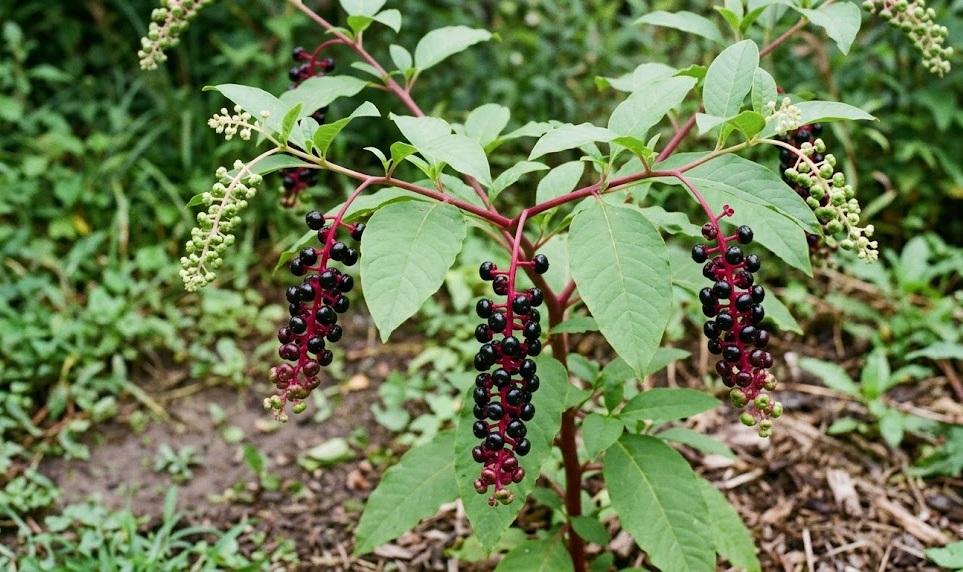

Effective hydration and nutrition are the cornerstones of growing a truly spectacular American pokeweed that stands out in your garden. This plant is known for its rapid growth rate, which means it requires a steady supply of both water and minerals to sustain its massive structure. You must develop a watering routine that mimics the natural moisture levels of its native woodland and meadow habitats for the best results. Professional fertilization techniques will further enhance the vibrant colors of the stems and the abundance of the dark, ornamental berries.
The initial watering strategy should focus on the establishment phase when the young plants are still building their root systems. During the first few weeks after planting or sprouting, you should keep the soil consistently moist but never allowed to become soggy. Checking the soil moisture by hand is a simple but effective way to ensure the plant is getting exactly what it needs. As the plant matures and its taproot deepens, it will become much more resilient to short periods of dry weather without any major issues.
In the height of the summer, the large surface area of the pokeweed leaves leads to a significant amount of water loss through transpiration. You may notice the leaves drooping slightly in the afternoon sun, which is a clear sign that the plant is thirsty and needs a deep soak. Providing water at the base of the plant early in the morning allows it to absorb the moisture before the heat of the day takes over. This proactive approach prevents heat stress and keeps the foliage looking lush and healthy throughout the hottest months of the year.
The quantity of water required will also depend on the type of soil you have in your garden and how well it retains moisture. Sandy soils will need more frequent watering, while clay-based soils may hold onto water longer and require a more cautious approach to avoid root rot. You should aim to provide a deep watering session once or twice a week rather than frequent shallow sprinklings. This encourages the roots to grow deeper into the soil in search of moisture, making the entire plant more stable and self-sufficient.
Seasonal watering adjustments
As the growing season progresses, you will need to adjust your watering schedule to match the changing environmental conditions and the plant’s life cycle. During the rainy spring months, you might not need to provide any supplemental water at all if the natural rainfall is sufficient. However, you should still keep an eye on the weather patterns to ensure that any dry spells do not hinder the early growth of the stems. Proper hydration in the spring sets the stage for the massive expansion that occurs in the coming weeks.
More articles on this topic
When the plant begins to flower and produce berries in late summer, its demand for water remains high to support these reproductive processes. This is often the time when natural rainfall is at its lowest, making your intervention as a gardener even more important for the plant’s health. You should ensure that the plant receives consistent moisture to prevent the berries from shriveling or falling off prematurely. Keeping the water supply steady during this phase results in the most beautiful and long-lasting display of dark purple fruit.
In the autumn, as the days get shorter and cooler, the plant’s water needs will naturally begin to decrease as it prepares for dormancy. You can gradually reduce the frequency of your watering sessions, allowing the soil to dry out a bit more between applications. This shift in care signals to the plant that the growing season is coming to an end and it should focus on moving energy to its roots. Even though the foliage may start to look tired, maintaining a basic level of soil moisture is still important until the first frost.
During the winter months, while the plant is dormant underground, the watering requirements are minimal but should not be completely ignored. If you live in an area with very dry winters, a light watering during a warm spell can help prevent the large taproot from desiccating completely. Once the plant has died back to the ground, you no longer need to worry about the leaves, but the life in the soil still needs protection. This professional attention to the yearly cycle ensures that your pokeweed returns with vigor every spring.
Organic fertilization methods
To support the rapid and expansive growth of the American pokeweed, a professional fertilization program is highly recommended for any serious gardener. Using organic materials like well-aged compost or leaf mold is the best way to provide a slow and steady release of nutrients throughout the season. You can apply a thick layer of compost around the base of the plant in the early spring just as the new shoots are beginning to emerge. This not only feeds the plant but also improves the overall structure and health of the surrounding soil over time.
More articles on this topic
Organic fertilizers are generally preferred over synthetic ones because they encourage a healthy population of beneficial soil microbes and fungi. These organisms work in tandem with the pokeweed’s roots to unlock minerals and make them more accessible to the plant. You can also use liquid organic fertilizers, such as compost tea or seaweed extract, to provide a quick boost during periods of peak growth. These methods provide a more balanced and natural nutritional profile that supports the long-term health of the entire garden ecosystem.
The best time to apply these nutrients is during the early and middle parts of the growing season when the plant is putting on the most biomass. You should avoid heavy fertilization in the late autumn, as this can stimulate new growth that will only be killed by the upcoming frost. Focusing your efforts on the spring and summer ensures that the energy is used efficiently to build strong stems and abundant flowers. A well-fed pokeweed will have much deeper green leaves and more intense purple coloration in its stalks.
When applying any type of fertilizer, you should always make sure the soil is already moist to prevent any potential root burn. Distribute the material evenly around the drip line of the plant, which is the area directly under the outer edge of the foliage. This is where the majority of the active feeder roots are located, allowing for maximum absorption of the nutrients. By following these professional application techniques, you can ensure that your pokeweed has all the resources it needs to reach its full majestic potential.
Mineral balance and micronutrients
In addition to the primary nutrients like nitrogen and phosphorus, the American pokeweed also benefits from a range of essential micronutrients and minerals. Trace elements such as magnesium and sulfur play a vital role in the production of chlorophyll and the overall metabolic efficiency of the plant. If you notice any unusual spotting or discoloration on the leaves, it might be a sign that the soil is lacking some of these minor but important components. Applying a balanced rock dust or a specialized mineral supplement can quickly address these hidden deficiencies.
The pH level of your soil significantly impacts the availability of these minerals, so maintaining a professional awareness of your soil chemistry is key. In soil that is too alkaline, certain nutrients like iron become chemically locked away and cannot be taken up by the roots. If your pokeweed is struggling despite plenty of water and standard fertilizer, a quick soil test can provide valuable insights into what might be missing. Adjusting the pH slightly with organic amendments like sulfur or peat can often solve the problem and revitalize the plant.
Calcium is another important mineral for the structural integrity of the large, succulent stems of the pokeweed. A sufficient supply of calcium ensures that the cell walls are strong and capable of supporting the heavy weight of the plant’s massive canopy. You can add calcium to the soil through the use of crushed eggshells or garden lime, depending on your current soil pH levels. This professional attention to detail results in a much sturdier plant that is less likely to suffer from stem breakage during storms.
Maintaining a healthy balance of minerals in the soil also helps the plant build up its natural defenses against diseases and environmental stress. A plant that has access to a full spectrum of nutrients is much better equipped to handle a sudden heatwave or a minor pest infestation. You should think of fertilization as a way of boosting the plant’s overall immune system rather than just making it grow faster. This holistic approach to plant nutrition is what separates a casual gardener from a true horticultural professional.
Signs of nutrient deficiency and excess
Being able to read the visual cues of your American pokeweed is a vital skill for managing its watering and fertilization needs effectively. If the lower leaves begin to turn yellow while the veins stay green, the plant might be suffering from a nitrogen deficiency or iron chlorosis. On the other hand, if the leaves are exceptionally dark green but the plant is not producing many flowers, you may be overdoing the nitrogen. Finding the “Goldilocks zone” of nutrition requires observation and a willingness to adjust your practices based on what the plant is telling you.
Water-related issues also have their own set of symptoms that you should be trained to recognize in your daily garden walks. Yellowing leaves that feel soft and limp often indicate overwatering or poor drainage, which can lead to the serious problem of root rot. Conversely, leaves that are crispy and brown along the edges are usually a sign that the plant is not getting enough water during the heat of the day. Learning to distinguish between these different signs of stress will help you intervene correctly and save the plant from further damage.
An excess of certain fertilizers can sometimes lead to a buildup of salts in the soil, which can actually prevent the plant from absorbing water. If you see a white, crusty film on the soil surface or notice the leaf tips turning brown, you should flush the area with plain water to wash away the extra salts. This is another reason why organic fertilizers are often safer, as they are less likely to cause this type of chemical imbalance in the garden. Professional management is all about providing just enough of what the plant needs without creating a toxic environment.
Ultimately, your goal is to maintain a stable and supportive environment where the pokeweed can grow at its natural, impressive pace. By combining careful watering with a thoughtful fertilization plan, you are providing the foundation for a truly magnificent botanical display. You should feel a sense of professional pride as you watch your pokeweed grow from a small shoot into a towering giant of the garden. Your commitment to these essential tasks is what ensures the long-term success and beauty of your horticultural projects.