The care of the Turk’s cap lily


The Turk’s cap lily, known for its distinctive, reflexed petals that resemble a turban, is a truly enchanting addition to any garden landscape. This perennial is not just admired for its unique flower shape but also for its resilience and ability to naturalize in suitable environments, creating stunning drifts of color over time. Proper care ensures these elegant lilies thrive and return year after year, gracing the garden with their sophisticated charm. Understanding their specific needs, from soil composition to their preferred placement, is the foundational step towards cultivating healthy, vigorous plants that produce an abundance of their signature nodding blossoms. Successful cultivation hinges on replicating their native woodland edge habitat, providing a balance of light, moisture, and nutrients throughout their growth cycle.
This lily species has a rich history, being one of the oldest cultivated lilies in the world, cherished in gardens for centuries. Its journey from the wild woodlands of Europe and Asia to ornamental gardens is a testament to its enduring appeal and adaptability. Unlike many of its more flamboyant hybrid cousins, the Turk’s cap lily possesses a subtle, understated beauty that complements a wide range of garden styles, from formal perennial borders to more naturalistic, woodland-inspired plantings. Its delicate appearance belies a hardy nature, making it a rewarding plant for both novice and experienced gardeners who are willing to provide for its basic requirements.
The flowers of the Turk’s cap lily are typically a dusty rose to purplish-pink, often with dark spots, and are borne in racemes of up to 50 blooms on a single tall stem. This profusion of flowers creates a spectacular vertical accent in the garden during its mid-summer blooming period. The fragrance is another notable attribute, being particularly strong in the evening, attracting moths and other nocturnal pollinators to the garden. This characteristic adds another sensory dimension to the experience of growing these remarkable plants, making them a focal point of the summer garden.
Cultivating a thriving stand of Turk’s cap lilies is a long-term investment in the garden’s beauty. Once established, these lilies are remarkably low-maintenance and can persist for decades, their clumps slowly expanding to create an impressive display. They are a true heritage plant, often passed down through generations of gardeners, carrying with them a sense of history and permanence. By dedicating the initial effort to proper site selection and soil preparation, a gardener can ensure a lasting legacy of beauty, enjoying the graceful dance of the Turk’s cap lily’s blooms for many years to come.
Understanding the growth cycle
The life cycle of the Turk’s cap lily begins with its scaly bulb, which acts as the primary storage organ for nutrients and energy. These bulbs are unique in their structure, composed of numerous fleshy scales without the protective papery tunic seen in tulips or daffodils. This makes them more susceptible to drying out, a critical factor to consider during handling and planting. The bulb remains dormant through the winter, gathering its resources for the vigorous growth that will occur in the spring, a period of rest that is essential for its survival and future blooming potential.
More articles on this topic
As soil temperatures rise in the spring, the bulb awakens from dormancy and sends up a single, unbranched stem. This stem rapidly elongates, adorned with whorls of lance-shaped leaves that provide the photosynthetic power for the plant’s development. This initial growth phase is fueled by the energy stored in the bulb from the previous season, highlighting the importance of post-flowering care. The health and size of the emerging shoot are direct indicators of the bulb’s vitality and the quality of the coming floral display.
By early to mid-summer, the plant reaches its mature height, and flower buds begin to form at the apex of the stem. These buds develop into the characteristic nodding flowers with their sharply recurved petals, opening sequentially over a period of several weeks. Pollination, often carried out by butterflies and moths, initiates the process of seed formation within the developing capsules. This flowering period is the culmination of the plant’s annual efforts and is the main reason for its cultivation in ornamental gardens.
Following the bloom period, the plant enters a critical phase of energy replenishment. The leaves continue to photosynthesize, converting sunlight into sugars that are transported down to the bulb and stored for the next year’s growth. It is during this time that the bulb also produces offsets, or smaller bulblets, which is a primary method of vegetative propagation. Allowing the foliage to die back naturally is paramount; premature removal of the stem and leaves will severely compromise the bulb’s ability to store sufficient energy, leading to a diminished display or even the failure to flower in the subsequent year.
Ideal soil and location selection
Selecting the perfect location is arguably the most critical step in ensuring the long-term health and success of Turk’s cap lilies. These plants have a distinct preference for a site that mimics their native woodland habitat, which means they thrive in dappled or partial shade. A location that receives morning sun and is protected from the harsh, scorching afternoon sun is ideal, as this prevents the delicate flowers from fading and the foliage from burning. Planting them under the high canopy of deciduous trees or on the east-facing side of a structure often provides the perfect balance of light and shade.
More articles on this topic
The soil composition is equally as important as the location and light conditions. Turk’s cap lilies demand well-drained soil, as their scaly bulbs are highly susceptible to rot if they sit in waterlogged conditions. Heavy clay soils must be amended to improve their structure and drainage. Incorporating generous amounts of organic matter, such as leaf mold, well-rotted compost, or aged pine bark, will create the loose, friable texture that these lilies prefer. This not only improves drainage but also provides a slow release of essential nutrients.
A neutral to slightly alkaline soil pH is favored by Lilium martagon. Gardeners with acidic soil conditions may need to amend their soil with garden lime or wood ash to raise the pH to a more suitable level. Conducting a soil test before planting can provide valuable information about the existing pH and nutrient levels, allowing for precise adjustments. This attention to detail in the preparatory stage will pay significant dividends in the form of robust growth and prolific flowering for years to come.
Furthermore, consideration should be given to the plant’s companions in the garden bed. Turk’s cap lilies associate beautifully with other shade-loving perennials such as hostas, ferns, astilbes, and hellebores. These companion plants not only create a visually harmonious display but also help to keep the soil cool and moist around the lily’s roots, a condition often referred to as “cool feet.” This symbiotic relationship helps to create a stable and supportive microenvironment where the lilies can become well-established and flourish.
Companion planting strategies
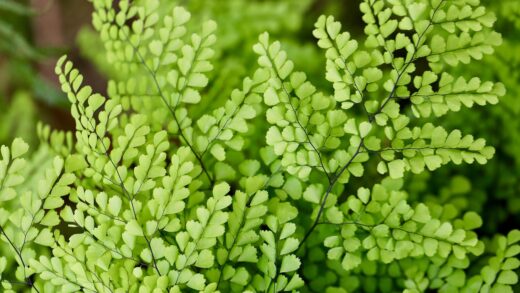
Choosing the right companion plants for Turk’s cap lilies can elevate the garden design from a simple collection of plants to a cohesive and dynamic ecosystem. The best companions are those that share similar light and soil requirements, primarily thriving in partial shade and well-drained, humus-rich soil. Ferns, with their delicate, feathery fronds, provide a wonderful textural contrast to the bold, upright stems of the lilies. Varieties like the Japanese painted fern (Athyrium niponicum ‘Pictum’) or the lady fern (Athyrium filix-femina) create a lush, green backdrop that highlights the lily’s colorful blooms.
Groundcover plants play a crucial role in a successful companion planting scheme by helping to keep the soil cool and suppressing weed growth. Plants like sweet woodruff (Galium odoratum), with its whorled leaves and tiny white flowers, or foamflower (Tiarella cordifolia) form a dense mat of foliage that conserves soil moisture, which is beneficial for the lily bulbs. These groundcovers also provide a living mulch, reducing the need for manual weeding and creating a more naturalistic, woodland floor effect that complements the aesthetic of the Turk’s cap lily.
Perennials that flower at different times can extend the season of interest in the garden bed. Early spring bloomers like hellebores (Helleborus orientalis) and lungwort (Pulmonaria) provide color before the lilies emerge, while late-season bloomers like Japanese anemones (Anemone hupehensis) and toad lilies (Tricyrtis) take over after the lilies have finished flowering. This succession of blooms ensures that the garden remains vibrant and visually appealing throughout the growing season, with the Turk’s cap lilies serving as the magnificent mid-summer highlight.
It is also wise to incorporate plants that can offer structural support to the tall, slender stems of the lilies, which can sometimes be prone to bending in strong winds or heavy rain. Bushy perennials like hostas or goatsbeard (Aruncus dioicus) can provide a subtle scaffolding, helping to hold the lily stems upright without the need for artificial staking. This creates a more integrated and natural look while protecting the elegant flower stalks from damage, ensuring the blooms are displayed to their best advantage.
Recognizing and addressing common issues
While Turk’s cap lilies are generally robust and disease-resistant, they are not entirely immune to problems. One of the most common issues is bulb rot, which is almost always a result of poor drainage and waterlogged soil. Symptoms include yellowing leaves, stunted growth, and a general failure to thrive. To prevent this, it is essential to ensure the planting site has excellent drainage and to amend heavy soils with organic matter before planting. If bulb rot is suspected, it is best to carefully lift the bulb, trim away any soft or decayed portions, and replant it in a more suitable location.
Aphids can sometimes be a nuisance, congregating on the new growth and flower buds to suck sap from the plant. While a minor infestation is unlikely to cause significant harm, a large population can distort growth and weaken the plant. They can often be managed by spraying them off with a strong jet of water from a hose or by introducing beneficial insects like ladybugs and lacewings, which are natural predators. For more severe infestations, insecticidal soap can be an effective and environmentally friendly control method.
The lily beetle (Lilioceris lilii) is a more serious pest, known for its voracious appetite for lily foliage, stems, and buds. Both the bright red adult beetles and their slug-like larvae can cause significant damage in a short amount of time. Vigilance is the key to controlling this pest. Hand-picking the adults and larvae and crushing them is the most effective method in small gardens. Regular inspection of the undersides of leaves for the rows of orange eggs is also crucial, as these can be wiped away before they hatch.
Fungal diseases such as botrytis blight can occasionally affect Turk’s cap lilies, especially during prolonged periods of cool, wet weather. This disease manifests as grayish-brown spots on the leaves, stems, and flowers, which can quickly spread and cause the plant tissue to rot. To prevent botrytis, ensure good air circulation around the plants by providing adequate spacing and avoiding overhead watering. Removing and destroying any affected plant parts promptly can help to prevent the spread of the fungal spores to healthy tissue.
Post-flowering care and maintenance
The period immediately following the bloom is a crucial time for the Turk’s cap lily, as this is when the bulb actively works to store energy for the next growing season. The most important aspect of post-flowering care is to resist the urge to cut back the foliage and stems immediately after the last flower fades. The leaves must be allowed to continue photosynthesizing, a process that replenishes the bulb’s energy reserves. This period of rejuvenation is essential for ensuring a robust display of flowers in the following year.
As the flowers fade, it is beneficial to practice deadheading, which involves removing the spent blossoms before they begin to form seed pods. This directs the plant’s energy away from seed production and channels it entirely into bulb development. To deadhead, simply snap off the individual faded flowers at the point where they join the main stem, being careful not to damage any remaining buds or the main stalk itself. This simple task can significantly improve the quality and quantity of blooms in the subsequent season.
Throughout the late summer and early autumn, the foliage will gradually begin to yellow and wither as the plant’s energy is drawn back down into the bulb. This is a natural part of the lily’s life cycle and is a sign that it is preparing for its winter dormancy. Once the stem and leaves have turned completely brown and dried, they can be cut back to the ground level. Removing the dead foliage at this stage helps to tidy the garden bed and can reduce the overwintering sites for potential pests and diseases.
This post-flowering period is also an opportune time to apply a top dressing of well-rotted compost or a balanced, slow-release granular fertilizer around the base of the plant. This provides a gentle supply of nutrients that the bulb can utilize as it prepares for dormancy and will support strong growth when it emerges in the spring. A healthy, well-fed bulb is the foundation of a spectacular Turk’s cap lily display, and this final act of care in the autumn sets the stage for future success.
Long-term establishment and naturalizing
One of the most rewarding characteristics of the Turk’s cap lily is its ability to naturalize in the garden, slowly spreading to form elegant and impressive colonies over time. This process occurs when the plant is situated in an environment that closely matches its ideal growing conditions, allowing it to thrive with minimal intervention. For naturalization to be successful, the initial site selection is paramount; a location with dappled shade, moist but well-drained humus-rich soil, and protection from strong winds will encourage the lilies to establish and multiply.
The primary method of naturalization for Lilium martagon is through the production of offsets, which are small new bulbs that form around the base of the parent bulb. Over several years, these offsets will mature and begin to produce their own flower stalks, gradually increasing the size and density of the clump. This slow and steady expansion is what creates the beautiful, natural-looking drifts that are so highly prized in woodland and informal garden settings.
To encourage this process, it is best to disturb the established clumps as little as possible. Unlike many other perennials that require frequent division to maintain vigor, Turk’s cap lilies prefer to be left undisturbed for many years. Division should only be considered when a clump becomes noticeably overcrowded, indicated by a decrease in the number or size of the flowers. When division is necessary, it should be done carefully in the autumn to minimize stress on the plants.
Patience is a key virtue when aiming to naturalize Turk’s cap lilies. It can take several years for a newly planted bulb to become fully established and begin to produce offsets. During this initial period, consistent care, including appropriate watering and mulching, will help the plant build the strong root system and robust bulb necessary for long-term success. The reward for this patience is a self-sustaining and ever-expanding display of one of the garden’s most graceful and timeless flowers.