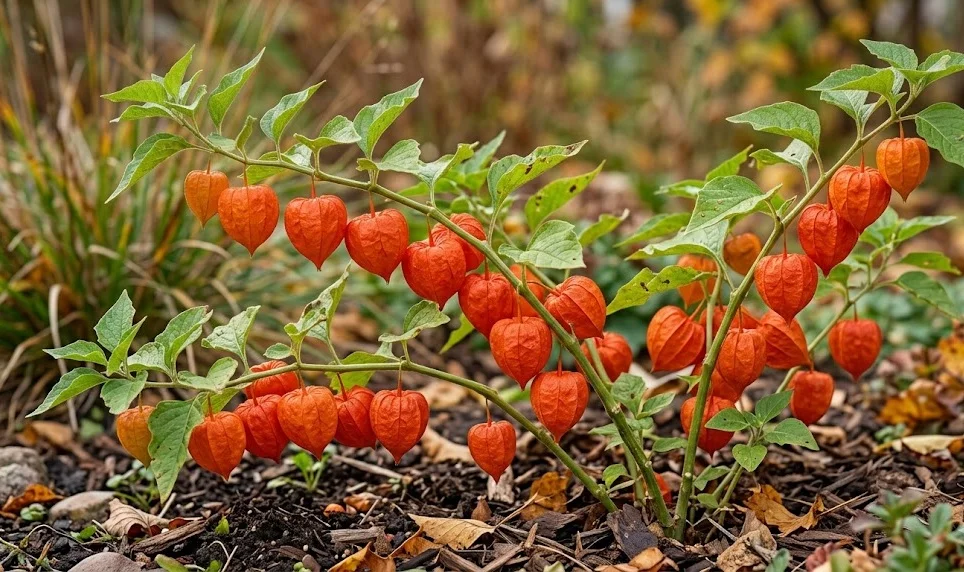

Managing the Chinese lantern effectively requires a deep understanding of its botanical nature and growth patterns. This perennial plant is highly valued for its striking orange husks that resemble delicate paper lanterns during the autumn months. While it is a hardy species, achieving the best visual results depends on consistent attention to environmental factors throughout the growing season. Enthusiasts often find that a professional approach to its daily maintenance yields the most vibrant and long-lasting displays.
The plant thrives in temperate climates and is known for its ability to spread rapidly via underground rhizomes. This aggressive growth means that monitoring its boundaries is a key part of regular garden care. Gardeners must decide early on whether to allow it to naturalize or to keep it contained within specific borders. Proper management ensures that the plant remains a highlight of the landscape rather than an invasive nuisance.
Air circulation is another critical aspect of its overall health and development during the peak summer heat. By providing enough space between individual plants, you can significantly reduce the risk of fungal infections that often plague dense foliage. This spacing also allows for better light penetration, which is essential for the maturation of the colorful calyxes. Consistent observation helps in identifying any potential issues before they become systemic problems for the entire colony.
Removing spent foliage and keeping the area around the base clean will promote a healthier environment for the root system. As the seasons change, the requirements of the plant shift from growth support to preparing for its dormant phase. Understanding these cyclical needs allows for a more proactive rather than reactive gardening strategy. Professional-grade care ensures that the Chinese lantern returns with vigor year after year.
Optimal soil conditions and preparation
The foundation of a healthy specimen lies in the quality of the soil where it is established. This species prefers a well-draining medium that is rich in organic matter to support its vigorous root expansion. While it can tolerate various soil types, a loamy texture provides the ideal balance of moisture retention and aeration. Preparing the site with composted manure or high-quality garden compost will give the plant a significant advantage.
More articles on this topic
Soil pH levels should ideally remain in the neutral to slightly acidic range for the best nutrient uptake. Testing the soil before the growing season begins can reveal if any amendments like lime or sulfur are necessary. A balanced environment prevents the yellowing of leaves and ensures the stems are strong enough to support the heavy lanterns later in the year. Professional cultivators often prioritize soil structure over simple fertilization routines.
Compacted soil can be a major hindrance to the development of the rhizomes, leading to stunted growth. Using a garden fork to loosen the earth around the planting area helps in promoting deep root penetration. Adding perlite or coarse sand can improve drainage in areas where clay content is particularly high. A well-prepared bed reduces the labor required for maintenance during the more demanding summer months.
Microbial activity within the soil also plays a vital role in the long-term health of the plant. Encouraging beneficial fungi and bacteria through the use of organic mulches creates a self-sustaining ecosystem. This biological approach to gardening reduces the reliance on synthetic inputs and fosters a more resilient plant. Healthy soil is the primary defense against the stresses of extreme weather and environmental fluctuations.
Seasonal maintenance routines
Spring is the time for renewal and careful monitoring as the first shoots begin to emerge from the ground. This is the perfect window to check for any winter damage and to clear away old debris from the previous year. Applying a thin layer of fresh mulch now will help suppress weeds that compete for vital nutrients. It also helps in maintaining a consistent soil temperature as the weather warms up.
More articles on this topic
During the summer, the focus shifts toward maintaining a steady growth rate and protecting the developing flowers. The plants may require support if they are grown in windy areas, as the stems can become top-heavy. Staking individual plants or using a grid system can prevent the stems from bending or breaking. Regular inspections for pests should also be part of the weekly routine during these high-growth months.
Autumn is the season when the Chinese lantern truly shines, as the husks change from green to brilliant orange. At this stage, it is important to decide which lanterns will be harvested for drying and which will remain for garden interest. If the weather becomes excessively wet, harvesting early may be necessary to prevent the lanterns from rotting or discoloring. Proper timing during this phase ensures the highest aesthetic quality for decorative uses.
As winter approaches, the plant enters a period of dormancy and requires very little active intervention. The foliage will naturally die back, providing a protective layer for the crown if left in place. In many regions, the skeletal remains of the lanterns provide structural interest in the winter garden. Planning for the next season starts now by reflecting on the successes and challenges of the past year.
Managing invasive growth patterns
One of the most significant challenges in caring for this species is its tendency to spread beyond its intended area. The underground rhizomes are incredibly efficient at colonizing new territory if they are not physically restricted. Many professional landscapers recommend using root barriers or large containers to maintain control over the plant. Without these measures, the Chinese lantern can quickly overwhelm smaller or less vigorous neighbors.
Regular thinning of the colony is necessary to maintain a healthy density and ensure adequate resources for every stem. Removing the outer edges of the clump each spring can help keep the plant within its designated footprint. This practice also rejuvenates the center of the patch, which can sometimes become less productive over time. Managing the spread is not just about aesthetics but also about the long-term health of the entire garden.
If the plant does escape its boundaries, it is important to remove the stray rhizomes entirely from the soil. Even a small piece of the root left behind can sprout into a new plant under the right conditions. Vigilance is required, especially in smaller garden beds where space is at a premium. Educating oneself on the root structure makes this task much easier and more effective.
In larger, more naturalistic gardens, the spreading habit might be welcomed as a ground cover option. In these settings, the plant can be allowed to wander more freely to create a dense and colorful thicket. However, even in wilder areas, it is wise to monitor the impact on native or more delicate species. Controlled growth always leads to a more harmonious and visually pleasing garden environment.
Enhancing the aesthetic quality of the lanterns
The primary appeal of this plant is the ornamental value of its papery husks, which require specific care to reach perfection. Ensuring the plant receives adequate sunlight is the most important factor in developing deep, saturated colors. Plants grown in too much shade often produce smaller lanterns that remain pale or greenish. Sunlight acts as the catalyst for the chemical changes that produce the iconic orange hues.
Nutrient balance also affects the texture and durability of the lanterns themselves. Too much nitrogen can lead to lush green leaves but fewer and weaker flowers and husks. A fertilizer with a higher phosphorus and potassium content is generally preferred once the flowering stage begins. This shift in nutrition supports the structural development of the calyx rather than just the foliage.
Protecting the lanterns from physical damage is essential for those who wish to use them in floral arrangements. Strong winds or heavy rain can bruise the delicate husks or cause them to detach prematurely. Providing some wind protection or using support structures can mitigate these risks during the late summer storms. Careful handling during any maintenance task is also a hallmark of a professional approach.
Harvesting at the correct moment is the final step in securing the highest quality lanterns. Waiting until the husks are fully orange but before they begin to weather and turn “skeletal” is ideal for most decorations. If you prefer the lacy, skeletal look, leaving them on the plant through the first frosts will accelerate that natural process. Each choice leads to a different but equally fascinating aesthetic result.
Environmental stressors and resilience
Despite its hardy nature, the Chinese lantern can be affected by extreme fluctuations in temperature and moisture. Unexpected late frosts in the spring can damage tender new shoots, though the plant usually recovers from the roots. In these instances, a temporary cover can provide enough protection to save the early growth. Resilience is built into the species, but minimizing stress leads to a more impressive display.
Heatwaves in the mid-summer months can cause the leaves to wilt, even if the soil seems relatively moist. This is often a transpirational issue where the plant loses water faster than it can be replaced. Providing temporary shade or increasing humidity around the plants can help them cope with these intense periods. A healthy layer of mulch is the best tool for keeping the root zone cool and stable.
Pollution and poor air quality in urban environments can sometimes lead to leaf spotting or reduced vigor. Choosing a planting site away from heavy traffic or industrial runoff can help the plant thrive in city gardens. The Chinese lantern is surprisingly tolerant of many urban conditions, making it a popular choice for city dwellers. However, regular cleaning of the foliage with a gentle spray of water can remove accumulated dust.
Understanding the local microclimate is the key to anticipating and managing these various stressors. Observation of how the plant reacts to different weather events will provide valuable data for future care. A professional gardener learns to read the subtle signs of stress before they become visible damage. This proactive mindset is what separates a thriving garden from one that merely survives.
Long-term garden integration
Integrating the Chinese lantern into a wider garden design requires careful thought about its seasonal transitions. Since the plant is most attractive in late summer and autumn, it should be paired with species that peak at different times. Early-flowering bulbs or mid-summer perennials can provide color while the lanterns are still green. This ensures that the garden bed remains visually interesting throughout the entire calendar year.
The height and spread of the plant make it an excellent mid-border or background specimen in many designs. Its coarse texture contrasts beautifully with finer-leaved plants like ornamental grasses or ferns. When the orange husks appear, they provide a brilliant counterpoint to the purples and blues of late-season asters. Strategic placement allows the Chinese lantern to become a focal point without dominating the scene.
Consider the aftermath of the growing season when the stems are cut back and the area becomes bare. Planting winter-hardy ground covers nearby can help fill the void left by the dormant Chinese lanterns. Alternatively, leaving the dried stems through early winter can add architectural interest to the frost-covered landscape. A thoughtful design considers the full lifecycle of every plant in the composition.
Eventually, a colony of Chinese lanterns may benefit from a complete overhaul every few years. Lifting the entire clump, amending the soil, and replanting the most vigorous sections can restore peak performance. This rejuvenation process prevents the center from becoming woody and less productive. Long-term success is the result of both daily care and periodic structural maintenance.