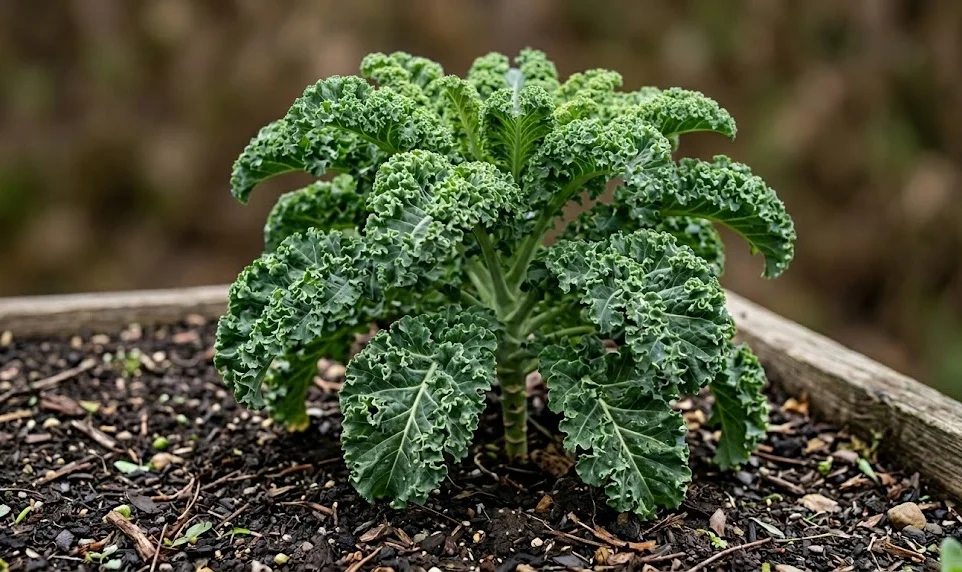

Developing a successful strategy for keeping your vegetables productive through the coldest months of the year is a hallmark of an advanced gardener. While many varieties of this crinkled cabbage are naturally cold-hardy, they still require specific preparations to survive deep freezes and fluctuating winter temperatures. The goal of overwintering is to maintain the structural integrity of the plant so that it can provide a fresh harvest when most of the garden is dormant. This process involves a combination of variety selection, site preparation, and protective measures.
The first step in a professional overwintering plan is choosing a variety that is specifically bred for late-season performance and frost resistance. These “winter types” often have thicker leaves and a higher sugar content, which acts as a natural antifreeze within the plant tissues. You should look for descriptions that mention “long-standing” or “winter hardy” when purchasing your seeds or transplants in the summer. Planting these varieties in mid to late summer ensures they have enough time to establish a strong root system before the first hard freeze arrives.
Soil preparation for overwintering focus on drainage and insulation to protect the sensitive crown and root zone of the cabbage. Waterlogged soil is the primary killer of plants during the winter, as the ice crystals can physically crush the roots and lead to rot. You should ensure that your winter beds are slightly raised or amended with plenty of grit to allow excess water to drain away quickly. A thick layer of organic mulch, such as straw or wood chips, applied around the base of the plants will help regulate the soil temperature.
Protective structures can extend the harvest period significantly and prevent physical damage from heavy snow or freezing rain. Simple wire hoops covered with heavy-duty garden fleece or clear plastic create a microclimate that is several degrees warmer than the surrounding air. This protection is especially important for the “heart” of the cabbage, where the new leaves are being formed for the spring. You should ensure that these covers are securely anchored against the winter winds, which can quickly desiccate and kill exposed foliage.
Managing light and airflow in winter
Even during the shortest days of the year, these plants still require some level of light to maintain their cellular health and basic metabolic functions. If you are using heavy covers or snow accumulates on your structures, it is important to clear it away as soon as possible to let the sun reach the leaves. Position your winter garden in the sunniest possible spot, ideally with a southern exposure that catches every available bit of winter warmth. This extra energy helps the plant recover from the stress of overnight freezing and encourages slow but steady growth.
More articles on this topic
Airflow remains a critical factor even in the winter, as stagnant air under covers can lead to high humidity and the development of grey mold. You should briefly vent your tunnels or cold frames on sunny days when the temperature rises above freezing to allow fresh air to circulate. This simple action helps dry out the foliage and prevents the buildup of pathogens that thrive in damp, enclosed spaces. Closing the covers again before the sun goes down will trap the day’s warmth and protect the plants through the coming night.
Monitoring for pests is a task that continues even when the ground is frozen, as some creatures remain active under the protection of your garden covers. Slugs and snails can be particularly problematic during mild winter spells, hidden away in the mulch or under the leaves. You should also watch for small rodents that might find the sheltered environment and the succulent cabbage hearts to be an irresistible food source. Regular inspections will allow you to catch these issues early and take the necessary steps to protect your winter investment.
Watering during the winter is a delicate balance that depends heavily on the local weather conditions and the type of protection you are using. While the plants grow very slowly and need much less hydration than in the summer, they should never be allowed to dry out completely. If the soil under your covers feels dry several inches down, apply a small amount of water during a midday thaw. Avoid getting any water on the foliage itself, as this can lead to ice damage if the temperature drops again before the leaves have dried.
Harvesting from the winter garden
The unique beauty of an overwintered crop is the ability to harvest fresh, sweet leaves directly from the garden when the grocery store options are limited. Frost actually improves the flavor of many winter cabbages by converting some of the starches into sugars, making them much more palatable. You can begin harvesting individual outer leaves as needed, or wait until the entire head has reached its maximum density. Harvesting during a thaw is easier on both the gardener and the plant, as the tissues are more flexible and less prone to snapping.
More articles on this topic
If the heads are frozen solid when you need them, you must handle them with extreme care to avoid bruising the delicate internal structures. It is often best to cut the entire head and allow it to thaw slowly in a cool room before you attempt to clean or prepare it for cooking. This slow transition prevents the cellular walls from collapsing and maintains the crisp texture that these cabbages are known for. Once thawed, the cabbage should be used relatively quickly, as its storage life may be reduced compared to a fresh-cut summer crop.
The timing of your final winter harvest will depend on the variety and the specific weather patterns of your region. Some types are designed to be harvested in early winter, while others will stand perfectly in the field until the first signs of spring. As the days begin to lengthen in February and March, you should keep a close eye on the plants for any signs of bolting. The transition to spring often triggers the plant to send up a seed stalk, at which point the quality of the leaves will rapidly decline.
Post-harvest care for the garden bed involves removing any remaining plant debris and preparing the soil for the next cycle of spring planting. This is a good time to add a fresh layer of compost to replenish the nutrients that were used during the long winter growing period. Reflecting on which varieties performed best and which protective measures were most effective will help you refine your plan for the following year. Successful overwintering is a continuous learning process that rewards the diligent gardener with year-round productivity.
Spring transition and seed saving
As the temperatures begin to stabilize and the ground thaws, your overwintered cabbages will enter a period of rapid growth known as the spring flush. This is an excellent time for one last harvest of the tender, sweet hearts before the plants begin their natural reproductive cycle. If you have any plants that were particularly resilient and high-quality, you might consider leaving them in the ground to produce seeds. This allows you to develop a locally adapted strain that is perfectly suited to your specific winter conditions.
Brassicas are biennial plants, meaning they complete their life cycle over two years, flowering and producing seeds only after a period of winter cold. The flowering stalks of a cabbage are actually quite beautiful and will attract a wide variety of early-season pollinators to your garden. You will need to protect the developing seed pods from birds and ensure that the plants are not cross-pollinated by other related vegetables blooming nearby. Once the pods have turned brown and brittle, you can harvest the seeds and store them in a cool, dry place for future propagation.
The end of the overwintering period is also the time to inspect your permanent garden structures for any damage caused by winter storms or heavy snow. Repairing hoops, cleaning fleece covers, and organizing your winter supplies now will save you time when the next autumn rolls around. Proper storage of your protective equipment ensures that it will last for many years, making your winter gardening efforts more sustainable and cost-effective. Taking the time to close the season properly is just as important as the initial planting in the summer.
Integrating overwintering into your overall garden plan allows you to maximize the use of your available space and provides a more consistent food supply. It challenges you to think beyond the traditional spring-to-autumn growing season and to engage more deeply with the natural cycles of your local climate. Whether you are a professional grower or a dedicated home gardener, the skills required for winter success will enhance every aspect of your agricultural practice. The reward of a fresh, home-grown cabbage in the middle of January is well worth the extra effort and planning.