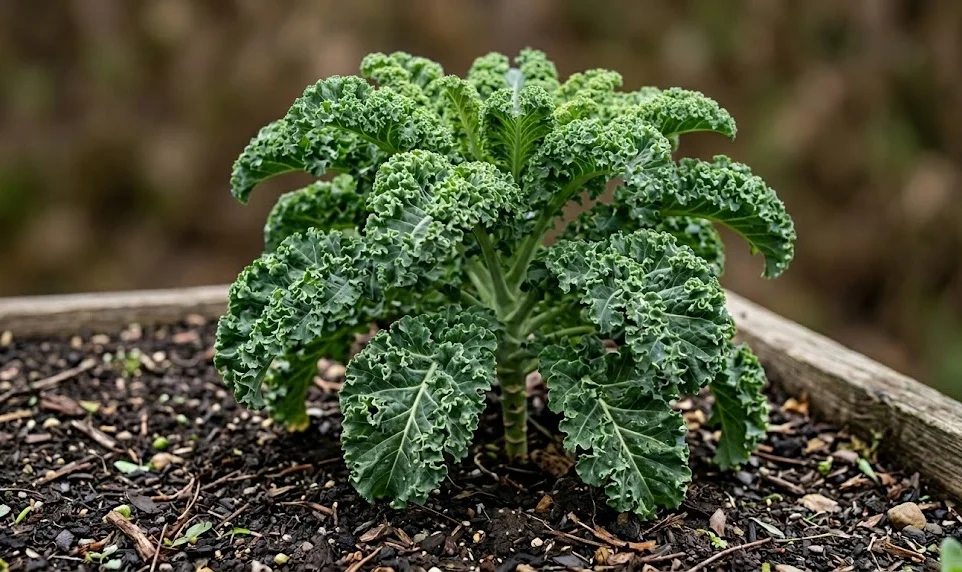

The relationship between sunlight and the development of these textured vegetables is a fundamental aspect of their physiology that every gardener must master. While they are often associated with cooler climates and autumn harvests, their need for high-quality light remains a constant throughout their life cycle. Understanding how to manage solar exposure will help you produce heads that are dense, vibrant, and full of the essential vitamins your customers expect. A professional approach to light management involves both site selection and seasonal adjustments to ensure the plants never suffer from lack of energy.
Full sun exposure, defined as at least six to eight hours of direct sunlight per day, is the ideal condition for most varieties of this cabbage. This intense energy is required to fuel the rapid production of the large, crinkled leaves that form the characteristic head of the plant. Without adequate light, the plants will become “leggy,” with long, weak stems and loose, underdeveloped hearts that are prone to diseases. Proper positioning of your garden beds to avoid shade from buildings or large trees is the first step toward a successful and high-yielding crop.
The quality of the light is just as important as the duration of exposure, especially during the early stages of seedling development. Young plants that are started indoors often struggle with the lower intensity of light found through a typical window, leading to weak and spindly growth. Professional growers often use high-intensity discharge lamps or specialized LED grow lights to mimic the spectrum of the sun during the spring. This ensures that the transplants enter the garden with a strong, compact structure and a robust root system capable of supporting heavy growth.
During the height of summer, the intensity of the sun can sometimes become a stress factor, even for a plant that loves the light. Extreme heat accompanied by direct midday sun can cause the leaves to wilt and may lead to “sunscald” on the most exposed parts of the head. In these regions, providing a bit of filtered shade during the hottest part of the afternoon can actually be beneficial for the overall quality of the crop. Using a light-colored shade cloth allows the plant to continue photosynthesizing while protecting it from the damaging effects of excessive infrared radiation.
Managing light in the changing seasons
As the angle of the sun changes with the transition from summer to autumn, the shadows in your garden will lengthen and move in new directions. It is important to anticipate these shifts when planning your late-season cabbage patch to ensure the plants aren’t suddenly plunged into deep shade. Varieties intended for winter harvest are particularly sensitive to this, as they need every possible bit of energy from the weakening autumn sun. Keeping the area around your brassica beds clear of tall summer crops like corn or climbing beans will help maximize light penetration.
More articles on this topic
Light reflection can be a useful tool for increasing the total amount of energy reaching your plants, especially in smaller gardens or urban settings. Positioning your garden against a white-painted wall or using reflective mulches can bounce additional light onto the lower parts of the plant. This technique is particularly effective during the shorter days of late autumn and early spring when every bit of extra solar energy counts. It helps keep the soil warmer and encourages the plant to maintain its metabolic activity even as the ambient temperature begins to drop.
Cloudy and overcast weather, which is common during the primary growing seasons for this cabbage, naturally reduces the amount of light available for photosynthesis. While you cannot control the weather, you can manage the spacing of your plants to ensure that each one has the best possible access to what light is available. Overcrowded rows lead to “self-shading,” where the large outer leaves of one plant block the sun from reaching its neighbor’s developing heart. Following professional spacing guidelines ensures that the light is distributed as evenly as possible throughout your entire agricultural project.
The interaction between light and temperature is a complex balance that determines the flavor and texture of the final harvested product. High light levels combined with cool temperatures are the secret to producing the sweet, crisp leaves that make this variety so popular in the kitchen. If the light is high but the temperature is too hot, the plant may prioritize survival over quality, leading to a more bitter and fibrous head. Understanding these local environmental dynamics allows you to time your planting and harvesting for the best possible results in your specific climate.
Interior light penetration and plant density
The dense, overlapping structure of a maturing cabbage head naturally creates a challenge for light to reach the inner layers of the plant. The large outer wrapper leaves act as solar collectors, gathering energy to build the tightly packed heart that will eventually be the center of your meal. It is vital to maintain these outer leaves in a healthy condition, as they are the primary source of nutrition for the entire developing organism. Any damage from pests or diseases on these outer “solar panels” will directly impact the size and quality of the final harvest.
More articles on this topic
Improving light penetration to the base of the plant can be achieved through careful weeding and the occasional removal of the lowest, yellowing leaves. This allows more light to reach the soil surface, which helps maintain a stable temperature and encourages a healthy population of beneficial soil microbes. It also ensures that the stem remains strong and is not forced to stretch toward the light, which could lead to a less stable plant as the head gains weight. Good light access at the base also helps the soil dry out more quickly after rain, reducing the risk of fungal infections.
In professional settings, the use of white or light-colored ground covers can significantly increase the “albedo” or reflectivity of the garden surface. This bounces light up into the underside of the leaves, where much of the plant’s gas exchange and some photosynthesis occur. This extra light can lead to faster growth rates and a more uniform development of the heads across the entire field. While this may be less practical for a small home garden, it highlights the importance of maximizing every available photon in a high-production environment.
Observation of your plants’ physical posture can tell you a lot about whether their light requirements are being met effectively. Cabbages that are receiving optimal light will have a compact, “squat” appearance with thick, sturdy stems and leaves that are oriented to capture the sun. If you notice your plants leaning in a particular direction or becoming unusually tall and thin, it is a clear signal that they are struggling for light. Adjusting your future garden layouts based on these observations is the hallmark of a skilled and attentive agricultural professional.