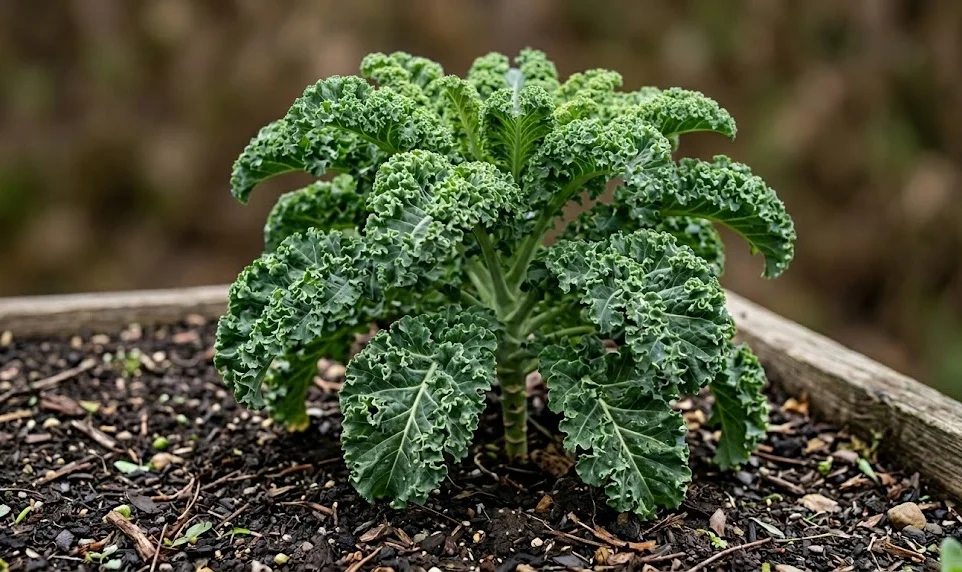

Maintaining the health of your vegetable garden requires a dedicated focus on the specific needs of crinkled-leaf brassicas throughout the season. Proper care involves a combination of environmental monitoring and timely physical interventions to ensure the plants reach their full potential. Gardeners must remain vigilant against shifting weather patterns that can impact the structural integrity of the foliage. Developing a routine for inspection will help in identifying nutritional deficiencies or environmental stress early on.
Regular soil assessment is the foundation of long-term success when dealing with this particular variety of cabbage. You should regularly check the consistency of the earth to ensure it remains friable and well-aerated for root expansion. Adding composted organic matter during the growing phase helps maintain a steady supply of micronutrients for the developing heads. Avoiding heavy foot traffic around the root zone prevents soil compaction which can stunt the overall growth of the plant.
Environmental stability is crucial for preventing the leaves from becoming too bitter or tough before the harvest arrives. Providing temporary shade during unexpected heatwaves can prevent the delicate crinkled edges from scorching under intense sunlight. Wind protection is also necessary for taller varieties that might experience physical damage during heavy summer storms. Consistent monitoring of the ambient temperature allows for quick adjustments in your maintenance schedule to protect the crop.
Managing the space between individual plants ensures that each specimen receives adequate airflow to prevent fungal issues. You should remove any lower leaves that show signs of yellowing or touch the soil surface to improve hygiene. Weeding must be done with extreme care to avoid damaging the shallow and sensitive root systems of the cabbages. Using hand tools instead of heavy machinery near the base of the plant is the preferred method for professional growers.
Soil management and nutrient balance
The composition of the growing medium directly influences the density and flavor profile of the final harvested product. A balanced pH level is essential for the efficient uptake of minerals that support the unique texture of the leaves. Testing the soil periodically allows for precise adjustments using lime or sulfur depending on the specific site requirements. High quality organic inputs should be integrated into the top layer of the earth without disturbing the core root structure.
More articles on this topic
Nutrient availability fluctuates depending on the biological activity within the soil and the current stage of plant development. Professional cultivators often utilize slow-release organic fertilizers to provide a steady stream of nitrogen during the vegetative growth phase. It is important to avoid over-fertilization which can lead to rapid but weak growth that attracts more pests. Observing the color intensity of the foliage provides immediate feedback on whether the current feeding regimen is sufficient for the crop.
Water retention capabilities are significantly improved when the soil contains a high percentage of well-rotted organic material. This helps bridge the gap during dry spells and ensures that the plant does not experience moisture-related physiological shocks. Deep cultivation prior to planting encourages the roots to penetrate further into the ground for better stability. Maintaining a healthy microbial population in the soil further assists in breaking down nutrients for easier absorption by the plant.
Drainage remains a critical factor that can determine the success or failure of your gardening efforts during wet seasons. Soil that remains saturated for too long can lead to root rot and other anaerobic conditions that kill the plant. Creating raised beds or improving the soil structure with grit can help move excess water away from the sensitive crown. Proper drainage ensures that oxygen levels in the soil remain high enough for healthy cellular respiration in the roots.
Pest monitoring and organic control
Vigilance is the primary defense against the various insects that find the textured leaves of this plant particularly attractive. Early morning inspections are the most effective way to catch caterpillars and aphids before they cause significant structural damage. Physical barriers like fine mesh netting can be installed immediately after transplanting to prevent egg-laying by common garden butterflies. Keeping the surrounding area clear of tall weeds reduces the number of hiding spots for potential pests.
More articles on this topic
Biological controls represent a sustainable way to manage insect populations without resorting to harsh chemical interventions in the garden. Encouraging beneficial insects such as ladybugs and lacewings provides a natural balance that keeps aphid numbers under control. Many growers plant nectar-rich flowers nearby to attract predatory wasps that target common cabbage-eating larvae. This holistic approach creates a more resilient ecosystem that requires less manual intervention over time.
Hand-picking larger pests remains one of the most direct and effective methods for small-scale agricultural operations or home gardens. This process allows you to inspect the underside of the leaves where many issues first begin to manifest. It is vital to remove any eggs discovered during these inspections to prevent a second generation of pests from emerging. Consistent manual removal significantly reduces the need for external treatments while keeping the produce clean.
Environmental modifications can also deter certain pests that thrive in specific microclimates within your vegetable rows. Increasing the distance between rows improves light penetration and air movement which discourages moisture-loving slugs and snails. Using copper tape or crushed eggshells around the base of the plants creates a physical deterrent for crawling insects. These simple techniques are often enough to protect the crop during its most vulnerable stages of development.
Seasonal adjustments for optimal growth
As the seasons transition, the requirements for maintaining a healthy cabbage patch shift significantly to account for changing light and temperature. Early spring growth requires protection from lingering frosts that can damage the young and tender heart of the plant. Transitioning into the heat of summer demands a shift toward moisture preservation and providing relief from the midday sun. Understanding these cycles allows you for a more proactive management style that minimizes plant stress throughout the year.
Autumn brings a different set of challenges as the light levels decrease and the humidity often rises in many regions. This is the period when many fungal diseases can take hold if the airflow around the plants is restricted. Pruning away excessive outer leaves can help keep the center of the plant dry and less prone to rotting. It is also the time to prepare for the final stages of growth before the winter temperatures begin to drop.
Winter care for hardy varieties involves protecting the structure from heavy snow loads that could snap the main stems. While these plants are remarkably cold-tolerant, extreme fluctuations in temperature can cause the stems to split or the roots to heave. Mulching the base heavily before the ground freezes solid helps regulate the temperature of the root zone. Taking these precautions ensures that the plants remain viable for a late winter or early spring harvest.
Record keeping throughout the seasons provides invaluable data for planning future agricultural cycles in your specific location. Noting the dates of the first frost and the appearance of certain pests helps you anticipate needs in the following year. Professional gardeners use these logs to refine their timing for planting and applying organic soil amendments. This systematic approach leads to more predictable yields and a deeper understanding of the local growing conditions.
Irrigation strategies and moisture consistency
Maintaining a steady level of hydration is perhaps the most important factor in developing the characteristic texture of these leaves. Irregular watering can lead to internal stress which often results in the heads splitting open prematurely during growth. It is best to apply water directly to the soil surface to keep the foliage as dry as possible. Morning irrigation is preferred as it allows any accidental moisture on the leaves to evaporate before the evening.
Drip irrigation systems offer the most precise method for delivering water exactly where the plant needs it most. These systems reduce waste by minimizing evaporation and preventing runoff into areas where weeds might flourish. You can adjust the flow rate based on the current weather conditions and the specific developmental stage of the cabbage. Investing in automated timers ensures that the plants receive hydration even when you are unable to tend the garden.
The use of organic mulch around the base of the plants significantly reduces the frequency of watering required during the summer. Straw or shredded leaves act as an insulating layer that prevents the sun from baking the moisture out of the earth. This practice also keeps the root zone cooler, which is beneficial for a plant that naturally prefers more temperate conditions. As the mulch breaks down, it also contributes to the overall organic matter content of the growing medium.
Observing the physical signs of thirst in your plants will help you fine-tune your irrigation schedule over time. Wilting in the late afternoon is sometimes normal, but if the leaves remain limp in the morning, immediate hydration is necessary. Digging a few inches into the soil provides a clear indication of whether the moisture has reached the deeper root levels. Reliable moisture consistency is the key to producing a crop that is both visually appealing and culinarily superior.
Harvesting techniques and timing
Knowing exactly when to harvest is a skill that combines visual observation with a physical touch of the developing heads. The center should feel firm and solid when pressed lightly, indicating that the inner leaves have packed together tightly. Waiting too long can lead to the head cracking or the plant beginning to send up a seed stalk. It is better to harvest a slightly smaller, firm head than to risk the quality of an overmature specimen.
Using a sharp, clean knife is essential for making a clean cut at the base of the cabbage head during harvest. You should leave a few of the outer wrapper leaves attached to protect the tender inner heart during transport and storage. Removing the entire root system after harvesting prevents the buildup of soil-borne diseases in that specific location. Proper sanitation of your tools between different plants helps maintain a disease-free environment in the vegetable garden.
The time of day you choose to harvest can impact the shelf life and crispness of the vegetable after it leaves the field. Harvesting in the cool of the early morning ensures that the plant tissues are fully hydrated and at their most turgid. If you must harvest during the heat of the day, moving the produce immediately to a shaded and cool area is vital. Rapid cooling helps preserve the vitamin content and prevents the leaves from becoming limp too quickly.
Post-harvest handling involves checking each head for any hidden pests that might have crawled between the outer layers of leaves. Storing the crop in a high-humidity, low-temperature environment will keep the cabbage fresh for several weeks or even months. Do not wash the heads until you are ready to use them, as excess moisture can encourage mold growth during storage. Understanding these final steps completes the cycle of care and ensures your hard work results in a high-quality product.
Long term garden sustainability
Rotating your crops is a fundamental practice for maintaining the health of the soil and reducing the build-up of specialized pests. You should avoid planting any members of the brassica family in the same spot for at least three consecutive years. This break in the cycle starves out soil-borne pathogens and allows the earth to recover its specific mineral balance. Integrating cover crops during the off-season further enhances the biological diversity and structure of your garden beds.
Sustainable gardening also involves the careful selection of varieties that are well-suited to your local climate and soil type. Heirloom seeds often provide a greater degree of genetic diversity and can be more resilient to local environmental pressures. Saving seeds from your most successful plants allows you to develop a strain that is perfectly adapted to your specific garden. This practice fosters a deeper connection between the gardener and the natural cycles of the local environment.
Composting all healthy plant residues ensures that the nutrients extracted during the growing season are returned to the earth. You should avoid adding any diseased material to the compost pile to prevent the spread of pathogens in future years. A well-managed compost system provides a free and high-quality source of organic matter for your agricultural projects. This closed-loop system is the hallmark of a professional and environmentally conscious approach to food production.
Educating yourself on the latest developments in organic gardening techniques will help you stay ahead of new challenges. Sharing your experiences with other local growers can provide insights into regional issues that might affect your crop. A successful garden is not just about the harvest, but about building a resilient and healthy ecosystem for the future. Continuous learning and adaptation are the traits of an expert gardener dedicated to the craft of cultivation.