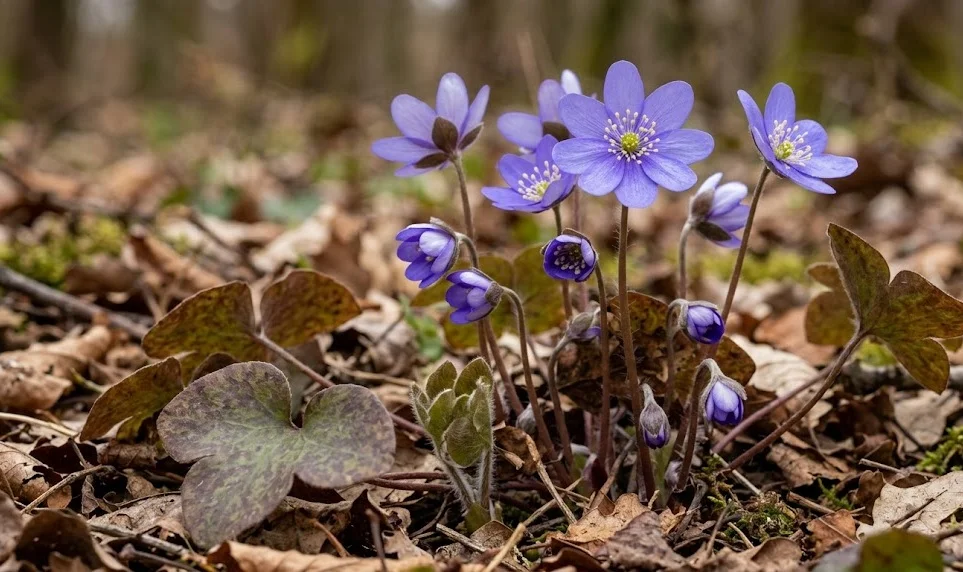

While the common liverwort is not a plant that requires extensive pruning in the traditional sense, a professional approach to trimming is essential for maintaining its health and aesthetic appeal. Strategic removal of dead or damaged tissue prevents the spread of disease and allows the plant to direct its energy toward new growth and flower production. This specialized form of maintenance requires a delicate touch and an understanding of the plant’s unique growth habit and seasonal cycles. Mastering the art of trimming will keep your liverworts looking their best and performing at their peak year after year.
The primary goal of trimming the common liverwort is the removal of the older, tattered foliage that has persisted through the winter months. As the new flower stalks begin to emerge in the spring, the previous year’s leaves can often look unsightly and may even harbor overwintering pests or fungal spores. By carefully removing these old leaves, you create a clean and attractive backdrop that allows the delicate spring flowers to take center stage. This task should be performed with great care to avoid damaging the emerging buds and the sensitive crown of the plant.
Sanitation is of the utmost importance when performing any kind of trimming or pruning in the garden, especially with woodland species that are susceptible to fungal diseases. You should always use sharp, sterilized shears or a small garden knife to ensure that your cuts are clean and heal quickly. Wiping your tools with a disinfectant between plants will prevent the accidental spread of pathogens throughout your entire collection. Professionalism in the garden is as much about the tools and techniques you use as it is about the results you achieve with your plants.
The timing of your trimming activities is critical for ensuring that you do not interfere with the plant’s natural development and energy cycles. The best time to remove the old foliage is typically in late winter or very early spring, just as the first signs of new growth are becoming visible. This allows the plant to benefit from the protection of the old leaves during the coldest part of the winter while ensuring a fresh start for the new season. Avoid heavy trimming during the heat of summer or the late autumn, as this can stress the plant and disrupt its preparation for dormancy.
Trimming should always be a targeted and purposeful activity rather than a general shearing of the entire plant clump. You should examine each leaf and stem individually and only remove those that are dead, diseased, or significantly damaged by weather or pests. This selective approach preserves as much healthy tissue as possible, allowing the plant to continue its vital photosynthetic processes without interruption. A well-trimmed plant should look natural and undisturbed, with its structure and health improved by your subtle interventions.
More articles on this topic
Managing the post-bloom phase and seeds
Once the beautiful spring flowers have faded, you are faced with the decision of whether to remove the spent flower stalks or allow them to develop seeds. From a professional aesthetic standpoint, removing the old flowers can keep the plant looking tidy and prevent it from becoming cluttered with brown, drying stems. This practice, known as deadheading, also redirects the plant’s energy back into the roots and the development of next year’s flower buds. Simply snip the stalks as close to the crown as possible without disturbing the surrounding foliage or the delicate growing point.
If your goal is to naturalize the liverwort and encourage it to spread throughout your garden, you should leave at least some of the seed heads in place. The seeds are often dispersed by ants, which are attracted to a small, nutrient-rich attachment on the seed called an elaiosome. By allowing the natural seeding process to occur, you are supporting the local ecosystem and contributing to the long-term expansion of your plant colony. You can always trim away the empty stalks once the seeds have been dispersed to restore the plant’s clean and tidy appearance.
Regularly inspecting the plant throughout the growing season will help you identify any individual leaves that may have become yellowed or damaged by slugs. Removing these problematic leaves as soon as they are spotted prevents them from becoming a source of infection or an invitation for more pests. This “as-needed” trimming is a key part of maintaining a high-standard display and ensures that your plants always look their best for visitors. It only takes a few moments of your time but can have a significant positive impact on the overall health of your garden.
Trimming can also be used to manage the density of a large, mature clump of liverworts and improve the air circulation within the plant. If the foliage becomes too thick, it can trap moisture and create a humid microclimate that is highly conducive to the development of fungal diseases. By selectively thinning out a few of the inner leaves, you allow more air and light to reach the heart of the plant, promoting a more robust and healthy growth habit. This specialized technique requires a good eye for plant structure and a deep understanding of the species’ needs.
More articles on this topic
Long-term rejuvenation and structural care
As common liverworts age, they can sometimes become a bit sparse in the center or develop an uneven growth habit that detracts from their beauty. While they are not fast-growing plants, a very light rejuvenation trim every few years can help to stimulate new growth from the center of the crown. This involves the careful removal of a small percentage of the older rhizome sections to encourage the plant to produce fresh, vigorous shoots. This is a more advanced technique that should only be attempted on well-established and healthy specimens.
Maintaining the area around the base of the plant is just as important as trimming the plant itself for long-term health and success. You should regularly clear away any encroaching weeds or aggressive groundcovers that might compete with the liverwort for light and nutrients. Keeping the soil surface clean and well-mulched prevents the crown from becoming buried or smothered by debris, which can lead to rot and other health issues. Your trimming and maintenance routine should encompass the entire environment in which the plant grows to be truly effective.
Professional gardening is about understanding the balance between intervention and allowing nature to take its course in a well-managed space. Every cut you make should be justified by a clear benefit to the plant’s health, structural integrity, or aesthetic appeal in the garden. By taking the time to learn the specific needs and responses of the common liverwort, you can develop a trimming routine that is both effective and sustainable. Your patience and attention to detail will be rewarded with healthy, long-lived plants that continue to delight you with their spring blooms.
Finally, always remember that the common liverwort is a slow-growing species that does not recover from aggressive or improper pruning as quickly as some other garden plants. It is always better to be conservative with your shears and only remove what is absolutely necessary for the plant’s wellbeing. Think of your trimming as a form of fine-tuning that enhances the natural beauty and health of the plant rather than a way to force it into a particular shape. With a professional and thoughtful approach, your liverworts will remain a cherished and thriving part of your woodland garden for many years to come.