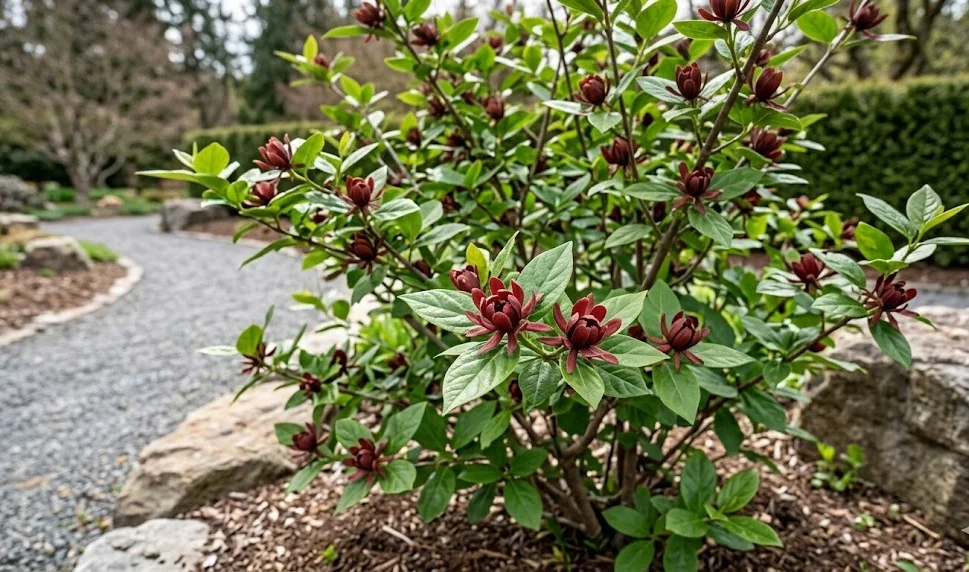

Pruning is a professional technique used to maintain the health, shape, and productivity of the western spicebush over many years. While this shrub has a naturally attractive form, periodic trimming can help prevent it from becoming overly dense or losing its vigor. A thoughtful approach to pruning involves understanding the plant’s growth habit and the timing of its flowering cycle. Done correctly, pruning enhances the aesthetic value of the specimen and encourages a more spectacular display of its unique aromatic blooms.
The best time to perform major pruning on the western spicebush is in the late winter or very early spring before the new growth begins. At this time, the plant is still dormant, and you can clearly see the structure of the branches without the interference of foliage. This allows for more precise cuts and reduces the stress on the plant as it prepares for the upcoming season. Avoid pruning in the late summer or autumn, as this can stimulate new growth that is easily damaged by winter frosts.
Always use high-quality, sharp tools that are appropriate for the size of the branches you are cutting. Bypass pruners are ideal for smaller stems, while loppers or a pruning saw may be necessary for the older, thicker wood. Keeping your tools clean and sterilized is a professional requirement to prevent the transmission of diseases between different plants in your garden. A clean cut also heals much faster and reduces the risk of pests entering the plant through the wounded tissue.
The primary goal of maintenance pruning is to remove the “three Ds”: dead, damaged, or diseased wood. By clearing out these problematic branches, you improve the overall hygiene of the shrub and prevent further issues. You should also look for branches that are crossing or rubbing against each other, as these can create wounds that invite infection. Thinning out the center of the shrub to improve airflow is another professional secret for maintaining a healthy specimen.
Structural pruning and shaping techniques
Structural pruning is used to guide the overall form of the spicebush and ensure it fits well within your garden design. Because the plant is naturally multi-stemmed, you can choose to maintain it as a dense shrub or train it into a more open, small tree-like form. If you want a more formal appearance, you can lightly trim the exterior of the canopy to maintain a rounded shape. However, be careful not to over-prune, as this can lead to a loss of the plant’s natural character and wild beauty.
More articles on this topic
To encourage a fuller and more compact habit, you can use a technique called “heading back.” This involves cutting individual stems back to just above a healthy bud or a lateral branch. This redirects the plant’s energy into the remaining buds, resulting in more branching and a denser canopy of leaves. This is particularly useful for younger plants that may be looking a bit thin or leggy during their first few years in the ground.
Thinning is a different technique that involves removing entire branches back to their point of origin on the main stem or at the ground level. This is the best way to reduce the overall size of a mature shrub without destroying its natural silhouette. Professional thinning allows more light and air to reach the interior of the plant, which is vital for the health of the inner branches. It also makes it much easier to inspect the shrub for pests and diseases that might be hiding in the dense foliage.
Rejuvenation pruning is a more drastic approach used for old, overgrown specimens that have lost their vitality. This involves cutting the entire plant back to within thirty centimeters of the ground during the dormant season. While it may look extreme, the western spicebush is remarkably resilient and will usually respond with a flush of vigorous new growth. This technique can essentially “reset” a plant and provide you with a fresh, healthy shrub within a few growing seasons.
Maintaining the flowering potential
Since the western spicebush flowers on the growth produced during the current season, your pruning timing is critical for a good floral display. Pruning in late winter ensures that you are not removing the wood where the new flower buds will form in the spring. If you prune too late in the season, you may inadvertently cut off the developing blossoms and ruin the year’s display. Professional gardeners always keep the flowering cycle of their plants in mind before they pick up their tools.
More articles on this topic
After the initial spring bloom, you can perform a light “deadheading” by removing the spent flowers. While this is not strictly necessary for the health of the plant, it can help maintain a neater appearance and prevent the shrub from spending energy on seed production. In some cases, a light summer trim can also encourage a smaller, secondary flush of flowers later in the season. This refined approach to maintenance keeps the plant looking its best for the maximum amount of time each year.
Be sure to leave some of the older, productive wood each year to provide structural support for the new, flowering shoots. A professional balance between old and new growth is the key to a shrub that is both strong and beautiful. If you remove all of the old wood at once, the plant may become too floppy and unable to support the weight of its own leaves. Consistent, annual maintenance is always better than waiting several years and then performing heavy, stressful pruning.
Finally, always step back and look at the entire plant from several different angles as you work. Pruning is as much an art as it is a science, and the visual balance of the shrub is just as important as its biological health. Take your time and make small, thoughtful cuts rather than large, impulsive ones. Your professional patience will be rewarded with a western spicebush that is the true pride of your garden or agricultural collection.